Harriet Ritvo provides a picture of how animals figured in English thinking during the 19th century and, by extension, how they served as metaphors for human psychological needs and sociopolitical aspirations.
Harriet Ritvo provides a picture of how animals figured in English thinking during the 19th century and, by extension, how they served as metaphors fo...
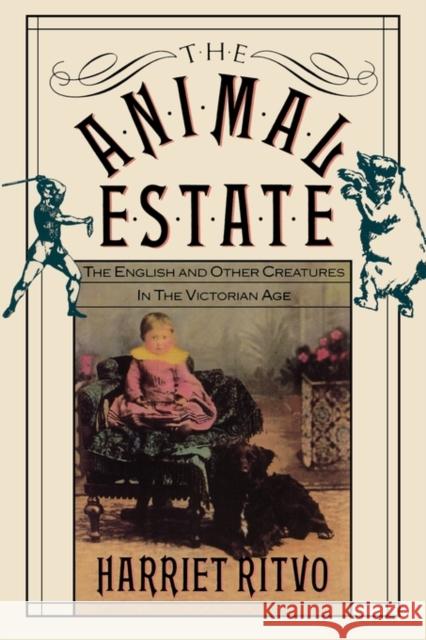
"Cats is 'dogs, ' and rabbits is 'dogs, ' and so's parrots; but this ere 'tortis' is a insect," a porter explains to an astonished traveler in a nineteenth-century Punch cartoon. Railways were not the only British institution to schematize the world. This enormously entertaining book captures the fervor of the Victorian age for classifying and categorizing every new specimen, plant or animal, that British explorers and soldiers and sailors brought home. As she depicts a whole complex of competing groups deploying rival schemes and nomenclatures, Harriet Ritvo shows us a society...
"Cats is 'dogs, ' and rabbits is 'dogs, ' and so's parrots; but this ere 'tortis' is a insect," a porter explains to an astonished traveler in a ni...
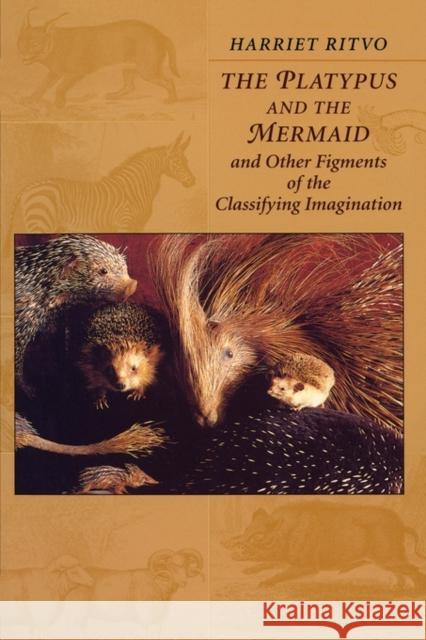
Over the past two decades, Harriet Ritvo has established herself as a leading scholar in animal studies and one of those most responsible for establishing this field of study as a crucial part of environmental and social history. Her two well-known books, The Platypus and the Mermaid and The Animal Estate, did much to introduce and illuminate the importance of nonhuman animals to the study of human culture. Hunting and husbandry, as well as petkeeping and zoo-going, forge powerful connections between animal lives and those of humans: in fact, animals have helped define what a human is....
Over the past two decades, Harriet Ritvo has established herself as a leading scholar in animal studies and one of those most responsible for estab...
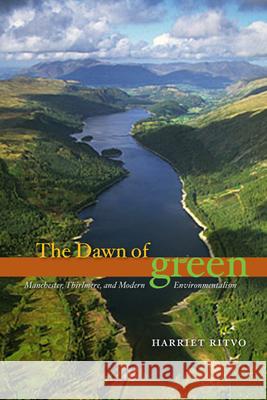
Located in the heart of England s Lake District, the placid waters of Thirlmere seem to be the embodiment of pastoral beauty. But under their calm surface lurks the legacy of a nineteenth-century conflict that pitted industrial progress against natural conservation and helped launch the environmental movement as we know it. Purchased by the city of Manchester in the 1870s, Thirlmere was dammed and converted into a reservoir, its water piped one hundred miles south to the burgeoning industrial city and its workforce. This feat of civil engineering and of natural resource diversion inspired one...
Located in the heart of England s Lake District, the placid waters of Thirlmere seem to be the embodiment of pastoral beauty. But under their calm sur...