This volume of The Collected Papers of Albert Einstein presents Einstein's writings for the two-year period starting in October 1909. The initial date marks Einstein's departure from the Swiss Patent Office at Bern, which had been his professional home for seven years, and the beginning of his first academic appointment, at the University of Zurich. The volume concludes with the masterful report that Einstein, by then a full professor at the German-language university in Prague, gave to the original Solvay Congress, the first international meeting devoted to the problems of radiation and...
This volume of The Collected Papers of Albert Einstein presents Einstein's writings for the two-year period starting in October 1909. The initial d...
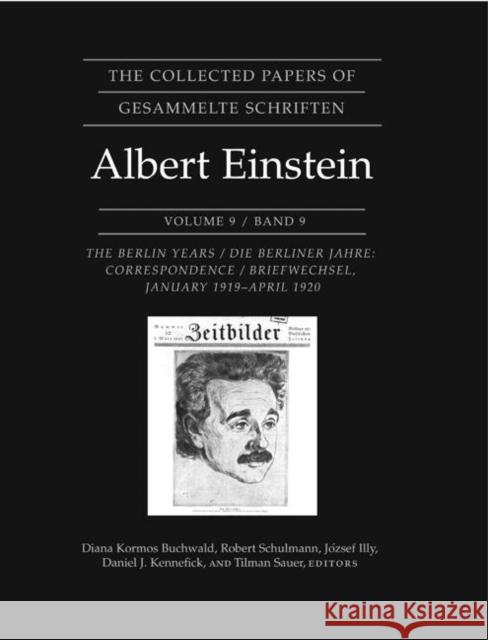
The present volume, set in the turbulent post-World War I period, finds Einstein awaiting news of the 1919 British eclipse expedition to test the general relativistic prediction of the deflection of starlight by the sun. With the expedition's success, he becomes the first science celebrity of our age. Deeply interested in the other, stellar redshift test of his theory, Einstein supports astronomers engaged in experimental work on the issue. Piqued by early suggestions of a unified field theory, he ponders how to unify gravitation and electromagnetic field theory and also works to resolve...
The present volume, set in the turbulent post-World War I period, finds Einstein awaiting news of the 1919 British eclipse expedition to test the g...
The present volume, set in the turbulent post-World War I period, finds Einstein awaiting news of the 1919 British eclipse expedition to test the general relativistic prediction of the deflection of starlight by the sun. With the expedition's success, he becomes the first science celebrity of our age. Deeply interested in the other, stellar redshift test of his theory, Einstein supports astronomers engaged in experimental work on the issue. Piqued by early suggestions of a unified field theory, he ponders how to unify gravitation and electromagnetic field theory and also works to resolve...
The present volume, set in the turbulent post-World War I period, finds Einstein awaiting news of the 1919 British eclipse expedition to test the g...
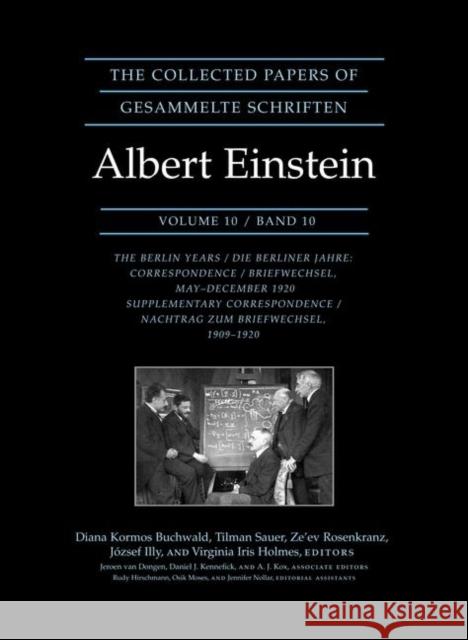
The first half of this volume presents a substantial amount of heretofore unavailable correspondence. From among family letters closed for twenty years after the death of Margot Einstein, who donated them to the Albert Einstein Archives in Jerusalem, the volume presents, for the first time, letters written by Einstein's sons, the adolescent Hans Albert and little Eduard, and numerous letters written by Einstein to his cousin and future second wife Elsa Einstein. Combined with newly available correspondence with his close friend Heinrich Zangger, this supplementary correspondence provides...
The first half of this volume presents a substantial amount of heretofore unavailable correspondence. From among family letters closed for twenty y...
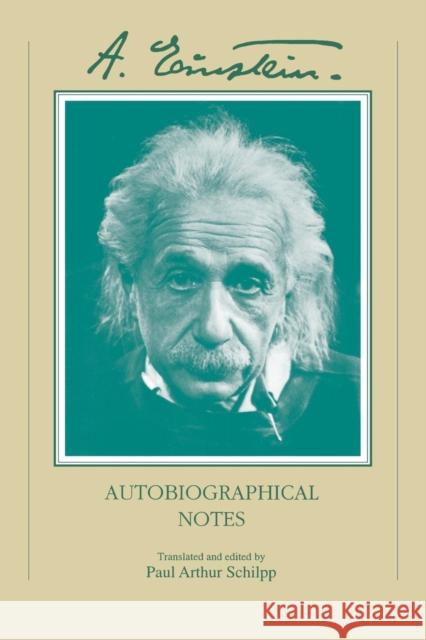
Delivered with warmth, clarity, and humor, this brief work is the closest Einstein ever came to writing an autobiography. Although a very personal account, it is concerned solely with the development of his ideas, saying little about his private life or about the world-shaking events through which he lived. Includes parallel German and English texts.
Delivered with warmth, clarity, and humor, this brief work is the closest Einstein ever came to writing an autobiography. Although a very personal acc...
This introduction to socialist thought is by two men perhaps better qualified than any other Americans to have written it. Leo Huberman and Paul Sweezy, founding editors and publishers of the independent socialist magazine Monthly Review, built an impressive reputation as keen observers, acute analysts, and lucid writers on the world and domestic scenes. In this book, they present in clear and direct language the basic elements of the socialist critique of capitalist society.
This introduction to socialist thought is by two men perhaps better qualified than any other Americans to have written it. Leo Huberman and Paul Sweez...
Albert Einstein Paul A. Schlipp Paul Arthur Schilpp
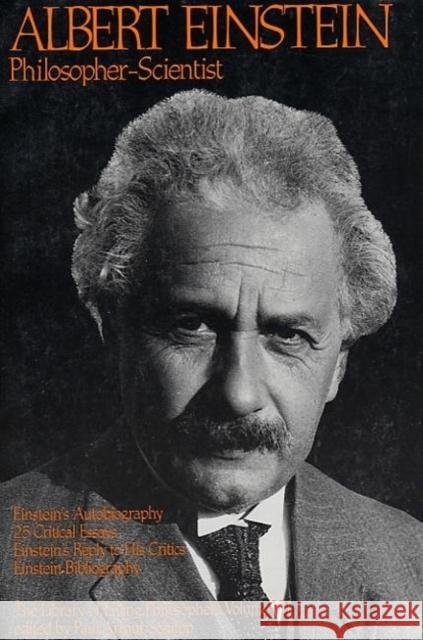
Written by the man considered the "Person of the Century" by Time magazine, this is not a glimpse into Einstein's personal life, but an extension and elaboration into his thinking on science. Two of the great theories of the physical world were created in the early 20th century: the theory of relativity and quantum mechanics. Einstein created the theory of relativity and was also one of the founders of quantum theory. Here, Einstein describes the failure of classical mechanics and the rise of the electromagnetic field, the theory of relativity, and of the quanta. Written in German by...
Written by the man considered the "Person of the Century" by Time magazine, this is not a glimpse into Einstein's personal life, but an extension and ...
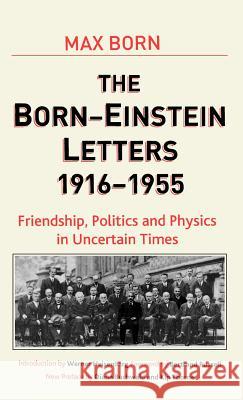
A classic collection of correspondence between two Nobel Prize winners, The Born-Einstein Letters, is also highly topical: scientists continue to struggle with quantum physics, their role in wartime and the public's misunderstanding.
A classic collection of correspondence between two Nobel Prize winners, The Born-Einstein Letters, is also highly topical: scientists continue to stru...