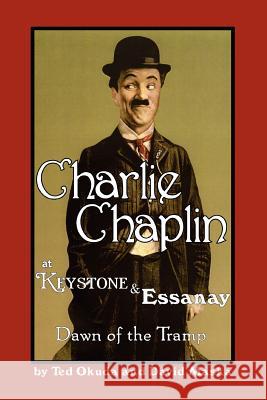
Charlie Chaplin is universally hailed as the greatest comedic talent in the history of motion pictures. And yet Chaplin's early efforts-which account for more than half of his total output-are often overlooked in favor of his later films. In 1914 Chaplin appeared in a total of 35 films for the Keystone Film Company; the following year he signed with the Essanay Film Manufacturing Company, where he wrote, directed and starred in more than a dozen short comedies. Though the resulting pictures were frequently crude and erratic, they reveal the emergence of a formidable comic genius. "Charlie...
Charlie Chaplin is universally hailed as the greatest comedic talent in the history of motion pictures. And yet Chaplin's early efforts-which account ...
"Soundies" were the granddaddies of music videos: single-song musical movies that played in special jukeboxes during the 1940s. Some of the biggest musical stars (and stars of the future) appeared in these films: Louis Armstrong, Spike Jones, Liberace, Fats Waller, Stan Kenton, Cab Calloway, and many others. Thanks to Soundies, hundreds of unique musical performances were photographed for posterity. These mini-musicals were originally nothing more than a ten-cent novelty. Today, to film and music fans, they're a priceless part of history. Scott MacGillivray and Ted Okuda, authors of the...
"Soundies" were the granddaddies of music videos: single-song musical movies that played in special jukeboxes during the 1940s. Some of the biggest mu...
"Soundies" were the granddaddies of music videos: single-song musical movies that played in special jukeboxes during the 1940s. Some of the biggest musical stars (and stars of the future) appeared in these films: Louis Armstrong, Spike Jones, Liberace, Fats Waller, Stan Kenton, Cab Calloway, and many others. Thanks to Soundies, hundreds of unique musical performances were photographed for posterity. These mini-musicals were originally nothing more than a ten-cent novelty. Today, to film and music fans, they're a priceless part of history. Scott MacGillivray and Ted Okuda, authors of the...
"Soundies" were the granddaddies of music videos: single-song musical movies that played in special jukeboxes during the 1940s. Some of the biggest mu...
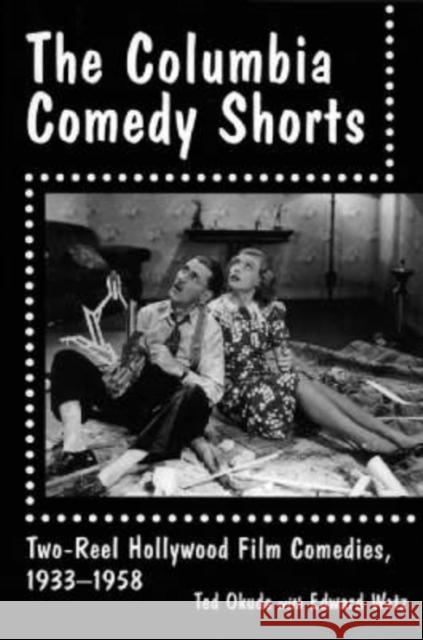
Columbia produced over 500 two-reel shorts from 1933 through 1958, with Hollywood's finest comics (the Three Stooges, Andy Clyde, Buster Keaton, Harry Langdon, Charley Chase, others). Fully illustrated with never-before-published photographs, the book chronicles the history of all, including interviews with the veterans. The filmography covers all of the 526 two-reelers: credits, date, synopsis.
Columbia produced over 500 two-reel shorts from 1933 through 1958, with Hollywood's finest comics (the Three Stooges, Andy Clyde, Buster Keaton, Harry...
Monogram Pictures Corporation, one of several famed "poverty row" studios, produced over 700 feature films--cheap, often inept, frequently forgettable, but so inexpensive profit was unavoidable. The Bowery Boys and Charlie Chan series were extremely popular. This, the first such reference book, corrects errors in other sources while giving movie titles, casts, credits, plot synopses, running times, release dates, alternate and remake titles.
Monogram Pictures Corporation, one of several famed "poverty row" studios, produced over 700 feature films--cheap, often inept, frequently forgettable...
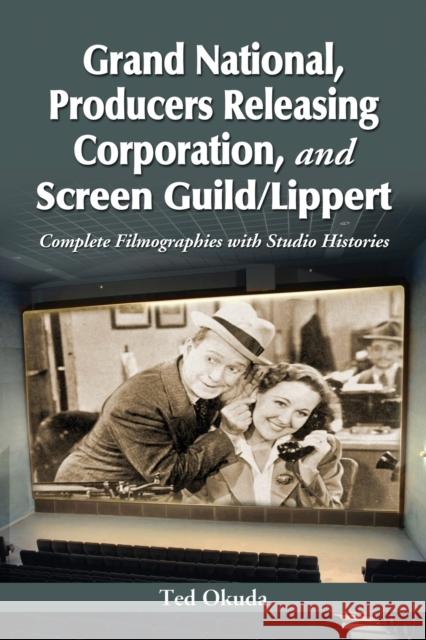
Throughout the 1930s, 40s and 50s, several independent film production companies (referred to a poverty row studios) turned out hundreds of B movies--low-budget feature films that were specifically designed to play the bottom half of the double bills. This handy reference focuses on the output of three of these independents--Grand National (1936-1939), Producers Releasing Corporation (1939-1948), and Screen Guild/Lippert (1945-1955).
Throughout the 1930s, 40s and 50s, several independent film production companies (referred to a poverty row studios) turned out hundreds of B movies--...
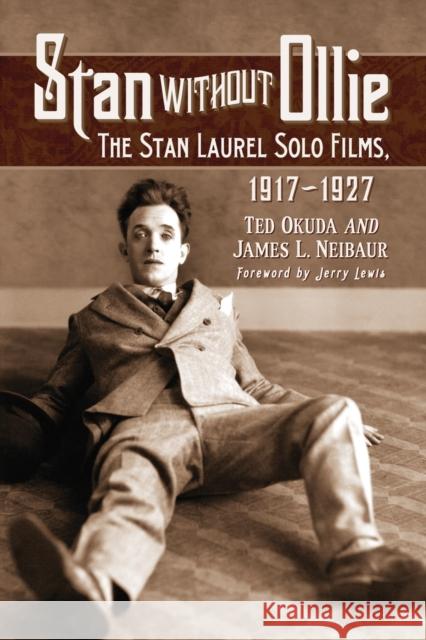
Long before his momentous teaming with Oliver Hardy, comedian Stan Laurel (1890-1965) was a motion picture star in his own right. From his film debut in Nuts in May (1917) through his final solo starring effort Should Tall Men Marry? (1928), Laurel headlined dozens of short comedies for a variety of producers and production companies, often playing characters far removed from the meek, dimwitted "Stanley" persona that we know and love. This is a film-by-film look at the pictures Stan made as a solo artist, as well as those he wrote and directed for other stars, shows his...
Long before his momentous teaming with Oliver Hardy, comedian Stan Laurel (1890-1965) was a motion picture star in his own right. From his film debut ...
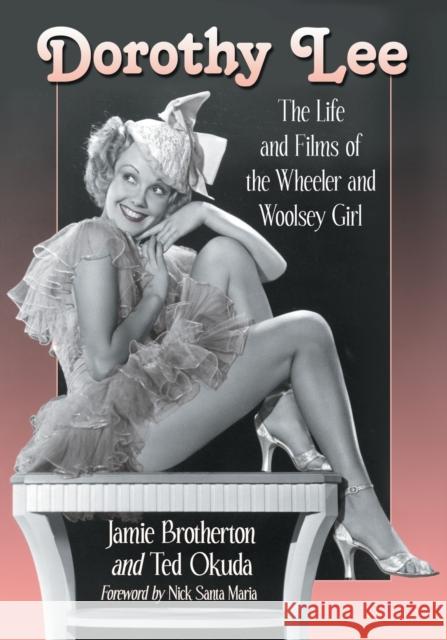
Dorothy Lee is best remembered for her screen appearances with the popular comedy team of Bert Wheeler and Robert Woolsey. Based on years of conversations between the authors and their subject, this book is an informative biography filled with revealing insights on navigating the studio system during Hollywood's Golden Age and the ephemeral nature of fame.
Dorothy Lee is best remembered for her screen appearances with the popular comedy team of Bert Wheeler and Robert Woolsey. Based on years of conversat...
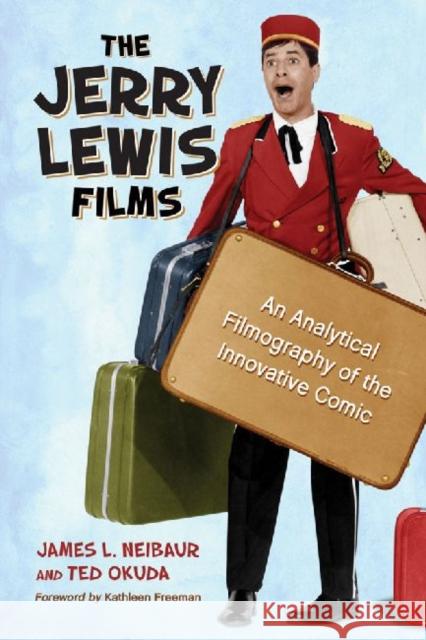
Using interviews with Jerry Lewis and many of his co-stars, this book analyzes his collaborative efforts with Dean Martin, his subsequent solo work, his writing and directorial careers, and more recent movies such as Hardly Working (1979) and The King of Comedy (1982). Comprehensive filmographic data are provided for each of the films, with cast and production credits, studio, release date, and running time. Lewis's own reflections on his work are included for many of the entries.
Using interviews with Jerry Lewis and many of his co-stars, this book analyzes his collaborative efforts with Dean Martin, his subsequent solo work, h...
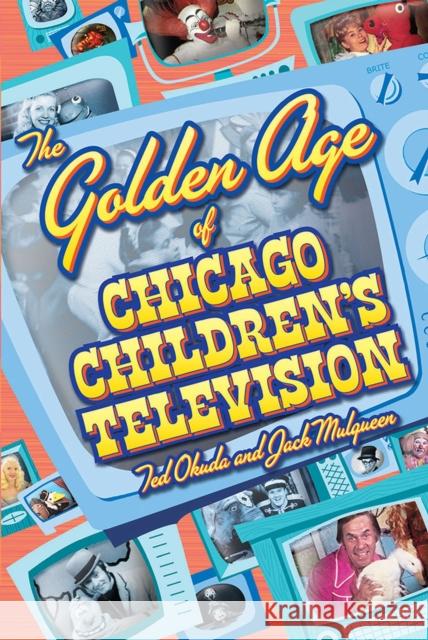
At one time every station in Chicago a maximum of five, until 1964 produced or aired some programming for children. From the late 1940 s through the early 1970 s, local television stations created a golden age of children s television unique in American broadcasting. Though the shows often operated under strict budgetary constraints, these programs were rich in imagination, inventiveness, and devoted fans. Now, discover the back stories and details of this special era from the people who created, lived, and enjoyed it producers, on-air personalities, and fans. "
At one time every station in Chicago a maximum of five, until 1964 produced or aired some programming for children. From the late 1940 s through the e...