Using a format closely resembling a legislative history, Ronald Garay traces the progress of congressional television from its inception in 1922, when the first resolution seeking approval to broadcast House floor proceedings was introduced, to 1979, when legislation allowing that coverage was finally passed. Garay presents the major arguments that have been voiced, both inside and outside Congress, in support of or in opposition to televising congressional proceedings. He places the controversial congressional hearings of the 1950s, the Senate Watergate hearings, House Judiciary Committee...
Using a format closely resembling a legislative history, Ronald Garay traces the progress of congressional television from its inception in 1922, w...
Students and others interested in radio history will be intrigued by this fast-paced biography of Gordon McLendon's career in the radio industry, touching also on his work in motion pictures and involvement in Texas politics.
Following a glimpse into his childhood, education, and military career, Ronald Garay describes McLendon's station ownership and management in Palestine, Texas; the development of a major network, the Liberty Broadcasting System; his live and recreated baseball and football programs; and his skirmishes with the major league baseball establishment. Much attention is...
Students and others interested in radio history will be intrigued by this fast-paced biography of Gordon McLendon's career in the radio industry, t...
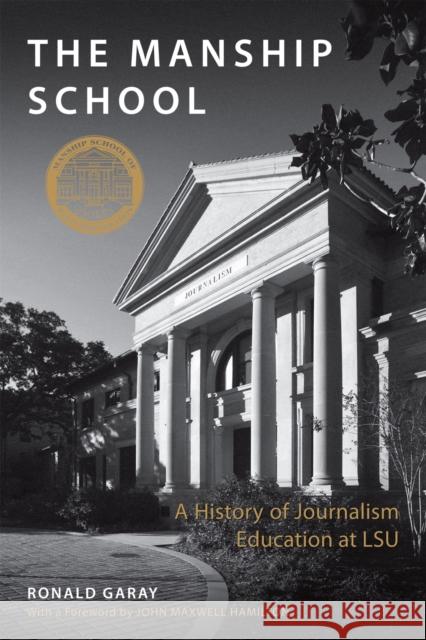
In September 2005, just days after Hurricane Katrina devastated New Orleans, journalists from the Times-Picayune and WWL-TV asked for and received assistance from LSU's Manship School of Mass Communication. The staff of the Times-Picayune used the School's computer labs to publish an online edition of the paper within hours of their arrival and a print edition just five days after the storm. WWL-TV reporters set up shop in the School's television facility and were on the air a few hours later, telling Katrina's story. What happened at the Manship School during that September week affirmed...
In September 2005, just days after Hurricane Katrina devastated New Orleans, journalists from the Times-Picayune and WWL-TV asked for and received ...
An excellent extended bibliographic essay, this volume also contains excellent prose introductions at the start of each chapter that provide background on the business of cable, the content of the programming, cable law and regulations, and videotex developments. . . . Current through 1987, this work will remain valuable as a snapshot of the cable industry even when future developments pass it by. . . . A fine scholarly treatment of the cable field, recommended for libraries at all levels. "Choice"
The practical and theoretical issues that cable television has posed for the public and...
An excellent extended bibliographic essay, this volume also contains excellent prose introductions at the start of each chapter that provide backgr...
This book is well written and meticulously documented; it will add significantly to the available literature on West Virginia s industrial and community history. It should find a receptive audience among college and post- graduate scholars of industrial and labor history, West Virginia history, and Appalachian studies. John Lilly, editor, Goldenseal The company owned the houses. It owned the stores. It provided medical and governmental services. It provided practically all the jobs. Gary, West Virginia, a coal mining town in the southern part of the state, was a creation of...
This book is well written and meticulously documented; it will add significantly to the available literature on West Virginia s industrial and com...