Edward P. Dozier was the first American Indian to establish a career as an academic anthropologist. In doing so, he faced a double paradox--academic and cultural. The notion of objectivity that governed academic anthropology at the time dictated that researchers be impartial outsiders. Scientific knowledge was considered unbiased, impersonal, and public. In contrast, Dozier's Pueblo Indian culture regarded knowledge as privileged, personal, and gendered. Ceremonial knowledge was protected by secrecy and was never intended to be made public, either within or outside of the community. As an...
Edward P. Dozier was the first American Indian to establish a career as an academic anthropologist. In doing so, he faced a double paradox--academic a...
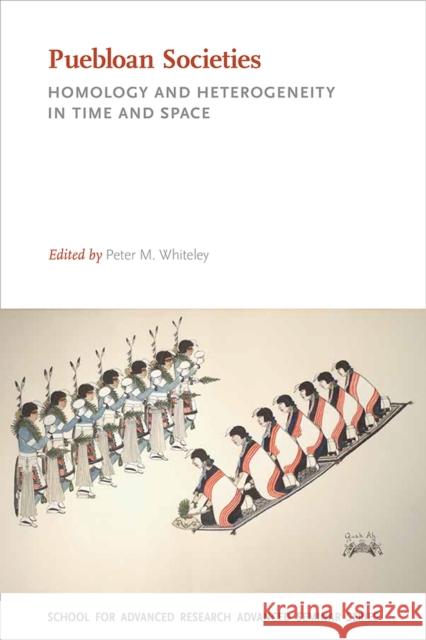
Puebloan sociocultural formations of the past and present are the subject of the essays collected in this volume. The contributors draw upon the insights of archaeology, ethnology, and linguistic anthropology to examine social history and practice, including kinship groups, ritual sodalities, architectural forms, economic exchange, environmental adaptation, and political order.
Puebloan sociocultural formations of the past and present are the subject of the essays collected in this volume. The contributors draw upon the insig...