The work of Eugen Ehrlich (1862-1922) is directly relevant for an understanding of law in society and of the role of sociology of law. Today, it is possible to see behind the smokescreen of historical debates and to assess Ehrlich's key ideas in the light of today's problems. The coexistence of state and local law still challenges lawyers and decision-makers. Ehrlich suggests sociology of law as an instrument to address social and legal problems that supplements standard legal methodology. The articles in this book place Eugen Ehrlich in the context of his times, outline the international...
The work of Eugen Ehrlich (1862-1922) is directly relevant for an understanding of law in society and of the role of sociology of law. Today, it is po...
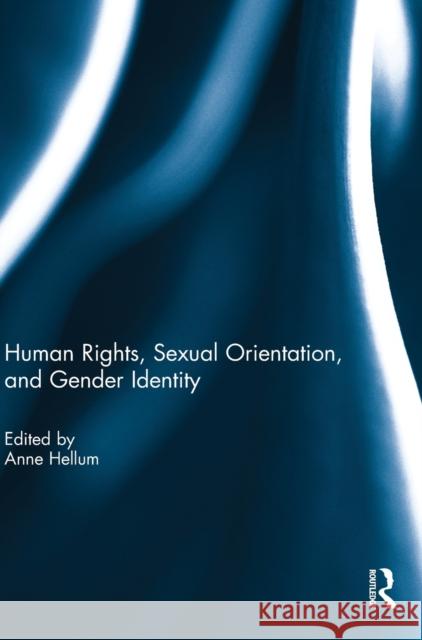
How human rights principles, like the right to gender identity, freedom, integrity and equality, respond to the concerns of different groups of adults and children who experience gender harm due to the binary conception of sexuality and gender identity is the overall theme of this book. The Yogyakarta Principles on the Application of International Human Rights Law in Relation to Sexual Orientation and Gender Identity are analysed in the light of the dynamic jurisprudence of different human rights treaty bodies. Whether and how the status quo of gender duality is reproduced, in spite of...
How human rights principles, like the right to gender identity, freedom, integrity and equality, respond to the concerns of different groups of adu...