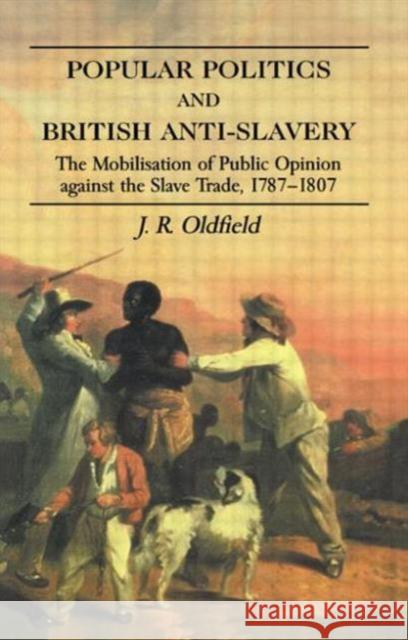
In 1792, 400,000 people put their signature to petitions calling for the abolition of the slave trade. This work explains how this remarkable expression of support for black people was organized and orchestrated, and how it contributed to the growth of popular politics in Britain.
In 1792, 400,000 people put their signature to petitions calling for the abolition of the slave trade. This work explains how this remarkable expressi...
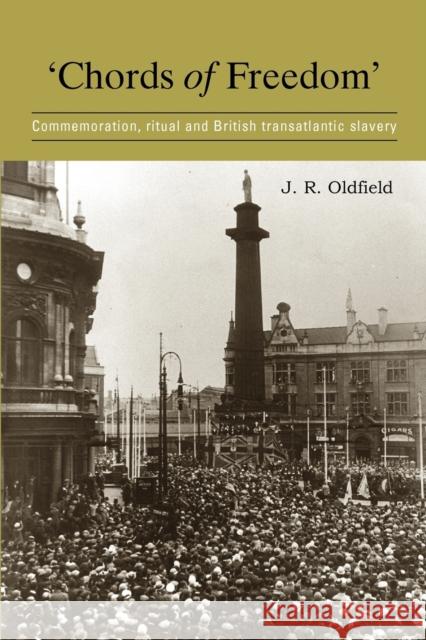
How should we as Britons remember transatlantic slavery? How has slavery been remembered in the past? 'Chords of freedom' sets out to answer these questions and, in doing so, traces the way in which British transatlantic slavery has been absorbed into the nation's collective memory. By combining two current historiographical preoccupations - the construction of public memory and British transatlantic slavery - this fascinating book focuses on the way in which the British traditionally have been taught to view transatlantic slavery through the moral triumph of abolition. The author traces the...
How should we as Britons remember transatlantic slavery? How has slavery been remembered in the past? 'Chords of freedom' sets out to answer these que...
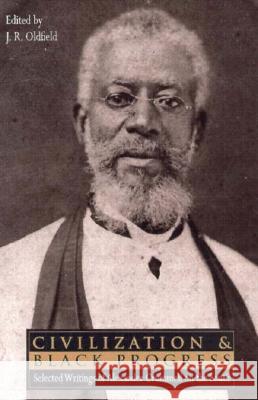
Founder of the American Negro Academy, Alexander Crummell (1819-1898) played a pivotal role in later nineteenth-century debates over race and black intellect. Yet compared with the work of Du Bois and Washington, his speeches and publications have remained relatively inaccessible until now. Here are eighteen texts, along with a thorough biography and valuable source list. As this collection makes clear, Crummell's writings speak of a transitional figure who bridged two radically different worlds separated by the bloodshed and upheaval of the Civil War.
Founder of the American Negro Academy, Alexander Crummell (1819-1898) played a pivotal role in later nineteenth-century debates over race and black...