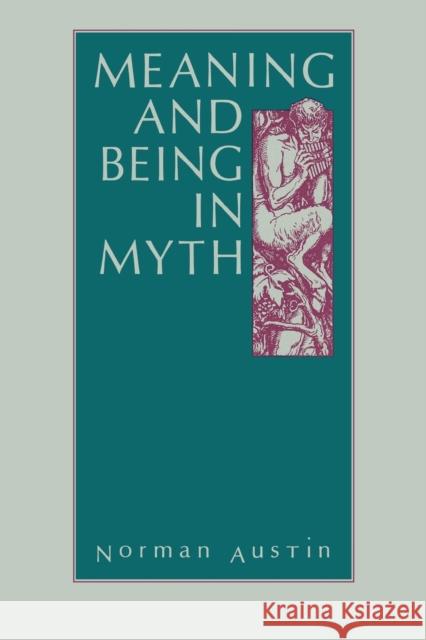
Norman Austin has organized his analysis of classical Greek myths around Lacan's dichotomy between (ineffable) Being and the meanings imposed upon Being by culturally determined signifiers. The primary signifiers in myth (the gods), as projections of contradictory meanings, impel human consciousness in contradictory directions: toward heroic self-realization, on the one hand, and into the fear, guilt, and despair resulting from failure, on the other. The gods both reveal and occlude that which they signify--the signified; ultimately, Being itself.
Austin includes one chapter on the...
Norman Austin has organized his analysis of classical Greek myths around Lacan's dichotomy between (ineffable) Being and the meanings imposed upon ...
Like the male heroes of epic poetry, Helen of Troy has been immortalized, but not for deeds of strength and honor; she is remembered as the beautiful woman who disgraced herself and betrayed her family and state. Norman Austin here surveys...
Like the male heroes of epic poetry, Helen of Troy has been immortalized, but not for deeds of strength and honor; she is remembered as the beautiful ...
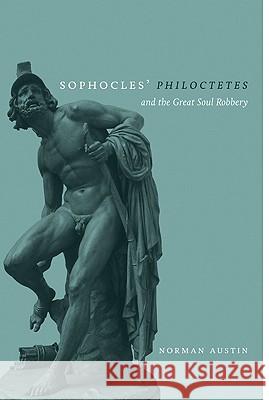
Norman Austin brings both keen insight and a life-long engagement with his subject to this study of Sophocles late tragedy Philoctetes, a fifth-century BCE play adapted from an infamous incident during the Trojan War. In Sophocles Philoctetes and the Great Soul Robbery, Austin examines the rich layers of text as well as context, situating the play within the historical and political milieu of the eclipse of Athenian power. He presents a study at once of interest to the classical scholar and accessible to the general reader. Though the play, written near the end of Sophocles...
Norman Austin brings both keen insight and a life-long engagement with his subject to this study of Sophocles late tragedy Philoctetes, a fi...