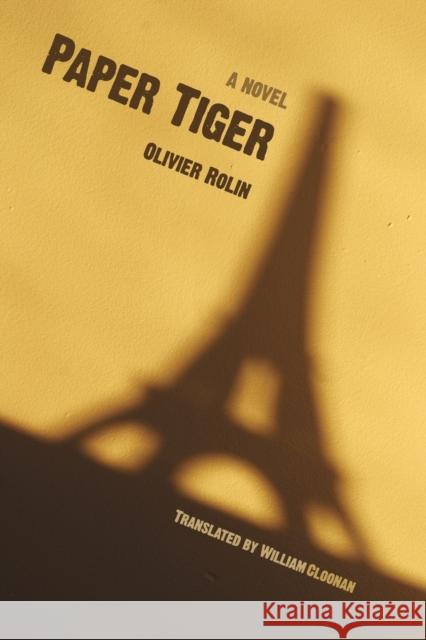
Their generation was anything but lost, at least in the beginning. Filled with fiery ambition and idealistic to a fault, they found their voice in the Paris of 1968 and were intent on exposing the powers of repression and the demons of Western capitalism (and what, really, was the difference?)-by any means. But the acts of violence misfired, the principles of Marxism and Maoism became emptied of meaning, and the casualties mounted. The protagonist Martin is now middle-aged; his group, "The Cause," is disbanded; his best friend has committed suicide; and he finds he must try to explain to the...
Their generation was anything but lost, at least in the beginning. Filled with fiery ambition and idealistic to a fault, they found their voice in the...
"All 20th-century literature specialists, particularly those in French, German, and English literatures, will find Cloonan's study eminently relevant. . . . Well-documented, very informative, quite insightful, and even entertaining "--Pierre Verdaguer, University of Maryland
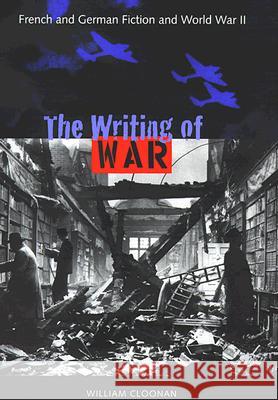
In a major reevaluation of how World War II affected the writing of literature in France and Germany, William Cloonan argues that many established writers (Thomas Mann, Ernst Junger, Albert Camus, Jean-Paul Sartre) were unsuccessful in their attempts to write about the war precisely because they refused to...
"All 20th-century literature specialists, particularly those in French, German, and English literatures, will find Cloonan's study eminently releva...