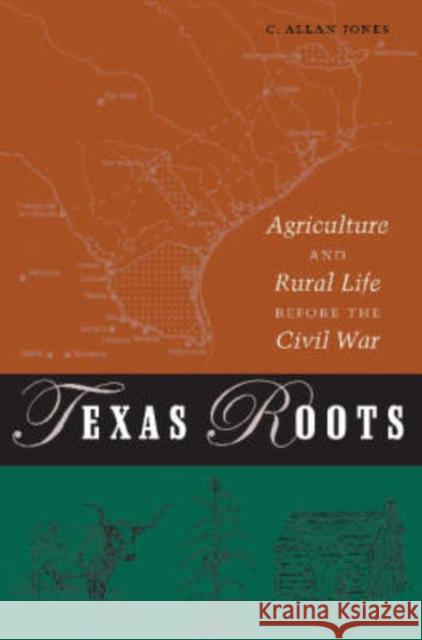
In today's Texas, with its growing urban populations and big-city lifestyles, it is worth remembering that in 1850 only 10 percent of Texans lived in towns with as many as 100 people. The rest--of many ethnic and racial groups--lived off the land, which was blessedly suited to a profitable variety of crops and livestock and also provided an abundance of wildlife free for the taking. In "Texas Roots," C. Allan Jones reminds us that the economic wealth of modern Texas arose from its agricultural heritage, a rich mixture of practices and traditions including: - Caddo hunting, gathering,...
In today's Texas, with its growing urban populations and big-city lifestyles, it is worth remembering that in 1850 only 10 percent of Texans lived in ...
In today's Texas, with its growing urban populations and big-city lifestyles, it is worth remembering that in 1850 only 10 percent of Texans lived in towns with as many as 100 people. The rest--of many ethnic and racial groups--lived off the land, which was blessedly suited to a profitable variety of crops and livestock and also provided an abundance of wildlife free for the taking. In Texas Roots, C. Allan Jones reminds us that the economic wealth of modern Texas arose from its agricultural heritage, a rich mixture of practices and traditions including: - Caddo hunting,...
In today's Texas, with its growing urban populations and big-city lifestyles, it is worth remembering that in 1850 only 10 percent of Texans lived in ...
As more and more people seek locally grown food, independent family owned and operated agriculture has expanded, creating local networks for selling and buying produce, meat, and dairy products and reviving local agricultural economies throughout the United States. Pamela Walker and Linda Walsh portray eleven farming and ranch families who are part of this food revival in Texas.
As more and more people seek locally grown food, independent family owned and operated agriculture has expanded, creating local networks for selling a...
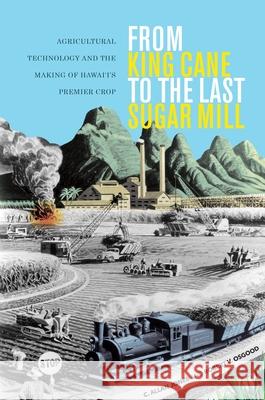
From King Cane to the Last Sugar Mill focuses on the technological and scientific advances that allowed Hawai'i's sugar industry to become a world leader and Hawaiian Commercial & Sugar Company (HC&S) to survive into the twenty-first century. The authors, both agricultural scientists, offer a detailed history of the industry and its contributions, balanced with discussion of the enormous societal and environmental changes due to its aggressive search for labor, land, and water.
Sugarcane cultivation in Hawai'i began with the arrival of Polynesian settlers, expanded into a commercial...
From King Cane to the Last Sugar Mill focuses on the technological and scientific advances that allowed Hawai'i's sugar industry to become a world ...