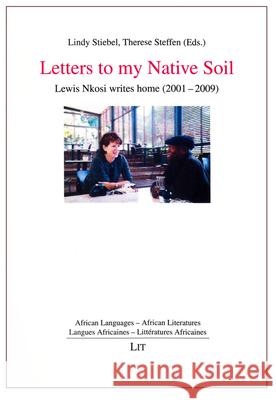
Lewis Nkosi's influence as both a South African writer and critic has been profound. His significance stems from the fact that he was one of the very few surviving members of the Drum generation of writers of the 1950s; one who continued to write throughout the apartheid and post-apartheid decades. As an author of plays, critical essays, and novels, Nkosi's voice is preserved in Letters to My Native Soil, which collects correspondence between the writer and others, and provides a valuable insight into a working writer's life in Europe and at home. The book is illustrated with personal...
Lewis Nkosi's influence as both a South African writer and critic has been profound. His significance stems from the fact that he was one of the very ...
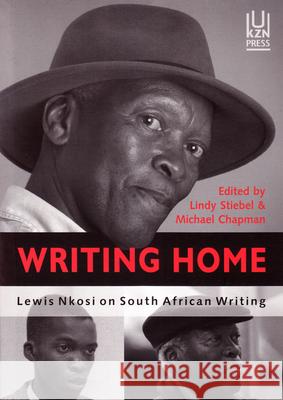
Lewis Nkosi's insights into South African literature, culture and society first appeared in the 1950s, when the 'new' urban African in Sophiatown and on 'Drum' magazine mockingly opposed then Prime Minister H.F. Verwoerd's Bantu retribalisation policies. Before his death in 2010, Nkosi focused on the literary-cultural challenges of post-Mandela times. Having lived for 40 years in exile, he returned to South Africa, intermittently, after the unbannings of 1990. His critical eye, however, never for long left the home scene. Hence, the title of this selection of his articles, essays and reviews,...
Lewis Nkosi's insights into South African literature, culture and society first appeared in the 1950s, when the 'new' urban African in Sophiatown and ...