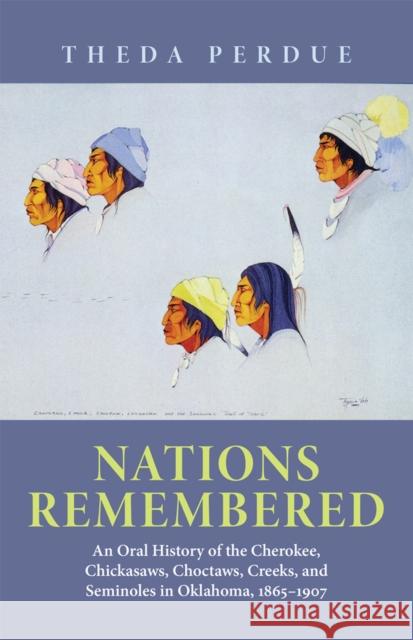
The five largest southeastern Indian groups-the Cherokees, Chickasaws, Choctaws, Creeks, and Seminoles-were forced to emigrate west to the Indian territory (now Oklahoma) in the 1830s. Here, from WPA interviews are those Indians' own stories of the troubled years between the Civil War and Oklahoma statehood-a period of extraordinary turmoil.
During this period, Oklahoma Indians functioned autonomously, holding their own elections, enforcing their own laws, and creating their own society from a mixture of old Indian customs and the new ways of the whites. The WPA informants describe the...
The five largest southeastern Indian groups-the Cherokees, Chickasaws, Choctaws, Creeks, and Seminoles-were forced to emigrate west to the Indian t...
This volume collects most of the writings published by the accomplished Cherokee leader Elias Boudinot (1804?-1839). Founding editor of the "Cherokee Phoenix," Boudinot is the most ambiguous and puzzling figure in Cherokee history. Although he first struggled against the removal of his people from their native Southeast, Boudinot later reversed his position and signed the Treaty of New Echota, an action that cost him his life.
Together with Theda Perdue's biographical introduction and in-depth annotations, these letters, articles, pamphlets, and editorials document the stages of...
This volume collects most of the writings published by the accomplished Cherokee leader Elias Boudinot (1804?-1839). Founding editor of the "Cherok...
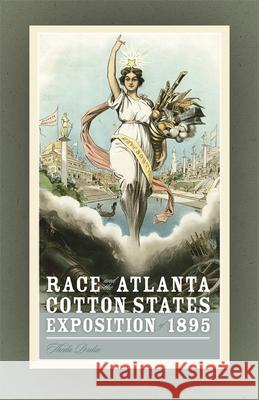
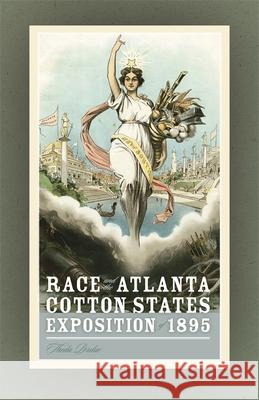
The Cotton States Exposition of 1895 was a world's fair in Atlanta held to stimulate foreign and domestic trade for a region in an economic depression. Theda Perdue uses the exposition to examine the competing agendas of white supremacist organizers and the peoples of color who participated.
White organizers had to demonstrate that the South had solved its race problem in order to attract business and capital. As a result, the exposition became a venue for a performance of race that formalized the segregation of African Americans, the banishment of Native Americans, and the incorporation...
The Cotton States Exposition of 1895 was a world's fair in Atlanta held to stimulate foreign and domestic trade for a region in an economic depress...
The Cotton States Exposition of 1895 was a world's fair in Atlanta held to stimulate foreign and domestic trade for a region in an economic depression. Theda Perdue uses the exposition to examine the competing agendas of white supremacist organizers and the peoples of color who participated.
White organizers had to demonstrate that the South had solved its race problem in order to attract business and capital. As a result, the exposition became a venue for a performance of race that formalized the segregation of African Americans, the banishment of Native Americans, and the incorporation...
The Cotton States Exposition of 1895 was a world's fair in Atlanta held to stimulate foreign and domestic trade for a region in an economic depress...