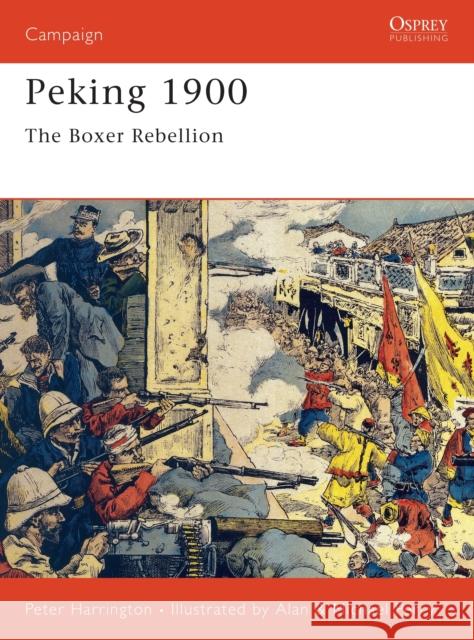
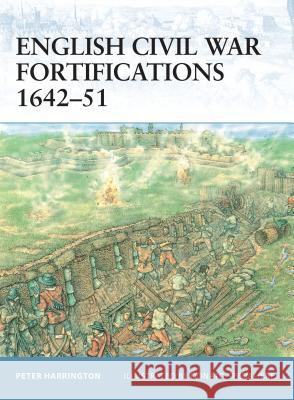
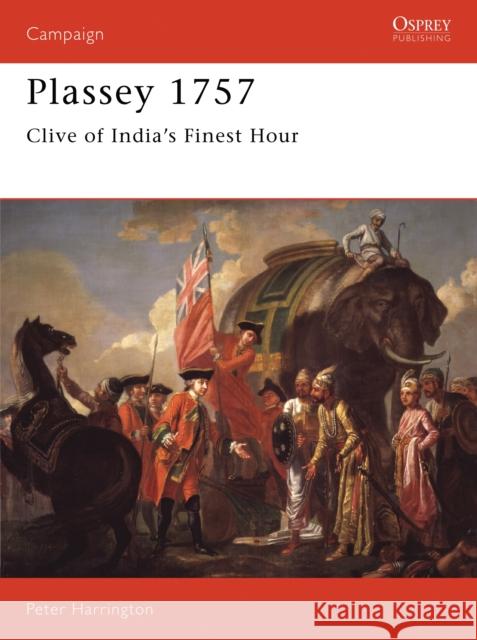
Osprey's study of the violent Boxer Rebellion, which swept northern China in 1900. The Boxers were a secret society who sought to rid their country of the pernicious influence of the foreign powers who had gradually acquired a stranglehold on China. With the connivance of the Imperial Court they laid siege to the legation quarter of Peking. Trapped inside were an assortment of diplomats, civilians and a small number of troops. They were all Sir Claude Macdonald, the British Minister in Peking, had to defend against thousands of hostile Boxers and Imperial troops. It would now be a race...
Osprey's study of the violent Boxer Rebellion, which swept northern China in 1900. The Boxers were a secret society who sought to rid their country of...
Peter Harrington Donato Spedaliere Sarah Sulemsohn Spedaliere
A study of the fortifications used in England during the Civil War. It covers the defences of London and Oxford, as well as looking at castles, earthworks and field fortifications. The author also traces the development of new defence systems that were developed by engineers such as De Gomme.
A study of the fortifications used in England during the Civil War. It covers the defences of London and Oxford, as well as looking at castles, earthw...
After relatively lowly beginnings as a writer in the East India Company, Robert Clive rose to be perhaps the most important single figure in the history of British involvement in India. At Plassey on 23 June 1757 Clive's 3,500 native and East India Company troops faced an army of 50,000 under the French supported nawab Siraj-ud-daula. Having succeeded in keeping his powder dry in a torrential rainstorm, Clive's guns were able to open a murderous fire on the enemy. Siraj-ud-daula's attack was beaten off and the counter-attack which Clive launched swept the field; with only the French gunners...
After relatively lowly beginnings as a writer in the East India Company, Robert Clive rose to be perhaps the most important single figure in the histo...