Analyzing the development of a Swedish American identity
"The Creation of an Ethnic Identity: Being Swedish American in the Augustana Synod, 18601917" analyzes how Swedish American identity was constructed, maintained, and changed in the late nineteenth and early twentieth centuries. The Augustana Synod, the largest religious-based organization created by Swedish immigrants in the United States, played an important role in establishing what it meant to be Swedish American.
In this study, author Dag Blanck poses three fundamental questions: How did an ethnic identity develop in the...
Analyzing the development of a Swedish American identity
"The Creation of an Ethnic Identity: Being Swedish American in the Augustana Synod, 186...
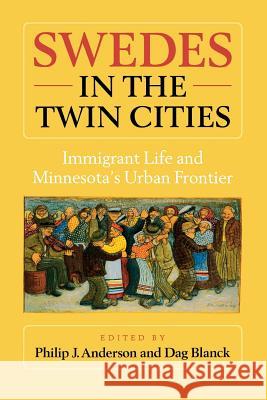
During the era of Swedish mass emigration to the United States--about 1.3 million Swedes arrived between 1850 and 1930--more members of this group made their homes in Minnesota than in any other state. By 1910 Swedes were the largest ethnic group in Minneapolis, claiming a quarter of the city's residents, and the second largest in St. Paul. As newcomers to this urban landscape, Swedish immigrants managed to leave their mark--in politics and in business, in religion and in art--even as they assimilated to the urban American culture in which they lived and worked.
In this book,...
During the era of Swedish mass emigration to the United States--about 1.3 million Swedes arrived between 1850 and 1930--more members of this group mad...