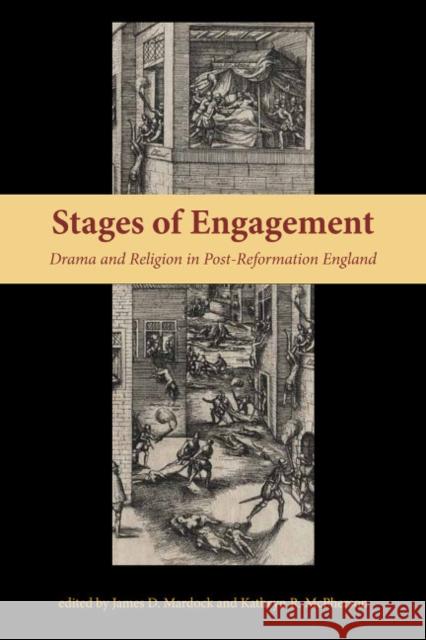
"Neuer came Reformation in a Flood, / With such a heady currance," exclaims the Archbishop of Canterbury in Shakespeare's Henry V, describing the king's seemingly miraculous conversion from the reprobate prince he had been. This description must have seemed quite apt to Shakespeare's post-Reformation audience. Religious reform in early modern England, whether driven by individual experience or by institutional theology or politics, occurred as more of a deluge than as a clearly defined or steady voyage. And the English stage -- where drama revised, resisted, and reacted against Reformation...
"Neuer came Reformation in a Flood, / With such a heady currance," exclaims the Archbishop of Canterbury in Shakespeare's Henry V, describing the king...