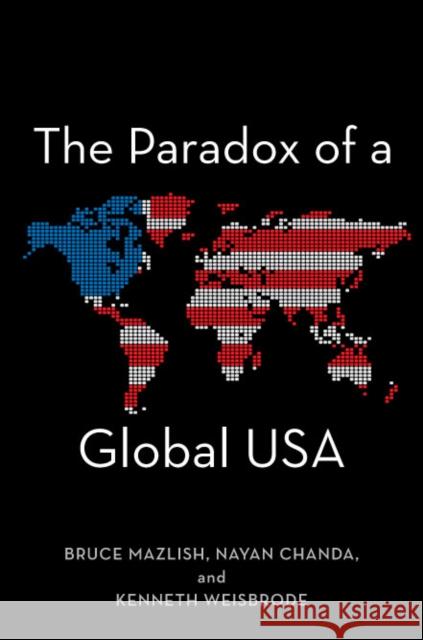
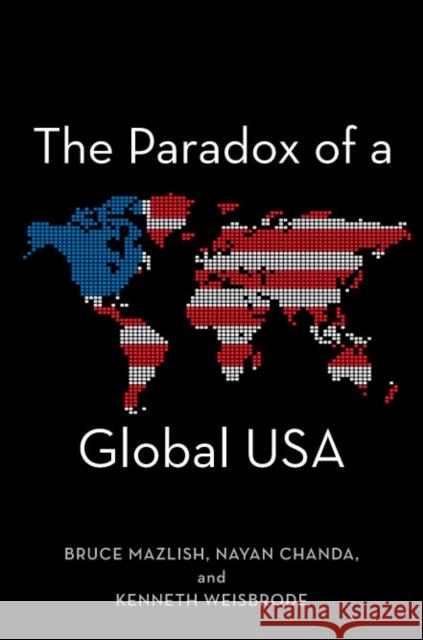
The Paradox of a Global USA describes the vexed relationship between the United States and globalization. On the one hand, the U.S. has vociferously promoted modernization and open markets, both central components of the process of globalization. On the other hand, it appears to be resolutely determined not to live within an institutional framework of globalized authority. As the world's only superpower, the United States is often perceived as championing its own narrow national sovereignty--for example, by opposing the Kyoto Protocol and the International Criminal Court, and by taking...
The Paradox of a Global USA describes the vexed relationship between the United States and globalization. On the one hand, the U.S. has vocifer...
"A first-class systematic attempt to analyze U.S. foreign policy in the aftermath of the Cold War. . . . This book explores the complicated business that U.S. diplomats face in reversing adversarial relations and moving toward something friendlier and more positively productive."--Dario Moreno, Florida International University
This book was commissioned as part of the project on U.S. relations with Cuba at the Atlantic Council of the United States. It examines recent cases in which the United States attempted to rebuild a normal relationship with a one-time adversary. With a...
"A first-class systematic attempt to analyze U.S. foreign policy in the aftermath of the Cold War. . . . This book explores the complicated busines...
The Paradox of a Global USA describes the vexed relationship between the United States and globalization. On the one hand, the U.S. has vociferously promoted modernization and open markets, both central components of the process of globalization. On the other hand, it appears to be resolutely determined not to live within an institutional framework of globalized authority. As the world's only superpower, the United States is often perceived as championing its own narrow national sovereignty--for example, by opposing the Kyoto Protocol and the International Criminal Court, and by taking...
The Paradox of a Global USA describes the vexed relationship between the United States and globalization. On the one hand, the U.S. has vocifer...