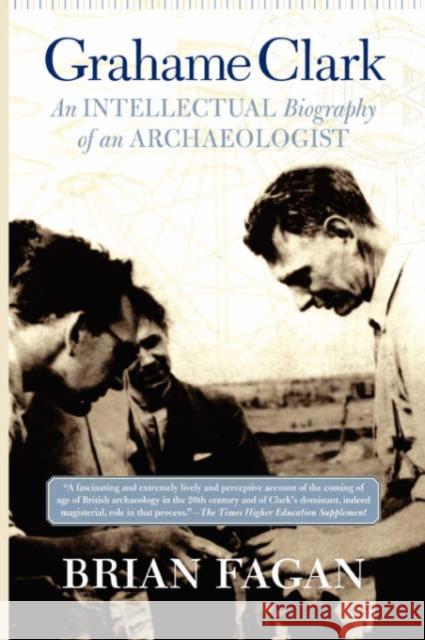
The British archaeologist Grahame Clark was a seminal figure in European and world archaeology for more than half of the twentieth century, but, at the same time, one whose reputation has been outshone by other, more visible luminaries. His works were never aimed at a wide general public, nor did he become a television or radio personality. Clark was, above all, a scholar, whose contributions to world archaeology were enormous. He was also convinced that the study of prehistory was important for all humanity and spent his career saying so. For this, he was awarded the prestigious Erasmus...
The British archaeologist Grahame Clark was a seminal figure in European and world archaeology for more than half of the twentieth century, but, at th...
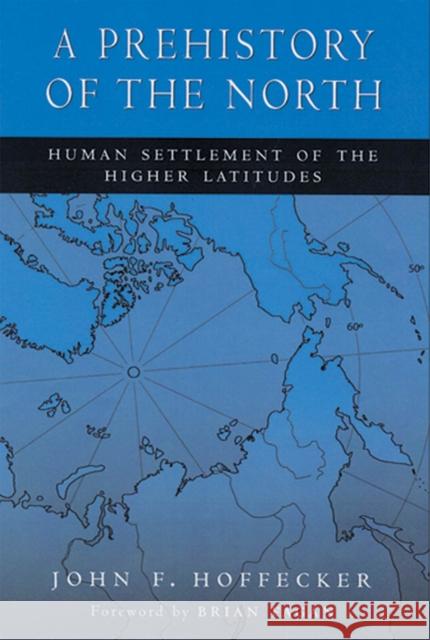
Early humans did not simply drift northward from their African origins as their abilities to cope with cooler climates evolved. The initial settlement of places like Europe and northern Asia, as well as the later movement into the Arctic and the Americas, actually occurred in relatively rapid bursts of expansion. A Prehistory of the North is the first full-length study to tell the complex story, spanning almost two million years, of how humans inhabited some of the coldest places on earth.
In an account rich with illustrations, John Hoffecker traces the history of anatomical...
Early humans did not simply drift northward from their African origins as their abilities to cope with cooler climates evolved. The initial settlem...
The Native American Graves Protection and Repatriation Act (NAGPRA) has brought into sharp relief the conflicts among public and private collectors, scholars, and indigenous peoples over the provenience and disposition of cultural property, especially archaeological remains. First published in 1989 and now updated and enlarged, this book explores the ethical, legal, and intellectual issues related to excavating, selling, collecting, and owning cultural artefacts. Twenty-two contributors, representing archaeology, law, museum administration, art history, and philosophy, suggest how the...
The Native American Graves Protection and Repatriation Act (NAGPRA) has brought into sharp relief the conflicts among public and private collectors, s...
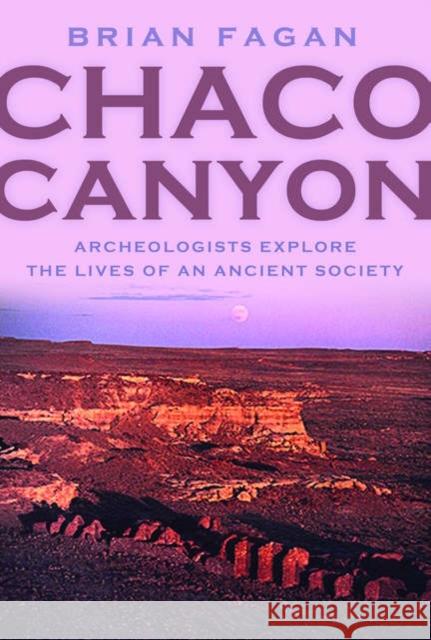
Chaco Canyon, New Mexico, has been called the Stonehenge of North America. Its spectacular pueblos, or great houses, are world famous and have attracted the attention of archaeologists for more than a century. Beautifully illustrated with color and black-and-white photographs, Chaco Canyon draws on the very latest research on Chaco and its environs to tell the remarkable story of the people of the canyon, from foraging bands and humble farmers to the elaborate society that flourished between the tenth and twelfth centuries A.D. Brian Fagan is a master story teller, and he weaves the...
Chaco Canyon, New Mexico, has been called the Stonehenge of North America. Its spectacular pueblos, or great houses, are world famous and have attract...
Anchoring is a key skill for yachtsmen and motor boaters. Indeed, anchoring may be the only way to prevent a boat being blown onto the rocks. No wonder so many pubs are called "Hope and Anchor"!
Anchoring is a key skill for yachtsmen and motor boaters. Indeed, anchoring may be the only way to prevent a boat being blown onto the rocks. No wonde...
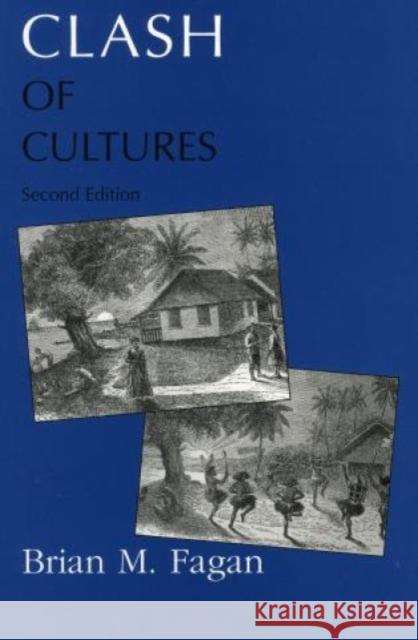
In Europe it was called the Age of Discovery. To the rest of the world, it often meant slavery, epidemic disease, cultural genocide, and wholesale social and economic changes. What happened in the period when Europe first came in contact with the rest of the world? In this new edition of Brian Fagan's Clash of Cultures, the best-selling author offers a series of fascinating cases on the impact of cultural contact, including cultures such as those of the Huron fur traders, South African Khoi Khoi, Tahitians, Japanese, and Aztecs. Each case provides a description of the pre-European culture,...
In Europe it was called the Age of Discovery. To the rest of the world, it often meant slavery, epidemic disease, cultural genocide, and wholesale soc...