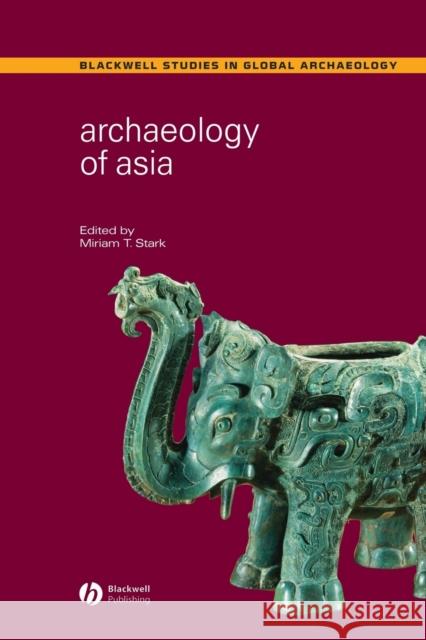
This introduction to the archaeology of Asia focuses on case studies from the region's last 10,000 years of history.
Comprises fifteen chapters by some of the world's foremost Asia archaeologists
Sheds light on the most compelling aspects of Asian archaeology, from the earliest evidence of plant domestication to the emergence of states and empires
Explores issues of cross-cultural significance, such as migration, urbanism, and technology
Presents original research data that challenges readers to think beyond national...
This introduction to the archaeology of Asia focuses on case studies from the region's last 10,000 years of history.
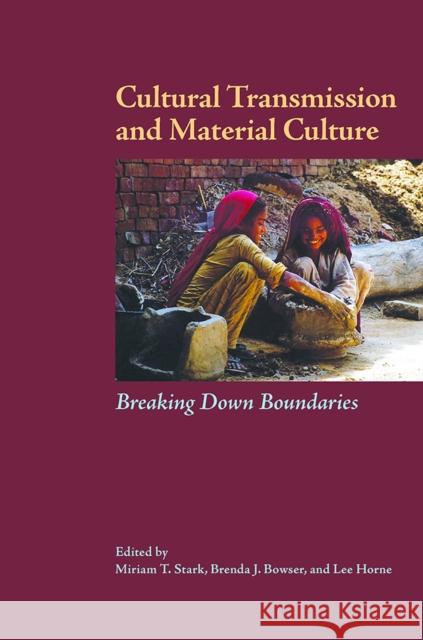
How and why people develop, maintain, and change cultural boundaries through time are central issues in the social and behavioral sciences in generaland anthropological archaeology in particular. What factors influence people to imitate or deviate from the behaviors of other group members? How are social group boundaries produced, perpetuated, and altered by the cumulative outcomeof these decisions? Answering these questions is fundamental to understanding cultural persistence and change. The chapters included in this stimulating, multifaceted book address these questions. Working in...
How and why people develop, maintain, and change cultural boundaries through time are central issues in the social and behavioral sciences in generala...
Mapping the boundaries between ancient societies through studies of "ethnicity," migration, or economic systems is of perennial interest to archaeologists, who typically have taken two divergent approaches. North American archaeologists have studies formal variation in the style of finished products, while the French tradition, exploring links between cognition and technical choice, has focused on how variation occurs during the manufacturing process. Fourteen contributors examine an array of media -- from ceramics and personal ornaments to architecture and site structure -- in...
Mapping the boundaries between ancient societies through studies of "ethnicity," migration, or economic systems is of perennial interest to archaeolog...
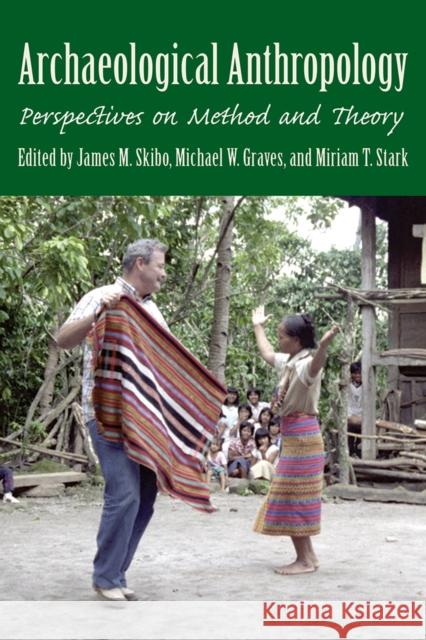
For centuries, the goal of archaeologists was to document and describe material artifacts, and at best to make inferences about the origins and evolution of human culture and about prehistoric and historic societies. During the 1960s, however, a number of young, primarily American archaeologists, including William Longacre, rebelled against this simplistic approach. Wanting to do more than just describe, Longacre and others believed that genuine explanations could be achieved by changing the direction, scope, and methodology of the field. What resulted was the New Archaeology, which blended...
For centuries, the goal of archaeologists was to document and describe material artifacts, and at best to make inferences about the origins and evolut...