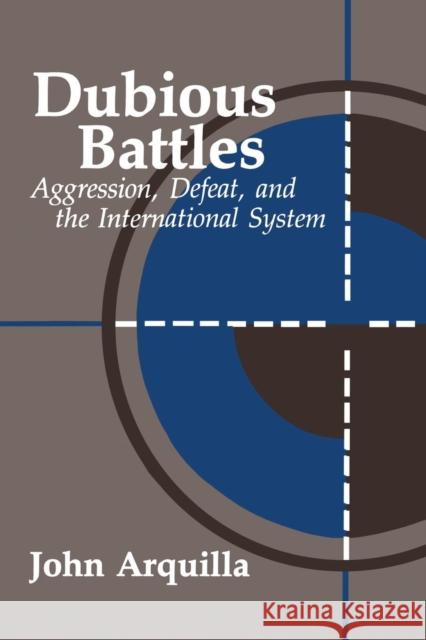
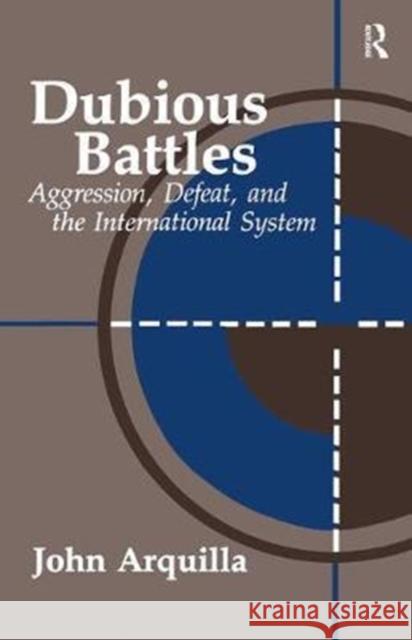
Although there is already a wealth of literature that examines the causes and impacts of war on the international system, there has been little analysis of the decisions of leaders who initiate wars they are destined to lose.
Although there is already a wealth of literature that examines the causes and impacts of war on the international system, there has been little analys...
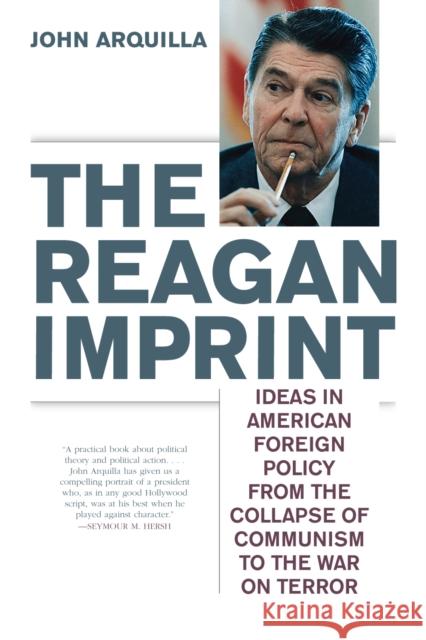
Contrary to widely held views of Ronald Reagan as a reflexive man of action, John Arquilla s sharply revisionist study argues that he was drawn to and driven by ideas. In Mr. Arquilla s view, Reagan during his presidency articulated important new concepts that fundamentally reshaped American foreign policy. He saw the effort simply to contain Soviet expansion as too defensive in nature, so he replaced it with a doctrine designed to help others free themselves from totalitarian rule. He objected to the notion of mutual nuclear deterrence on practical and ethical grounds, a stand that led him...
Contrary to widely held views of Ronald Reagan as a reflexive man of action, John Arquilla s sharply revisionist study argues that he was drawn to and...
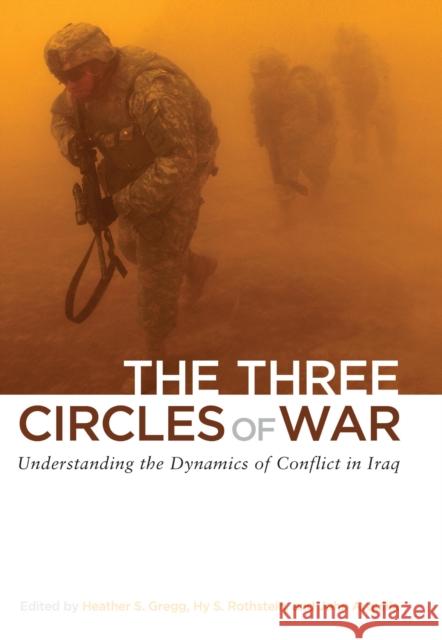
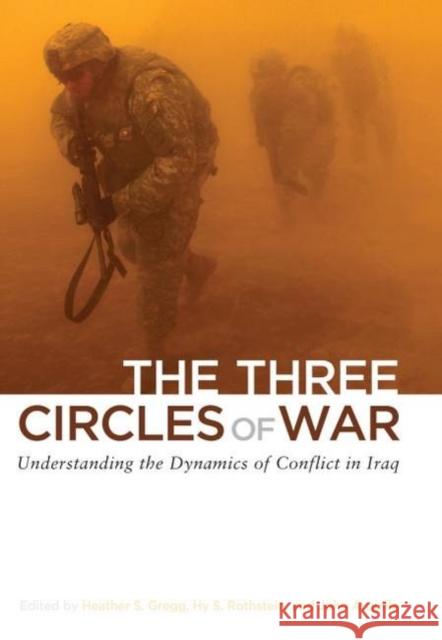
The conflict in Iraq is characterized by three faces of war: interstate conflict, civil war, and insurgency. The Coalition's invasion of Iraq in March 2003 began as an interstate war. No sooner had Saddam Hussein been successfully deposed, however, than U.S.-led forces faced a lethal insurgency. After Sunni al Qaeda in Iraq bombed the Shia al-Askari Shrine in 2006, the burgeoning conflict took on the additional element of civil war with sectarian violence between the Sunni and the Shia.
The most effective strategies in a war as complicated as the three-level conflict in Iraq are...
The conflict in Iraq is characterized by three faces of war: interstate conflict, civil war, and insurgency. The Coalition's invasion of Iraq in March...
The conflict in Iraq is characterized by three faces of war: interstate conflict, civil war, and insurgency. The Coalition's invasion of Iraq in March 2003 began as an interstate war. No sooner had Saddam Hussein been successfully deposed, however, than U.S.-led forces faced a lethal insurgency. After Sunni al Qaeda in Iraq bombed the Shia al-Askari Shrine in 2006, the burgeoning conflict took on the additional element of civil war with sectarian violence between the Sunni and the Shia.
The most effective strategies in a war as complicated as the three-level conflict in Iraq are...
The conflict in Iraq is characterized by three faces of war: interstate conflict, civil war, and insurgency. The Coalition's invasion of Iraq in March...
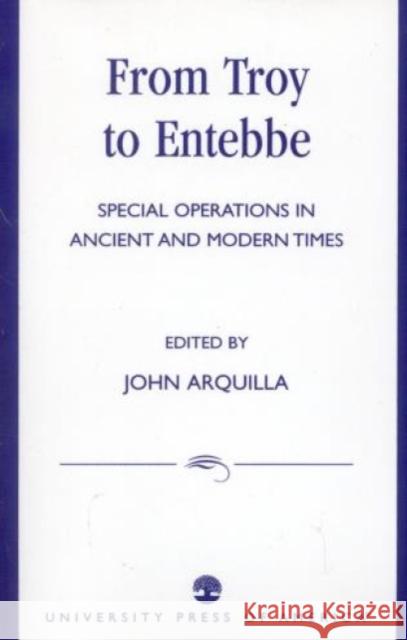
Special operations, though most commonly associated with the period from the Second World War to the present, have played a key role throughout the history of conflict from the Trojan War to the great arms struggles of the 20th century. This volume introduces the reader to the broad sweep of the history of special operations, and also includes several excerpts from the classic literature on the subject. Contents: Origins: Robert Graves, 'The Wooden Horse', 'The Sack of Troy'; Raiding in the Age of Sail: G.M. Thomson, 'The Damage Done by this Corsair', 'The Wind Commands Me Away'; Ian Grimble,...
Special operations, though most commonly associated with the period from the Second World War to the present, have played a key role throughout the hi...
From the small bands of wilderness warriors who battled in 18th-century North America to the "Chechen Lion," and the contemporary conflict in Chechnya, John Arquilla chronicles the deadly careers of the greatest masters of irregular warfare over the past 250 years. Their impact on events has been profound, with irregulars playing crucial roles in such epochal struggles as the Anglo-French duel for North America, the defeat of Napoleon in Spain and Russia, the American Civil War, both world wars, and the current era of terrorism. Seeing the world through the eyes of guerrillas, raiders and...
From the small bands of wilderness warriors who battled in 18th-century North America to the "Chechen Lion," and the contemporary conflict in Chechnya...
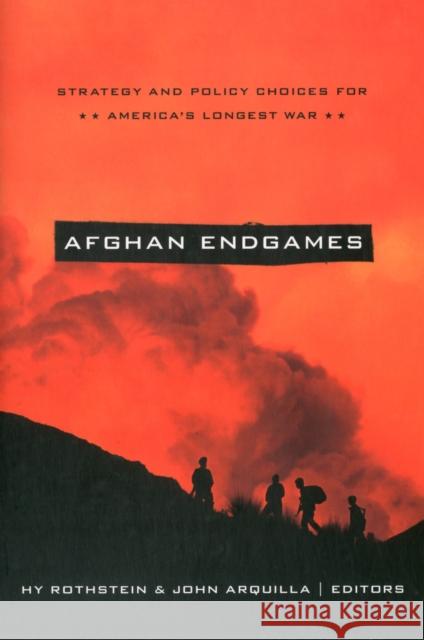
The United States and its allies have been fighting the Taliban and al-Qaeda in Afghanistan for a decade in a war that either side could still win. While a gradual drawdown has begun, significant numbers of US combat troops will remain in Afghanistan until at least 2014, perhaps longer, depending on the situation on the ground and the outcome of the US presidential election in 2012. Given the realities of the Taliban's persistence and the desire of US policymakers--and the public--to find a way out, what can and should be the goals of the US and its allies in...
The United States and its allies have been fighting the Taliban and al-Qaeda in Afghanistan for a decade in a war that either side could sti...