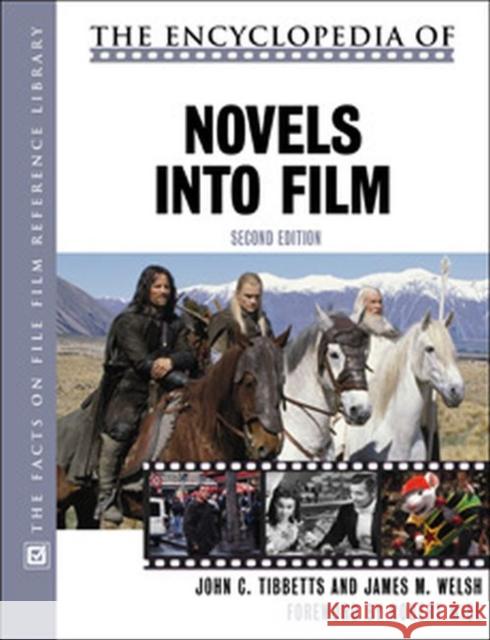
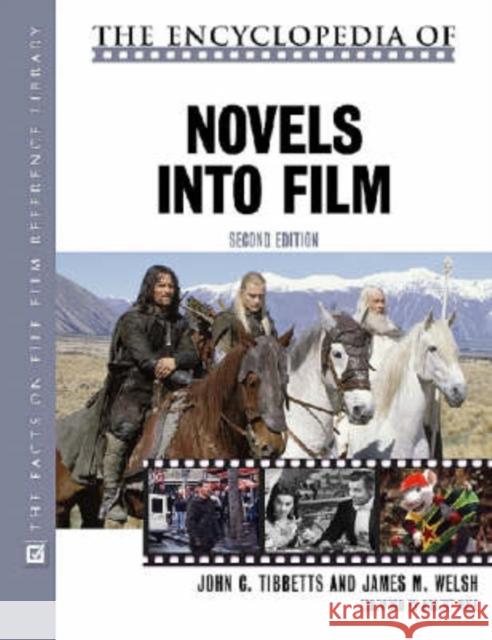
Completely revised and updated, this engaging reference provides a comprehensive, in-depth look at more than 300 American and foreign novels and their film adaptations. This edition includes more than 30 all-new entries and numerous updates to cover new adaptations, as well as many new photographs.
Completely revised and updated, this engaging reference provides a comprehensive, in-depth look at more than 300 American and foreign novels and their...
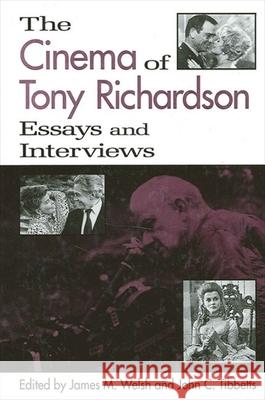
The Cinema of Tony Richardson examines for the first time the stage and screen achievements of Academy Award¬-winning director Tony Richardson, and includes recent interviews with his colleagues as well as a complete bibliography and filmography of his work. An important cultural trend-setter both in Britain and America, Richardson is here given his due as an influential and inventive film director who specialized in literary adaptations and worked constantly in theatre, film, and television production. Richardson (1928-1991) worked with George Devine at the Royal Court Theatre during...
The Cinema of Tony Richardson examines for the first time the stage and screen achievements of Academy Award¬-winning director Tony Richardson, and i...
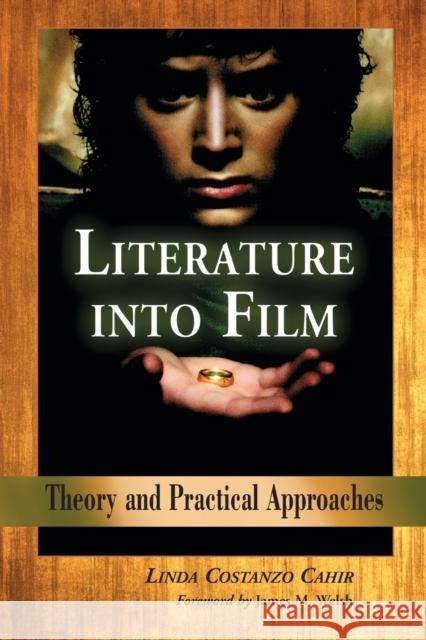
For most people, film adaptation of literature can be summed up in one sentence: "The movie wasn't as good as the book." This volume undertakes to show the reader that not only is this evaluation not always true but sometimes it is intrinsically unfair. Movies based on literary works, while often billed as adaptations, are more correctly termed translations. A director and his actors translate the story from the written page into a visual presentation. Depending on the form of the original text and the chosen method of translation, certain inherent difficulties and pitfalls are associated...
For most people, film adaptation of literature can be summed up in one sentence: "The movie wasn't as good as the book." This volume undertakes to sho...
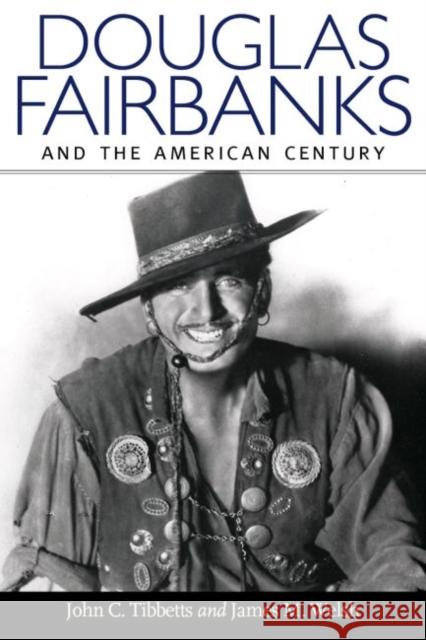
Douglas Fairbanks and the American Century brings to life the most popular movie star of his day, the personification of the Golden Age of Hollywood. At his peak, in the teens and twenties, the swashbuckling adventurer embodied the new American Century of speed, opportunity, and aggressive optimism. The essays and interviews in this volume bring fresh perspectives to his life and work, including analyses of films never before examined. Also published here for the first time in English is a first-hand production account of the making of Fairbanks's last silent film, The Iron...
Douglas Fairbanks and the American Century brings to life the most popular movie star of his day, the personification of the Golden Age of H...
The Encyclopedia of Novels into Film, Second Edition provides a look at more than 300 American and foreign novels and their film adaptations. This reference explores both the popular and lesser-known films that have come to define this genre. Providing an in-depth look at how books are selected for the silver screen.
The Encyclopedia of Novels into Film, Second Edition provides a look at more than 300 American and foreign novels and their film adaptations. This ref...
Many of our favorite films began as plays--some as well known as Shakespeare's Romeo and Juliet, and some not so well known as You've Got Mail's origin, a 1937 play Parfumerie by Miklos Laszlo. Video Versions identifies nearly 300 films and their theatrical origins, providing readers with an overview of the films and highlighting similarities and differences to the source plays. Perfect for teachers, students, and anyone interested in theater and film, it is the most complete resource available for video versions of plays.
Each entry provides: the...
Many of our favorite films began as plays--some as well known as Shakespeare's Romeo and Juliet, and some not so well known as You've Got...
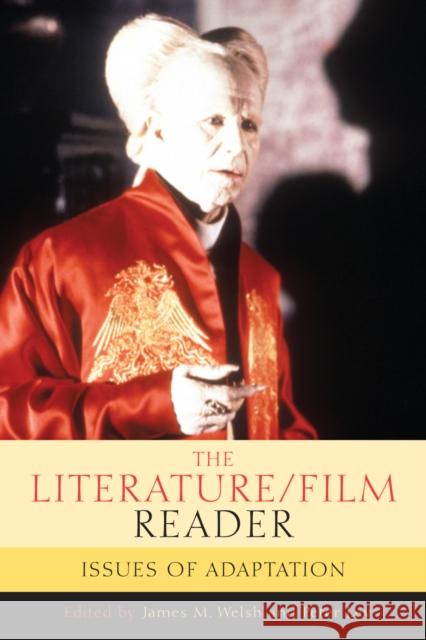
From examinations of Francis Ford Coppola's Apocalypse Now to Alfred Hitchcock's Vertigo, The Literature Film Reader: Issues of Adaptation covers a wide range of films adapted from other sources. The first section presents essays on the hows and whys of adaptation studies, and subsequent sections highlight films adapted from a variety of sources, including classic and popular literature, drama, biography, and memoir. The last section offers a new departure for adaptation studies, suggesting that films about history--often a separate category of film study--can be seen as adaptations of...
From examinations of Francis Ford Coppola's Apocalypse Now to Alfred Hitchcock's Vertigo, The Literature Film Reader: Issues of Adaptation covers a wi...