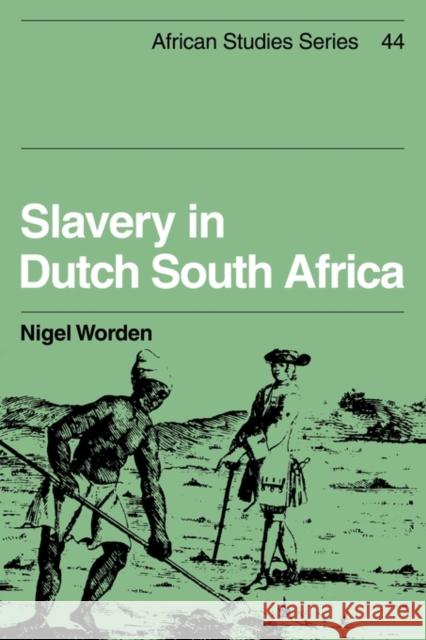
This was the first comprehensive analysis of slavery in early colonial South Africa under the Dutch East India Company (1652 1795) when it was published in 1985. Based on archival research in Britain, the Netherlands and South Africa, it examines the nature of Cape slavery with reference to the literature on other slave societies. Dr Worden shows how the slave economy developed in town and countryside, and discusses the dynamics of the slave market, the growth of land concentration, the harsh life on the farm, and the developing polarisation of rural race relations. He analyses the relation...
This was the first comprehensive analysis of slavery in early colonial South Africa under the Dutch East India Company (1652 1795) when it was publish...
Honourable Intentions? compares the significance and strategic use of honour in two colonial societies, the Cape Colony and the early British settlements in Australia, between 1750 and 1850. The mobile populations of emigrants and sojourners, sailors and soldiers, merchants and traders, slaves and convicts who surged into and through these regions are not usually associated with ideas of honour. But in both societies, competing and contradictory notions of honour proved integral to the ways in which colonisers and colonised, free and unfree, defended their status and insisted on their...
Honourable Intentions? compares the significance and strategic use of honour in two colonial societies, the Cape Colony and the early British settl...