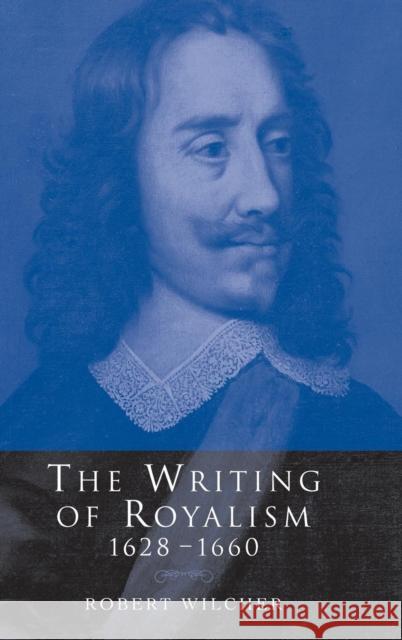
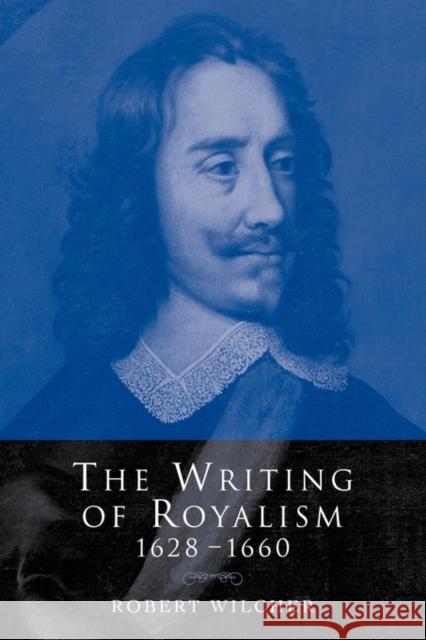
In The Writing of Royalism, Robert Wilcher charts the political and ideological development of "royalism" between 1628 and 1660. His study situates a wide range of minor and canonical texts in the tumultuous political contexts of the time, helpfully integrating them into a detailed historical narrative. He illustrates the role of literature in forging a party committed to the military defense of royalist values and determined to sustain them in defeat.
In The Writing of Royalism, Robert Wilcher charts the political and ideological development of "royalism" between 1628 and 1660. His study situates a ...
In The Writing of Royalism, Robert Wilcher charts the political and ideological development of "royalism" between 1628 and 1660. His study situates a wide range of minor and canonical texts in the tumultuous political contexts of the time, helpfully integrating them into a detailed historical narrative. He illustrates the role of literature in forging a party committed to the military defense of royalist values and determined to sustain them in defeat.
In The Writing of Royalism, Robert Wilcher charts the political and ideological development of "royalism" between 1628 and 1660. His study situates a ...
This comprehensive study of the literary output of Sir John Suckling reconstructs the various contexts in which the poems, plays, letters, and prose tracts were produced and, by means of close textual analysis, reveals the nature of one writer's engagement_both creative and subversive_with the social, religious, political, and cultural dimensions of Caroline England. It challenges the common view of Suckling as primarily a court wit and courtier playwright and makes a case for reading much of his poetry and drama as a critique of the social values and aesthetic fashions associated with the...
This comprehensive study of the literary output of Sir John Suckling reconstructs the various contexts in which the poems, plays, letters, and prose t...