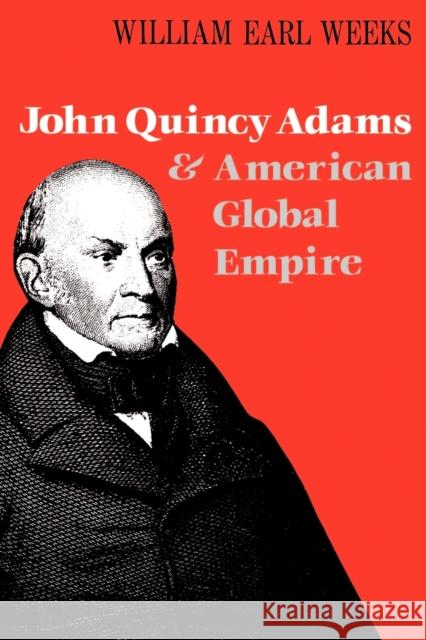
This is the story of a man, a treaty, and a nation. The man was John Quincy Adams, regarded by most historians as America's greatest secretary of state. The treaty was the Transcontinental Treaty of 1819, of which Adams was the architect. It acquired Florida for the young United States, secured a western boundary extending to the Pacific, and bolstered the nation's position internationally. As William Weeks persuasively argues, the document also represented the first determined step in the creation of an American global empire.
Weeks follows the course of the often labyrinthine...
This is the story of a man, a treaty, and a nation. The man was John Quincy Adams, regarded by most historians as America's greatest secretary of s...
In this fresh survey of foreign relations in the early years of the American republic, William Earl Weeks argues that the construction of the new nation went hand in hand with the building of the American empire. Mr. Weeks traces the origins of this initiative to the 1750s, when the Founding Fathers began to perceive the advantages of colonial union and the possibility of creating an empire within the British Empire that would provide security and the potential for commercial and territorial expansion. After the adoption of the Constitution and a far stronger central government than had been...
In this fresh survey of foreign relations in the early years of the American republic, William Earl Weeks argues that the construction of the new nati...