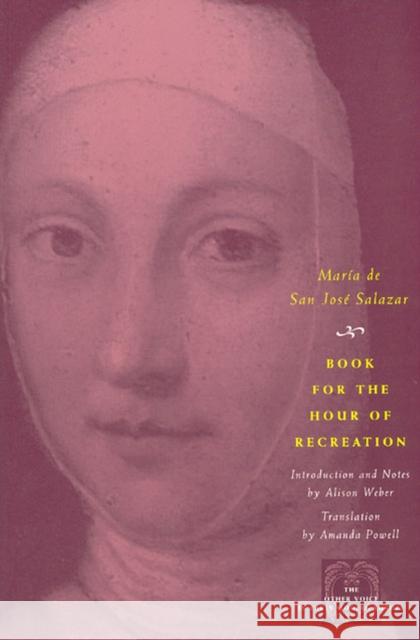
María de San José Salazar (1548-1603) took the veil as a Discalced ("barefoot") Carmelite nun in 1571, becoming one of Teresa of Avila's most important collaborators in religious reform and serving as prioress of the Seville and Lisbon convents. Within the parameters of the strict Catholic Reformation in Spain, María fiercely defended women's rights to define their own spiritual experience and to teach, inspire, and lead other women in reforming their church.
María wrote this book as a defense of the Discalced practice...
María de San José Salazar (1548-1603) took the veil as a Discalced ("barefoot") Carmelite nun in 1571, becoming one of Teresa of Av...
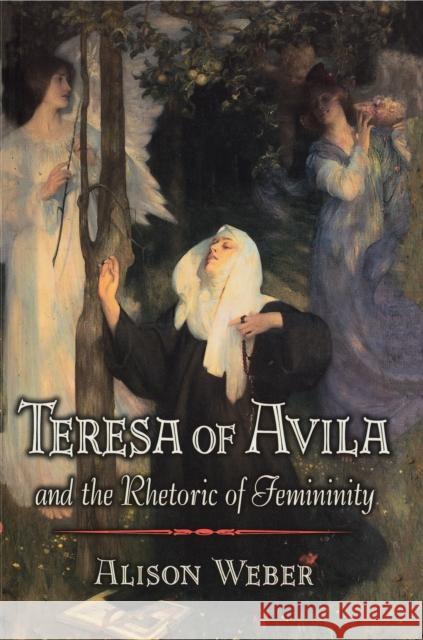
Celebrated as a visionary chronicler of spirituality, Teresa of Avila (1515-1582) suffered persecution by the Counter-Reformation clergy in Spain, who denounced her for her "diabolical illusions" and "dangerous propaganda." Confronting the historical irony of Teresa's transformation from a figure of questionable orthodoxy to a national saint, Alison Weber shows how this teacher and reformer used exceptional rhetorical skills to defend her ideas at a time when women were denied participation in theological discourse. In a close examination of Teresa's major writings, Weber correlates the...
Celebrated as a visionary chronicler of spirituality, Teresa of Avila (1515-1582) suffered persecution by the Counter-Reformation clergy in Spain, ...
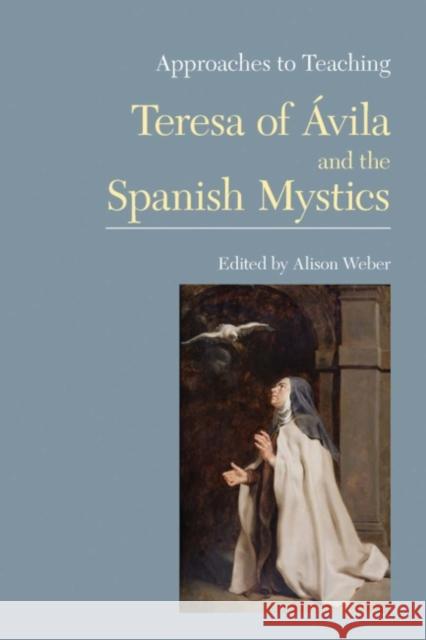
The writings of Teresa of Avila and the Spanish mystics, most notably John of the Cross and Luis de Leon, aroused passionate responses when they were composed. Though today's students realize that religious beliefs have wide-ranging consequences, they are presented with particular challenges in studying the Spanish mystics because of their unfamiliarity with the linguistic, social, and religious history of early modern Spain. This volume is designed to help instructors elicit students' curiosity, sympathy, and appreciation for writings that can at first seem alien or confusing.
Part...
The writings of Teresa of Avila and the Spanish mystics, most notably John of the Cross and Luis de Leon, aroused passionate responses when they we...
The writings of Teresa of Avila and the Spanish mystics, most notably John of the Cross and Luis de Leon, aroused passionate responses when they were composed. Though today's students realize that religious beliefs have wide-ranging consequences, they are presented with particular challenges in studying the Spanish mystics because of their unfamiliarity with the linguistic, social, and religious history of early modern Spain. This volume is designed to help instructors elicit students' curiosity, sympathy, and appreciation for writings that can at first seem alien or confusing.
Part...
The writings of Teresa of Avila and the Spanish mystics, most notably John of the Cross and Luis de Leon, aroused passionate responses when they we...