..". an excellent introduction to a complex subject. Anyone interested in the Midwest or in women's history will find it a valuable resource." -Agricultural History
..". the volume as a whole invigorates the field of midwestern history." -Wisconsin Magazine of History
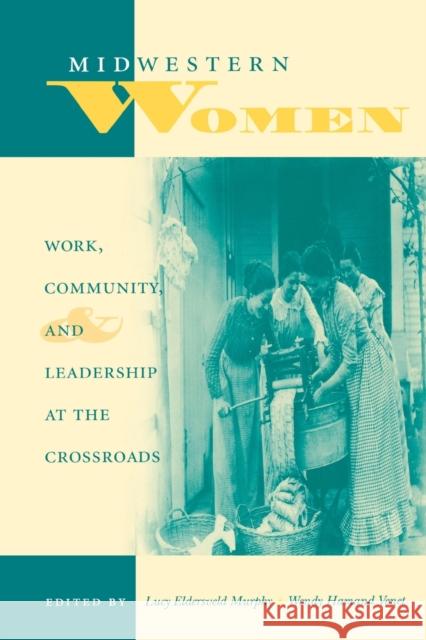
..". examines four centuries of Midwestern women's history, including urban and rural, frontier settlers and American Indians, Mexican and European migrants. The book mixes telling anecdotes with scholarly research." -Indianapolis Star
Writing about four centuries of midwestern women's history, including...
..". an excellent introduction to a complex subject. Anyone interested in the Midwest or in women's history will find it a valuable resource." -Agr...
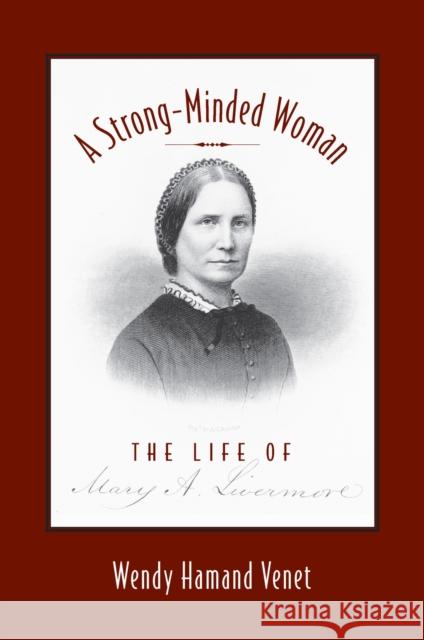
When Mary Livermore died in 1905 at age 84, a Boston newspaper praised her as "America's foremost woman." A leading figure in the struggle for woman's rights as well as in the temperance movement, she was as widely recognized during her lifetime as Susan B. Anthony, and for a time the most popular and highly paid female orator in the country. Yet aside from Civil War historians familiar with her service as a wartime nurse, few today remember even her name.
In this book, Wendy Hamand Venet reconstructs Mary Livermore's remarkable story and explores how and why she became so renowned in...
When Mary Livermore died in 1905 at age 84, a Boston newspaper praised her as "America's foremost woman." A leading figure in the struggle for woma...
A compelling exploration of what real life was like for residents of Civil War-era Atlanta
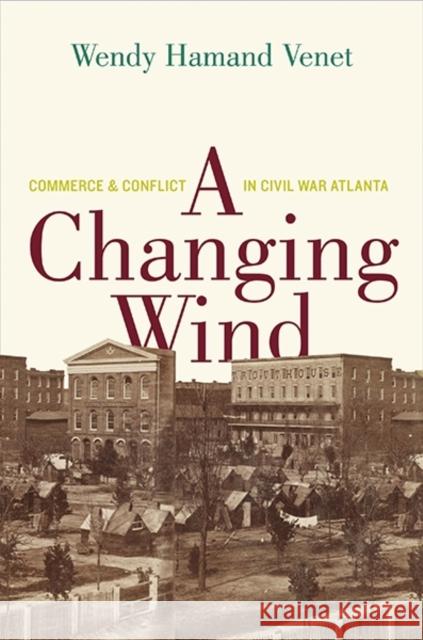
In 1845, Atlanta was the last stop at the end of a railroad line, the home of just twelve families and three general stores. By the 1860s, it was a thriving Confederate city, second only to Richmond in importance. A Changing Wind is the first history to explore the experiences of Atlanta's civilians during the young city's rapid growth, the devastation of the Civil War, and the Reconstruction era when Atlanta emerged as a "New South" city.
A Changing Wind...
A compelling exploration of what real life was like for residents of Civil War-era Atlanta