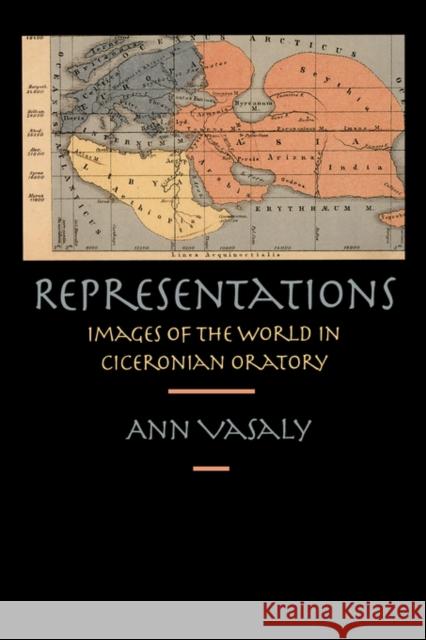
Ann Vasaly introduces representation theory into the study of Ciceronian persuasion and contends that an understanding of milieu--social, political, topographical--is crucial to understanding Ciceronian oratory. As a genre uniquely dependent on an immediate interaction between author and audience, ancient oratory becomes performance art. Vasaly investigates the way Cicero represented the contemporary physical world--places, topography, and monuments, both those seen and those merely mentioned--to his listeners and demonstrates how he used these representations to persuade. Her...
Ann Vasaly introduces representation theory into the study of Ciceronian persuasion and contends that an understanding of milieu--social, political, t...
This volume explores the political implications of the first five books of Livy's celebrated history of Rome, challenging the common perception of the author as an apolitical moralist. Ann Vasaly argues that Livy intended to convey through the narration of particular events crucial lessons about the interaction of power and personality, including the personality of the Roman people as a whole. These lessons demonstrate the means by which the Roman republic flourished in the distant past and by which it might be revived in Livy's own corrupt time. Written at the precise moment when Augustus'...
This volume explores the political implications of the first five books of Livy's celebrated history of Rome, challenging the common perception of the...