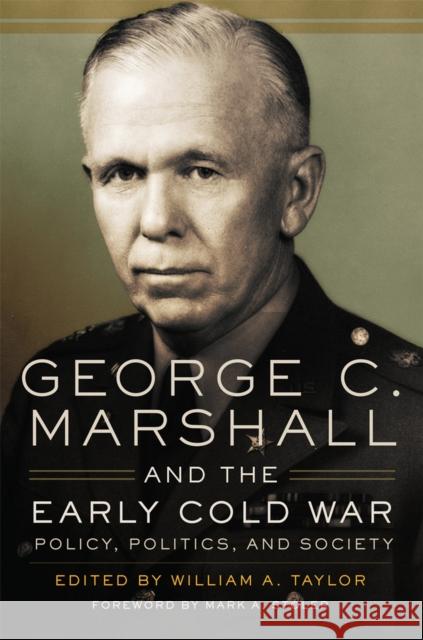
Beginning in 1943, US Army leaders such as John M. Palmer, Walter L. Weible, George C. Marshall, and John J. McCloy mounted a sustained and vigorous campaign to establish a system of universal military training (UMT) in America. Fearful of repeating the rapid demobilization and severe budget cuts that had accompanied peace following World War I, these leaders saw UMT as the basis for their postwar plans. As a result, they promoted UMT extensively and aggressively. In "Every Citizen a Soldier: The Campaign for Universal Military Training after World War II," William A. Taylor illustrates...
Beginning in 1943, US Army leaders such as John M. Palmer, Walter L. Weible, George C. Marshall, and John J. McCloy mounted a sustained and vigorous c...
"When I became secretary of defense," Ashton B. Carter said when announcing that the Pentagon would open all combat jobs to women, "I made a commitment to building America's force of the future. In the twenty-first century, that requires drawing strength from the broadest possible pool of talent." That "pool of talent"--and how our nation's civilian and military leaders have tried to fill it--is what Military Service and American Democracy is all about. William Taylor chronicles and analyzes the long and ever-changing history of that often contentious and controversial effort, from...
"When I became secretary of defense," Ashton B. Carter said when announcing that the Pentagon would open all combat jobs to women, "I made a commitmen...