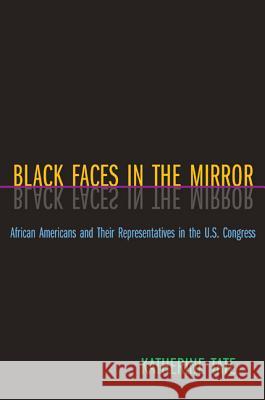
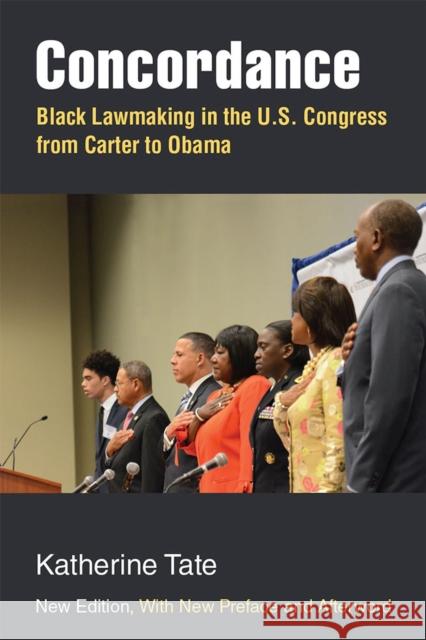
Here, Katherine Tate examines the significance of race in the U.S. system of representative democracy for African Americans. Presenting important new findings, she offers the first empirical study to take up the question of representation from both sides of the constituent-representative relationship.
The first half of the book examines whether black members of the U.S. House legislate and represent their constituents differently than white members do. Representation is broadly conceptualized to include not only legislators' roll call voting behavior and bill sponsorship, but...
Here, Katherine Tate examines the significance of race in the U.S. system of representative democracy for African Americans. Presenting important n...
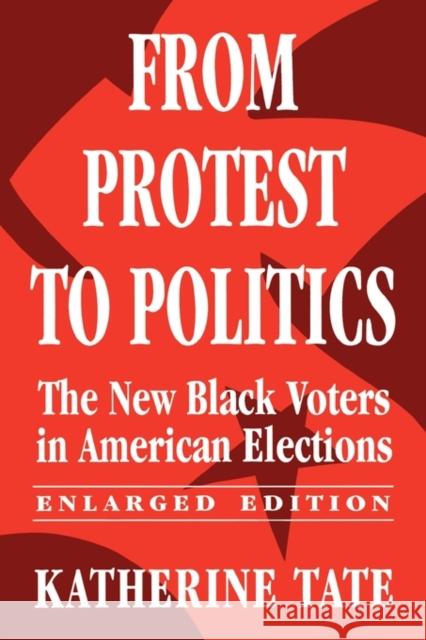
The struggle for civil rights among black Americans has moved into the voting booth. How such a shift came about--and what it means--is revealed in this timely reflection on black presidential politics in recent years.
Since 1984, largely as a result of Jesse Jackson's presidential bid, blacks have been galvanized politically. Drawing on a substantial national survey of black voters, Katherine Tate shows how this process manifested itself at the polls in 1984 and 1988. In an analysis of the black presidential vote by region, income, age, and gender, she is able to identify unique...
The struggle for civil rights among black Americans has moved into the voting booth. How such a shift came about--and what it means--is revealed in...
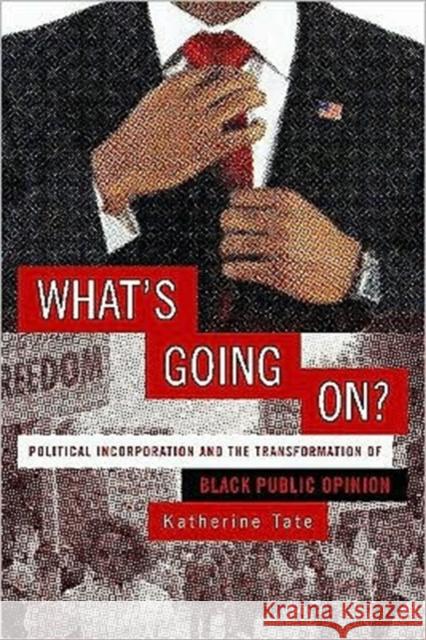
In political opinion surveys from the 1950s through the 1970s, African Americans were consistently among the most liberal groups in the United States and were much further to the left than White Americans on most issues. Starting in the 1980s, Black public opinion began to move to the center, and this trend has deepened since. Why is this the case?
Katherine Tate contends that Black political incorporation and increased affluence since the civil rights movement have made Black politics and public opinion more moderate over time. Black leaders now have greater opportunity to...
In political opinion surveys from the 1950s through the 1970s, African Americans were consistently among the most liberal groups in the United Stat...
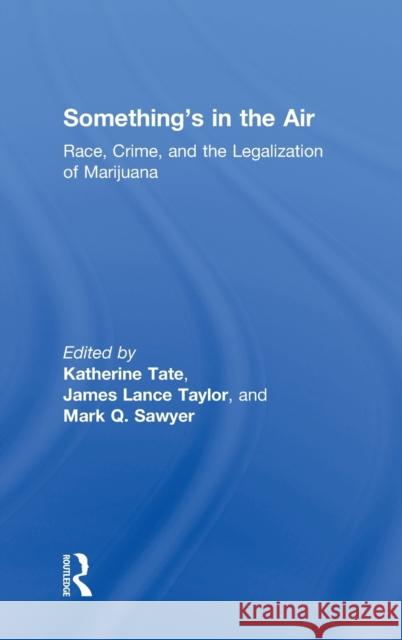
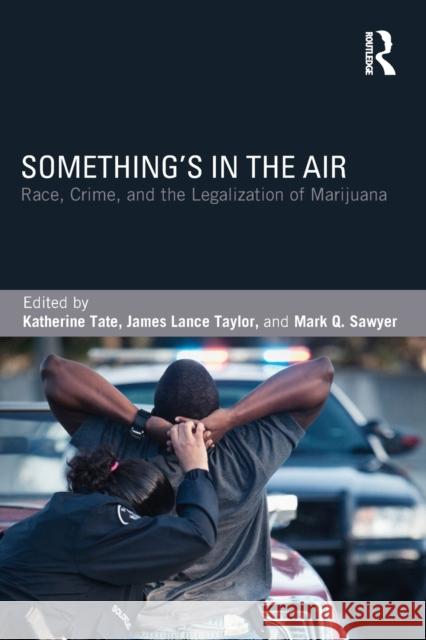
America's drug laws have always exerted an unequal and unfair toll on Blacks and Latinos, who are arrested more often than Whites for the possession of illegal drugs and given harsher sentences. In this volume, contributors ask how would marijuana legalization affect communities of color? Is legalization of marijuana necessary to safeguard minority families from a lifetime of hardship and inequality? Who in minority communities favors legalization and why, and do these minority opinions differ from the opinions held by White Americans? This volume also includes analyses of the policy debate...
America's drug laws have always exerted an unequal and unfair toll on Blacks and Latinos, who are arrested more often than Whites for the possession o...
America's drug laws have always exerted an unequal and unfair toll on blacks and Latinos, who are arrested more often than whites for the possession of illegal drugs and given harsher sentences. In this volume, contributors ask how would marijuana legalization affect communities of colour?
America's drug laws have always exerted an unequal and unfair toll on blacks and Latinos, who are arrested more often than whites for the possession o...