Samuel Romanelli Yedida Kalfon Stillman Norman A. Stillman
Samuel Romanelli was a free spirit, a son of the Enlightenment, who spend most of his life travelling in search of adventure, knowledge, and patrons for his literary endeavors. By the early 1780s, Romanelli had travelled from his homeland to England and established himself among the Maskilim, or Jews of the Enlightenment, and patrons of Hebrew culture. Fluent in ten languages, he was a poet and translator of classical and contemporary literature into Hebrew, and apparently he earned a good living. During a return voyage to Italy in 1786, he became stranded in Gibraltar for an extended...
Samuel Romanelli was a free spirit, a son of the Enlightenment, who spend most of his life travelling in search of adventure, knowledge, and patrons f...
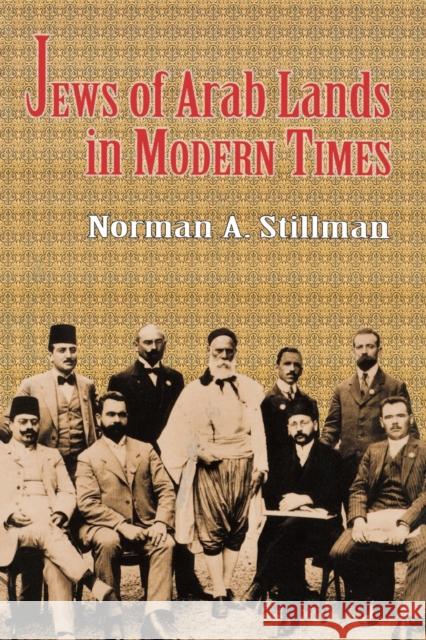
At a time when hostilities and violence in the Middle East and Persian Gulf continually threaten the world with war, anyone seeking to understand the current situation must become familiar with the interrelationships of the Jewish and Arab cultures. This book focuses on the forces, events, and personalities that over the past 150 years have shaped the Jewish communities of the Arab world, changing the relations between Jews and Arabs more radically than anything since the rise of Islam nearly 1400 years ago. Norman A. Stillman is the Schusterman/Josey Professor of Judaic History at the...
At a time when hostilities and violence in the Middle East and Persian Gulf continually threaten the world with war, anyone seeking to understand the ...
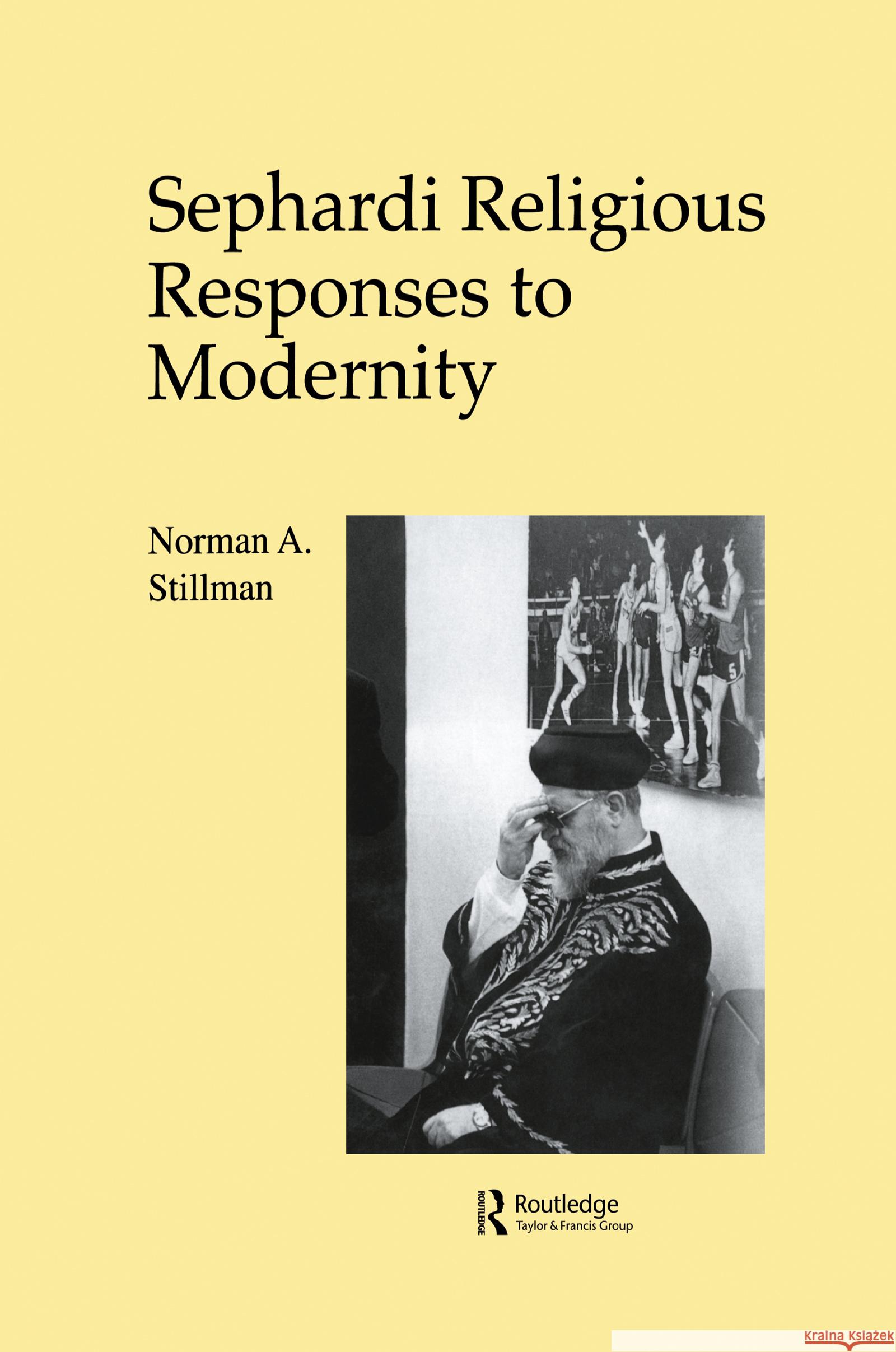
Throughout the nineteenth century the entire structure of the Ashkenazi world crumbled. What remains of Ashkenazi Jewry today is split into irreconcilable religious camps on the one hand, and a large body of secularized Jews of greater or lesser ethnicity on the other. The Sephardi and Oriental Jews, who form the other great branch of world Jewry, had a very different encounter with the forces of modernity. This book examines some of their responses to its challenges. The Sephardi religious leaders, who had been historically more open to general culture, reacted with neither the...
Throughout the nineteenth century the entire structure of the Ashkenazi world crumbled. What remains of Ashkenazi Jewry today is split into irreconcil...