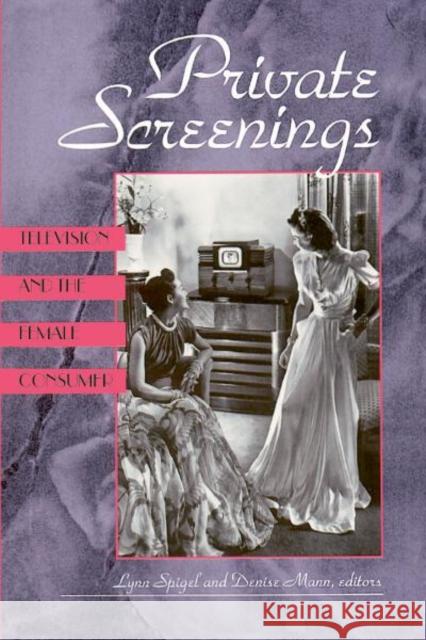
While much research into television has been historical, textual, or empirical, this volume approaches the topic from a sociocultural and feminist perspective, to address important questions from the viewpoint of the audience as well as from that of the industry.
While much research into television has been historical, textual, or empirical, this volume approaches the topic from a sociocultural and feminist per...
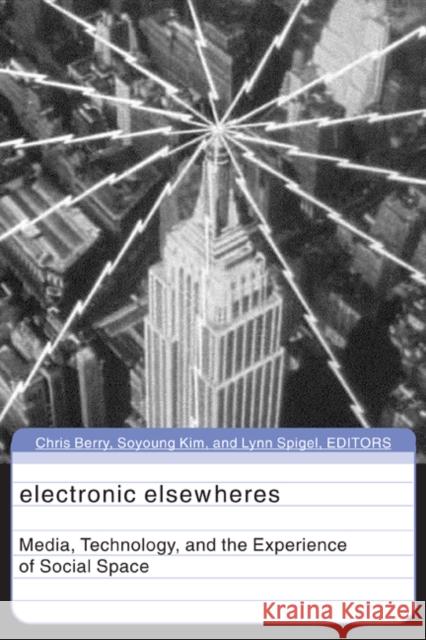
Media do not simply portray places that already exist; they actually produce them. In exploring how world populations experience "place" through media technologies, the essays included here examine how media construct the meanings of home, community, work, nation, and citizenship.
Tracing how media reconfigure the boundaries between public and private-and global and local-to create "electronic elsewheres," the essays investigate such spaces and identities as the avatars that women are creating on Web sites, analyze the role of satellite television in transforming Algerian...
Media do not simply portray places that already exist; they actually produce them. In exploring how world populations experience "place" through me...
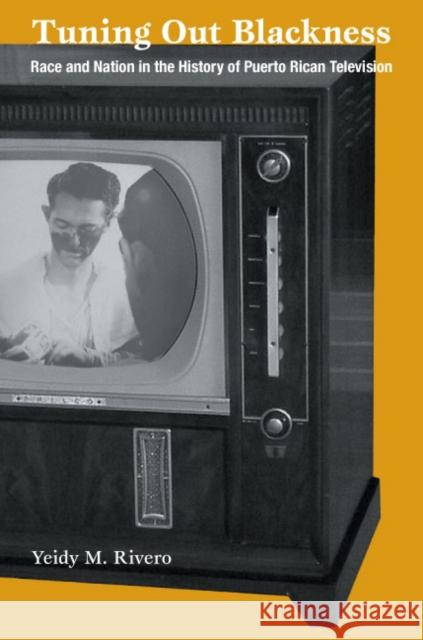
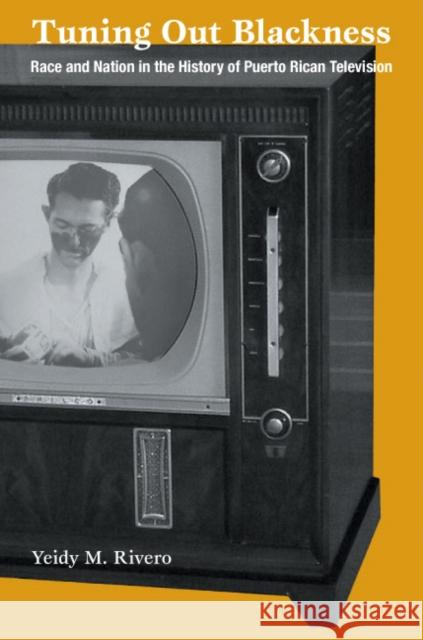
Tuning Out Blackness fills a glaring omission in U.S. and Latin American television studies by looking at the history of Puerto Rican television. In exploring the political and cultural dynamics that have shaped racial representations in Puerto Rico's commercial media from the late 1940s to the 1990s, Yeidy M. Rivero advances critical discussions about race, ethnicity, and the media. She shows that televisual representations of race have belied the racial egalitarianism that allegedly pervades Puerto Rico's national culture. White performers in blackface have often portrayed...
Tuning Out Blackness fills a glaring omission in U.S. and Latin American television studies by looking at the history of Puerto Rican televisio...
In the last ten years, television has reinvented itself in numerous ways. The demise of the U.S. three-network system, the rise of multi-channel cable and global satellite delivery, changes in regulation policies and ownership rules, technological innovations in screen design, and the development of digital systems like TiVo have combined to transform the practice we call watching tv. If tv refers to the technologies, program forms, government policies, and practices of looking associated with the medium in its classic public service and three-network age, it appears that we are now entering...
In the last ten years, television has reinvented itself in numerous ways. The demise of the U.S. three-network system, the rise of multi-channel cable...
An engaging exploration of the relationship between avant-garde art and American network television from the 1940s through the 1970s
The aesthetics and concepts of modern art have influenced American television ever since its inception in the 1930s. In return, early television introduced the public to the latest trends in art and design. This engaging catalogue comprehensively examines the way avant-garde art shaped the look and content of network television in its formative years, from the 1940s through the mid-1970s. It also addresses the larger cultural and social...
An engaging exploration of the relationship between avant-garde art and American network television from the 1940s through the 1970s
Caricatures of sixties television--called a "vast wasteland" by the FCC president in the early sixties--continue to dominate our perceptions of the era and cloud popular understanding of the relationship between pop culture and larger social forces. Opposed to these conceptions, The Revolution Wasn't Televised explores the ways in which prime-time television was centrally involved in the social conflicts of the 1960s. It was then that television became a ubiquitous element in American homes. The contributors in this volume argue that due to TV's...
Caricatures of sixties television--called a "vast wasteland" by the FCC president in the early sixties--continue to dominate our perceptions of the er...
Media do not simply portray places that already exist; they actually produce them. In exploring how world populations experience "place" through media technologies, the essays included here examine how media construct the meanings of home, community, work, nation, and citizenship.
Tracing how media reconfigure the boundaries between public and private-and global and local-to create "electronic elsewheres," the essays investigate such spaces and identities as the avatars that women are creating on Web sites, analyze the role of satellite television in transforming Algerian...
Media do not simply portray places that already exist; they actually produce them. In exploring how world populations experience "place" through me...
Tuning Out Blackness fills a glaring omission in U.S. and Latin American television studies by looking at the history of Puerto Rican television. In exploring the political and cultural dynamics that have shaped racial representations in Puerto Rico's commercial media from the late 1940s to the 1990s, Yeidy M. Rivero advances critical discussions about race, ethnicity, and the media. She shows that televisual representations of race have belied the racial egalitarianism that allegedly pervades Puerto Rico's national culture. White performers in blackface have often portrayed...
Tuning Out Blackness fills a glaring omission in U.S. and Latin American television studies by looking at the history of Puerto Rican televisio...
In Television as Digital Media, scholars from Australia, the United Kingdom, and the United States combine television studies with new media studies to analyze digital TV as part of digital culture. Taking into account technologies, industries, economies, aesthetics, and various production, user, and audience practices, the contributors develop a new critical paradigm for thinking about television, and the future of television studies, in the digital era. The collection brings together established and emerging scholars, producing an intergenerational dialogue that will be useful for...
In Television as Digital Media, scholars from Australia, the United Kingdom, and the United States combine television studies with new media st...