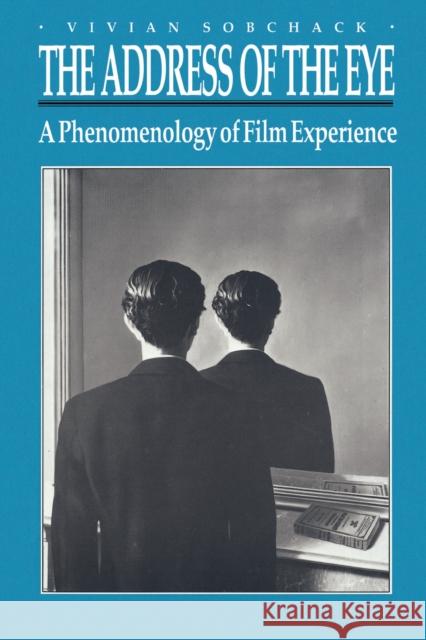
Cinema is a sensuous object, but in our presence it becomes also a sensing, sensual, sense-making subject. Thus argues Vivian Sobchack as she challenges basic assumptions of current film theory that reduce film to an object of vision and the spectator to a victim of a deterministic cinematic apparatus. Maintaining that these premises ignore the material and cultural-historical situations of both the spectator and the film, the author makes the radical proposal that the cinematic experience depends on two "viewers" viewing: the spectator and the film, each existing as both subject and...
Cinema is a sensuous object, but in our presence it becomes also a sensing, sensual, sense-making subject. Thus argues Vivian Sobchack as she chall...
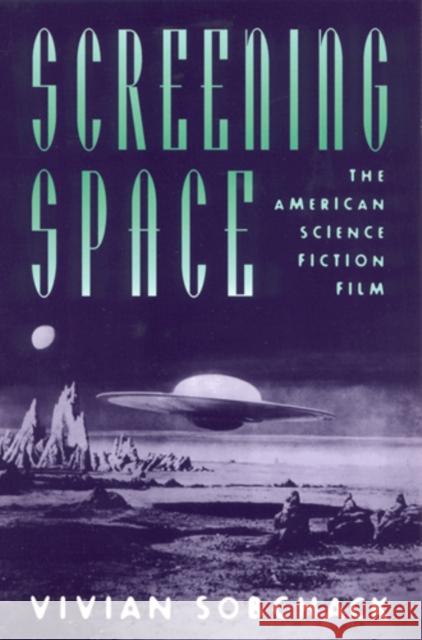
This text attempts to shape definitions of the American science fiction film, studying the connection between the films and social preconceptions. It covers many classic films and discusses their import, seeking to rescue the genre from the neglect of film theorists. The book should appeal to both film buff and fans of science fiction.
This text attempts to shape definitions of the American science fiction film, studying the connection between the films and social preconceptions. It ...
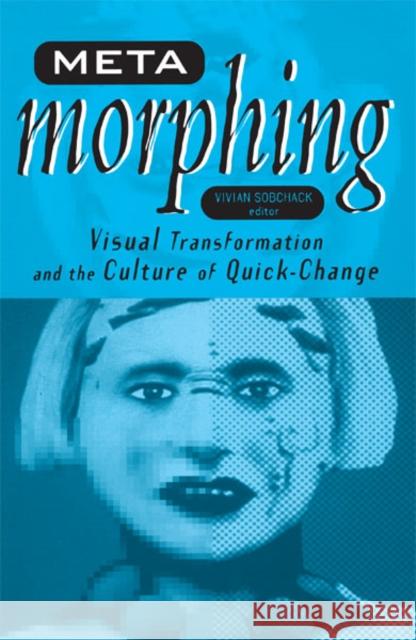
Two thousand years ago, Ovid asked his readers to imagine metamorphoses in which men and women became flowers and beasts. Today, before our cinema-savvy eyes, people melt and re-form as altogether new creatures: they "morph." This volume explores what digital morphing means -- both as a cultural practice specific to our times and as a link to a much broader history of images of human transformation.
Meta-Morphing ranges over topics that include turn-of-the-century "quick-change" artists, Mesoamerican shamanic transformation, and cosmetic surgery; recent works such as Terminator 2, Star...
Two thousand years ago, Ovid asked his readers to imagine metamorphoses in which men and women became flowers and beasts. Today, before our cinema-sav...