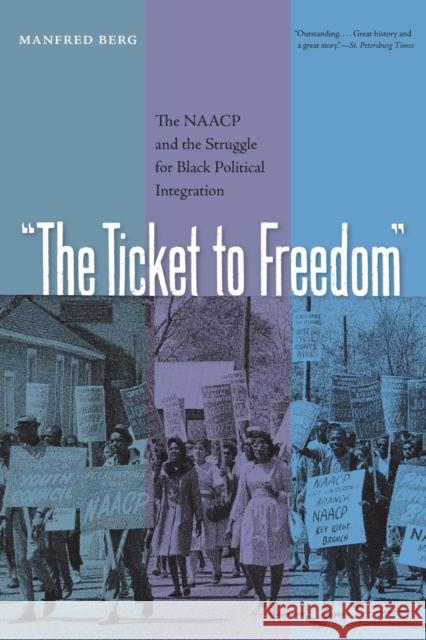
After many years of neglect and misplaced criticism by contemporary activists, historians and the media, Berg restores the NAACP to its rightful place at the heart of the civil rights movement. Where others have dismissed the NAACP s goals and methods as half-hearted, ineffective and irrelevant, Berg challenges the legalistic and bureaucratic image of the NAACP and reveals a resourceful, dynamic, and politically astute organization that did much to open up the electoral process to greater black participation.Readers interested in the African American freedom struggle will find a nuanced and...
After many years of neglect and misplaced criticism by contemporary activists, historians and the media, Berg restores the NAACP to its rightful place...
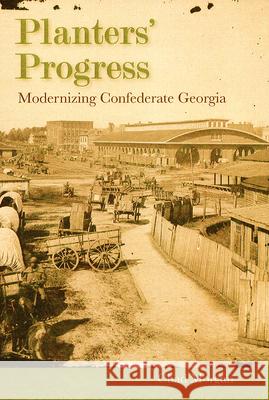
Planters' Progress is the first book to examine the profoundly transformative industrialization of a southern state during the Civil War. More than any other Confederate state, Georgia mixed economic modernization with a large and concentrated slave population. In this pathbreaking study, Chad Morgan shows that Georgia's remarkable industrial metamorphosis had been a long-sought goal of the state's planter elite. Georgia's industrialization, underwritten by the Confederate government, changed southern life fundamentally. A constellation of state-owned factories in Atlanta, Augusta,...
Planters' Progress is the first book to examine the profoundly transformative industrialization of a southern state during the Civil War. More ...
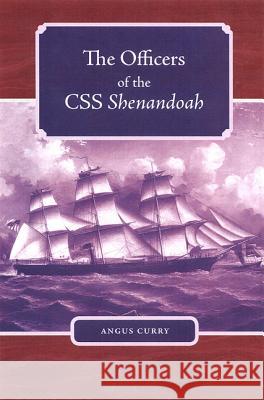
The Confederate Steam Ship Shenandoah is renowned as the last vessel to surrender after the Civil War, and the young officers on board who didn t learn of the war s end for three months consequently suffered extraordinary physical and emotional stress. This first-hand account of the crew s hazardous last year, told through shipboard diaries and postwar journals, reveals the heavy personal toll they paid during the cruiser s transition from commissioned commerce raider to hunted fugitive.Many of the Shenandoah s officers had resigned commissions in the United States Navy to fight...
The Confederate Steam Ship Shenandoah is renowned as the last vessel to surrender after the Civil War, and the young officers on board who didn...
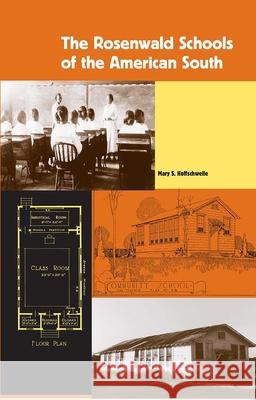
Hoffschwelle tells the story of a remarkable partnership to build model schools for black children during the Jim Crow era in the South. The Rosenwald program, which erected more than 5,300 schools and auxiliary buildings between 1912 and 1932, began with Booker T. Washington, then principal of Tuskegee Institute, who turned for financing to Julius Rosenwald, president of Sears, Roebuck & Company. By requiring communities to raise matching funds, the two men inspired a grassroots movement that built schools in 15 southern states. The Rosenwald schools, scores of which still stand, exemplified...
Hoffschwelle tells the story of a remarkable partnership to build model schools for black children during the Jim Crow era in the South. The Rosenwald...
James David Glunt Ulrich Bonnell Phillips John David Smith
This re-issue of the classic 1927 documentary edition by historian Ulrich Bonnell Phillips and his doctoral student, James David Glunt, features a new introduction by John David Smith about its publishing history, its editors, and its scholarly value to southern historiography. Originally published by the Missouri Historical Society, it documents the plantation records of George Noble Jones and his two Florida plantations, El Destino and Chemonie, both located near Tallahassee, Florida.Considered one of the most accurate and comprehensive accounts of plantation management ever...
This re-issue of the classic 1927 documentary edition by historian Ulrich Bonnell Phillips and his doctoral student, James David Glunt, features a new...
This memoir by Freeman Sparks Bowley, a young white officer who served as a lieutenant in a regiment of U.S. Colored Troops in the Union Army, is the work of a superb storyteller who describes how his Civil War experiences transformed him from a callow youth into an honorable man. Describing in detail his relationship with the men in his company, Bowley extols the role of black soldiers and their officers in the Union victory. Bowley s service in the Union Army began when his regiment joined Grant s 1864 Overland Campaign. His courage was tested at the battles of the Wilderness and the...
This memoir by Freeman Sparks Bowley, a young white officer who served as a lieutenant in a regiment of U.S. Colored Troops in the Union Army, is the ...
Born a slave in 1850s South Carolina and elected to Congress in the 1890s, George W. Murray appeared to be the antithesis of the African American male in the Jim Crow South and served as a beacon for African Americans who saw their hopes crushed in the aftermath of the Civil War. Early in the twentieth century, however, tragically defeated by corrupt Reconstruction politics and white supremacist attitudes he could not escape, Murray was driven from office and from the state. Drawing on extensive research to reconstruct Murray s life story, Marszalek defines an age and its people through the...
Born a slave in 1850s South Carolina and elected to Congress in the 1890s, George W. Murray appeared to be the antithesis of the African American male...
Focusing on the NAACP's campaign for voting rights, Manfred Berg challenges the legalistic and bureaucratic image of the NAACP and reveals a resourceful, dynamic, and politically astute organization that did much to open up the electoral process to greater black participation."
Focusing on the NAACP's campaign for voting rights, Manfred Berg challenges the legalistic and bureaucratic image of the NAACP and reveals a re...
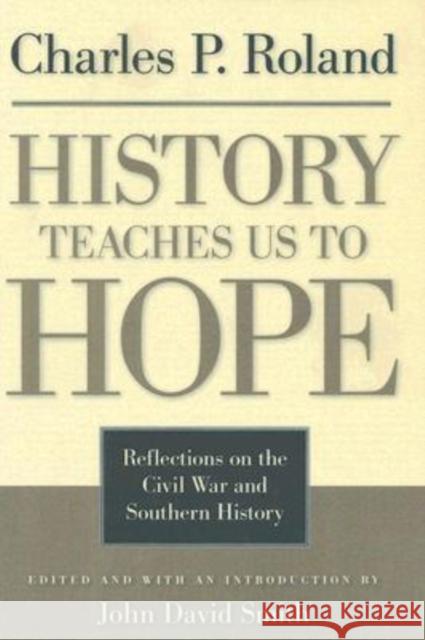
Before his death in 1870, Robert E. Lee penned a letter to Col. Charles Marshall in which he argued that we must cast our eyes backward in times of turmoil and change, concluding that "it is history that teaches us to hope." Charles Pierce Roland, one of the nation's most distinguished and respected historians, has done exactly that, devoting his career to examining the South's tumultuous path in the years preceding and following the Civil War. History Teaches Us to Hope: Reflections on the Civil War and Southern History is an unprecedented compilation of works by the man the volume editor...
Before his death in 1870, Robert E. Lee penned a letter to Col. Charles Marshall in which he argued that we must cast our eyes backward in times of...
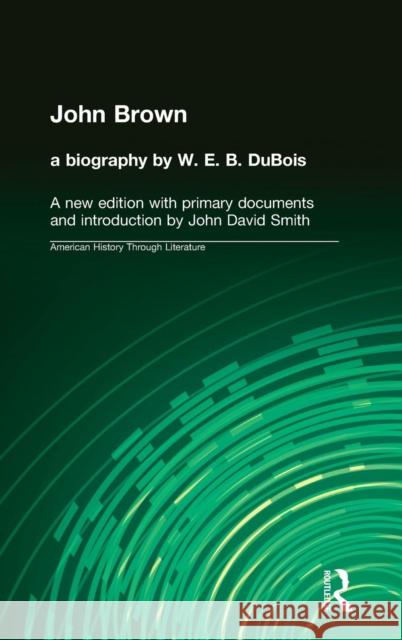
First published in 1909, W.E.B. Du Bois's biography of abolitionist John Brown is a literary and historical classic. With a rare combination of scholarship and passion, Du Bois defends Brown against all detractors who saw him as a fanatic, fiend, or traitor. Brown emerges as a rich personality, fully understandable as an unusual leader with a deeply religious outlook and a devotion to the cause of freedom for the slave.
This new edition is enriched with an introduction by John David Smith and with supporting documents relating to Du Bois's correspondence with his publisher.
First published in 1909, W.E.B. Du Bois's biography of abolitionist John Brown is a literary and historical classic. With a rare combination of schola...