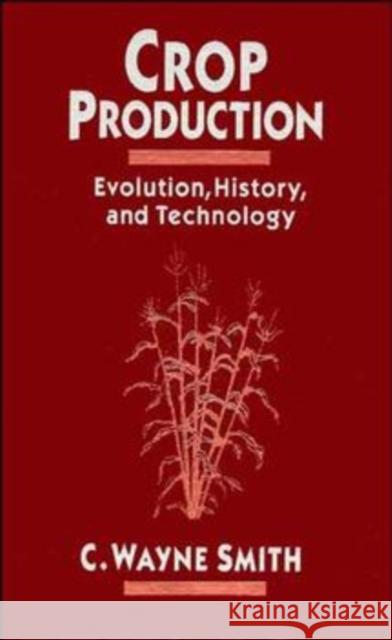
This book deals with the agronomy of the eight major grain, fiber and oilseed row crops produced in the United States: Corn, Wheat, Grain Sorghum, Barley, Rice, Cotton, Soybeans, and Peanuts. For each crop, Dr. Smith presents a structured discussion of: the types of cultivars, the history of the crop, its uses and processing, a detailed discussion of how to plant and grow the crop, the pests and problems involved, and the harvesting, grading and marketing practices.
This book deals with the agronomy of the eight major grain, fiber and oilseed row crops produced in the United States: Corn, Wheat, Grain Sorghum, Bar...
"Making Six Sigma Last is the most practical and helpful resource that I have seen on this subject. George's charisma and charm spill over into this interesting and entertaining book. Using one of George's many analogies, 'this is an upper-deck shot, ' and combined with his first book should become the benchmark for Six Sigma learning."-Dan Porter, Chairman and CEO, Wells Fargo Financial
"An energetic, step-by-step exploration filled with interesting and entertaining examples of real-world business experiences. Making Six Sigma Last is a powerful action plan for managers...
"Making Six Sigma Last is the most practical and helpful resource that I have seen on this subject. George's charisma and charm spill over into this i...
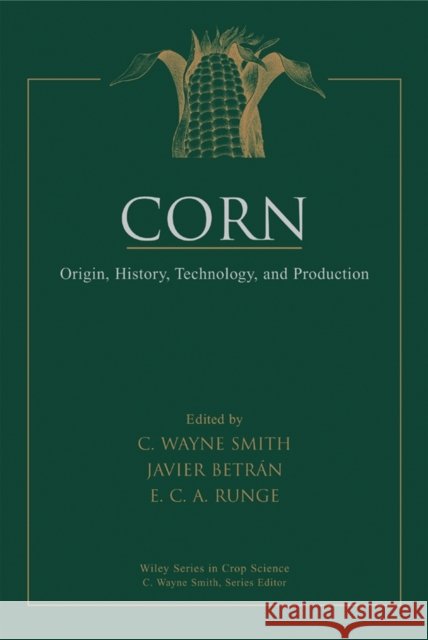
Your all-in-one guide to corn. This book provides practical advice on planting techniques and rates, seed production, treating plant diseases, insect infestation and weeds, harvesting, processing, and worldwide utilization. This is the fourth, and final, volume in the series of comprehensive references on the major crops of the world.
Covers new biotechnology techniques for plant breeding and pest management
Provides practical advice on planting techniques and rates, seed production, treating plant diseases, insect infestation and weeds, harvesting, processing and worldwide...
Your all-in-one guide to corn. This book provides practical advice on planting techniques and rates, seed production, treating plant diseases, insect ...
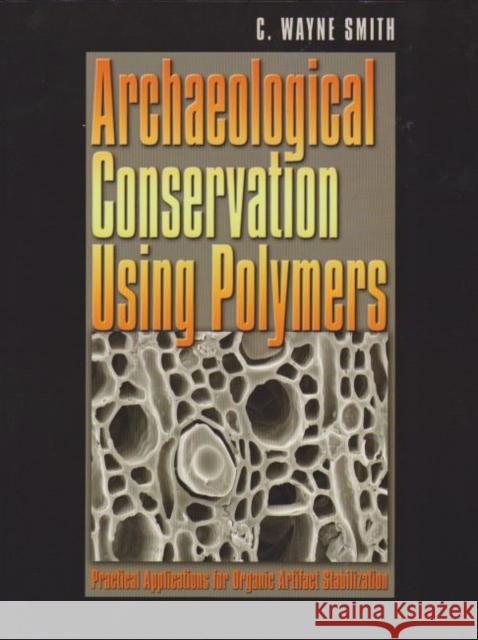
Over the years, archaeologists have developed a number of techniques for conserving historical artifacts for future generations. Along with these techniques, researchers have developed a series of ethical principles for treating materials in a way that allows them to be not only observed and analyzed for the present, but also in re-studied in the future. Conservation techniques used up to now, however, have provided artifacts only a limited lifespan, and in some cases they do not work well with water-logged materials. Within the past few years, archaeological chemistry and concerns of...
Over the years, archaeologists have developed a number of techniques for conserving historical artifacts for future generations. Along with these tech...