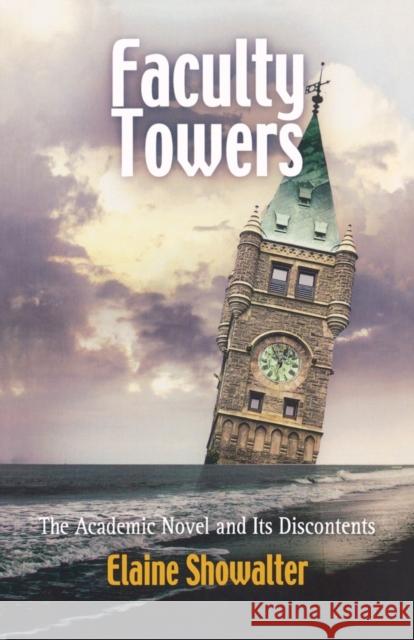
"I have been a character in academic fiction at least twice," Elaine Showalter writes, "once a voluptuous, promiscuous, drug-addicted bohemian, once a prudish, dumpy, judgmental frump. I hope I am not too easily identified in either of these guises . . . although I can tell you that I preferred being cast as the luscious Concord grape to my role as the withered prune."
In the days before there were handbooks, self-help guides, or advice columns for graduate students and junior faculty, there were academic novels teaching us how a proper professor should speak, behave, dress, think,...
"I have been a character in academic fiction at least twice," Elaine Showalter writes, "once a voluptuous, promiscuous, drug-addicted bohemian, onc...
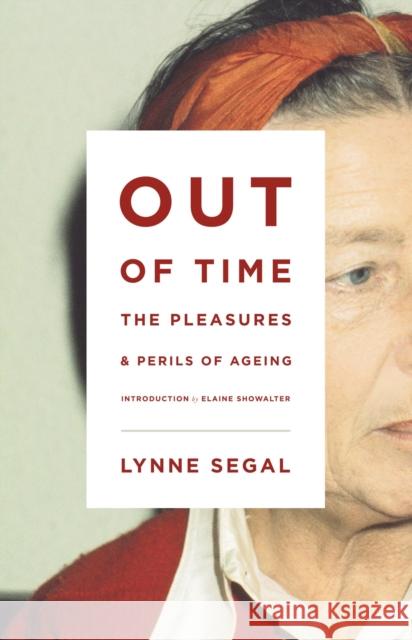
A brave book with a polemical argument on the paradoxes, struggles and advantages of aging. How old am I? Don't ask, don't tell. As the baby boomers approach their sixth or seventh decade, they are faced with new challenges and questions of politics and identity. In the footsteps of Simone de Beauvoir, Out of Time looks at many of the issues facing the aged--the war of the generations and baby-boomer bashing, the politics of desire, the diminished situation of the older woman, the space on the left for the presence and resistance of the old, the problems of dealing with loss...
A brave book with a polemical argument on the paradoxes, struggles and advantages of aging. How old am I? Don't ask, don't tell. As the bab...
In France between 1641 and 1782 the romance developed into the novel. Mr. Showalter's intensive study of the novel, particularly during the critical period 1700-1720, shows that an important movement toward nineteenth century realism was taking place. To trace this development the author has selected five phenomena--time, space, names, money, and the narrator--and follows their treatment throughout the period to show why romance tended toward the novel.
To show the working-out of these ideas there is a detailed analysis of one novel, Robert Challe's Les Illustres Francoises,...
In France between 1641 and 1782 the romance developed into the novel. Mr. Showalter's intensive study of the novel, particularly during the critica...
In France between 1641 and 1782 the romance developed into the novel. Mr. Showalter's intensive study of the novel, particularly during the critical period 1700-1720, shows that an important movement toward nineteenth century realism was taking place. To trace this development the author has selected five phenomena--time, space, names, money, and the narrator--and follows their treatment throughout the period to show why romance tended toward the novel.
To show the working-out of these ideas there is a detailed analysis of one novel, Robert Challe's Les Illustres Francoises,...
In France between 1641 and 1782 the romance developed into the novel. Mr. Showalter's intensive study of the novel, particularly during the critica...
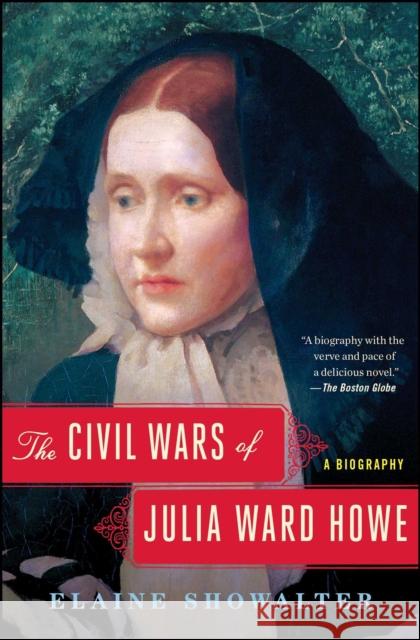
This "lively biography" (The New Yorker) is the first to tell the story of Julia Ward Howe as a powerful feminist pioneer. Julia Ward (1819-1910) was an heiress who married a handsome accomplished doctor who worked with the blind and deaf. But Samuel Howe wasted her inheritance, mistreated and belittled her, and tried to stifle her intellect and freedom. Nevertheless Julia persisted and wrote poetry and a mildly shocking sexual novel that was published to good reviews. She also wrote the words to probably the most famous anthem in the country's history--the Civil War anthem,...
This "lively biography" (The New Yorker) is the first to tell the story of Julia Ward Howe as a powerful feminist pioneer. Julia Ward (1819...