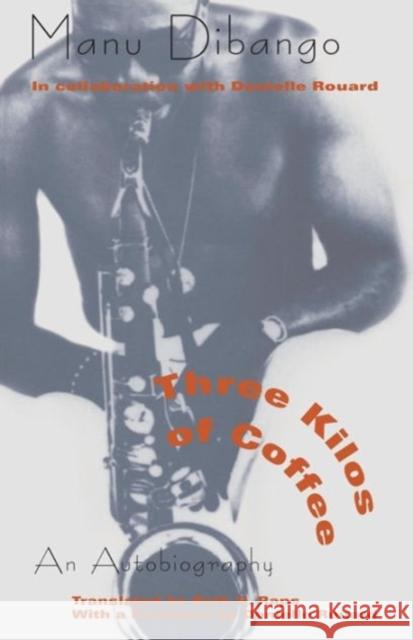
In 1948, at the age of fifteen, Manu Dibango left Africa for France, bearing three kilos of coffee for his adopted family and little else. This book chronicles Manu Dibango's remarkable rise from his birth in Douala, Cameroon, to his worldwide success-with "Soul Makossa" in 1972-as the first African musician ever to record a top 40s hit. Composer, producer, performer, film score writer and humanitarian for the poor, Manu Dibango defines the "African sound" of modern world music. He has worked with and influenced such artists as Art Blakey, Don Cherry, Herbie Hancock, Harry Belafonte,...
In 1948, at the age of fifteen, Manu Dibango left Africa for France, bearing three kilos of coffee for his adopted family and little else. This book c...
In 1948, at the age of fifteen, Manu Dibango left Africa for France, bearing three kilos of coffee for his adopted family and little else. This book chronicles Manu Dibango's remarkable rise from his birth in Douala, Cameroon, to his worldwide success with "Soul Makossa" in 1972 as the first African musician ever to record a top 40s hit. Composer, producer, performer, film score writer and humanitarian for the poor, Manu Dibango defines the "African sound" of modern world music. He has worked with and influenced such artists as Art Blakey, Don Cherry, Herbie Hancock, Harry Belafonte, Paul...
In 1948, at the age of fifteen, Manu Dibango left Africa for France, bearing three kilos of coffee for his adopted family and little else. This book c...
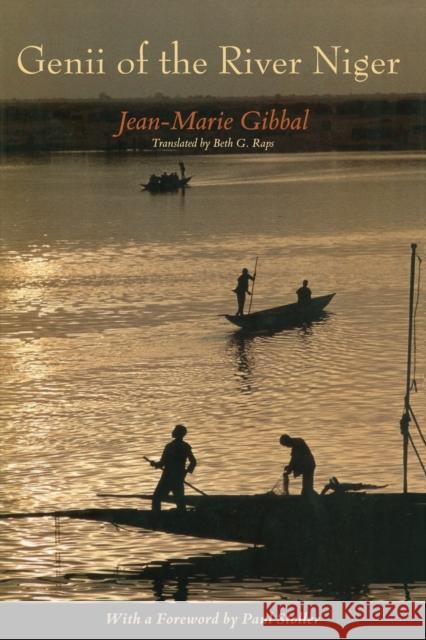
The river Niger, a source of life and danger for the people in impoverished eastern Mali, is also the origin of elaborate mythology. From his travels through Mali and down the Niger in a dugout canoe, Jean-Marie Gibbal has created a personal documentary of the cultures of the region. The result is at once an ethnography of cultures in crisis and a poetic evocation of the environment and people he encountered. Gibbal portrays the river as the dominant, cohesive force among people in the face of social and environmental strife. He focuses on the "Ghimbala" healing cult, which centers on the...
The river Niger, a source of life and danger for the people in impoverished eastern Mali, is also the origin of elaborate mythology. From his travels ...
The river Niger, a source of life and danger for the people in impoverished eastern Mali, is also the origin of elaborate mythology. From his travels through Mali and down the Niger in a dugout canoe, Jean-Marie Gibbal has created a personal documentary of the cultures of the region. The result is at once an ethnography of cultures in crisis and a poetic evocation of the environment and people he encountered. Gibbal portrays the river as the dominant, cohesive force among people in the face of social and environmental strife. He focuses on the Ghimbala healing cult, which centers...
The river Niger, a source of life and danger for the people in impoverished eastern Mali, is also the origin of elaborate mythology. From his travels ...
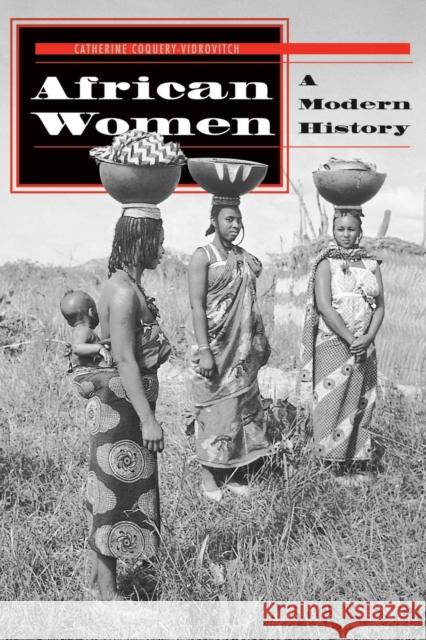
Over the last century, the social and economic roles played by African women have evolved dramatically. Long confined to home and field, overlooked by their menfolk and missionaries alike, African women worked, thought, dreamed, and struggled. They migrated to the cities, invented new jobs, and activated the so-called informal economy to become Africa's economic and social focal point. As a result, despite their lack of education and relatively low status, women are now Africa's best hope for the future.This sweeping and innovative book is the first to reconstruct the full history of women in...
Over the last century, the social and economic roles played by African women have evolved dramatically. Long confined to home and field, overlooked by...