The young George Hatem journeyed to Shanghai in 1933 to practice medicine and see the sights. The deplorable health and social conditions he found there caused his sympathies to veer quickly to the revolutionary efforts of the Chinese Communist party, and before long he joined the underground Party members in conspiratorial meetings and activities. In 1936 he left Shanghai on a secret Province after completing the Long March. For the next 14 years, Hatem served the Communist troops as physician and adviser. He took the name Ma Haide and became the first foreigner admitted into China's...
The young George Hatem journeyed to Shanghai in 1933 to practice medicine and see the sights. The deplorable health and social conditions he found the...
The young George Hatem journeyed to Shanghai in 1933 to practice medicine and see the sights. The deplorable health and social conditions he found there caused his sympathies to veer quickly to the revolutionary efforts of the Chinese Communist party, and before long he joined the underground Party members in conspiratorial meetings and activities. In 1936 he left Shanghai on a secret Province after completing the Long March. For the next 14 years, Hatem served the Communist troops as physician and adviser. He took the name Ma Haide and became the first foreigner admitted into China's...
The young George Hatem journeyed to Shanghai in 1933 to practice medicine and see the sights. The deplorable health and social conditions he found the...
Since 1979, thousands of Westerners have been entering China. These include numbers of foreign teachers who have been invited by the Chinese to observe and participate in the educational system. Why were they invited? And just what did the foreign teachers expect to contribute? In "Foreign Teachers in China," Edgar A. Porter addresses and explores these and other questions. Although the events surrounding June 4, 1989 have brought many more issues and realities to light, the book seeks to present the ten-year period of East-West relationships, beginning in 1979, and tests Jonathan Spence's...
Since 1979, thousands of Westerners have been entering China. These include numbers of foreign teachers who have been invited by the Chinese to obs...
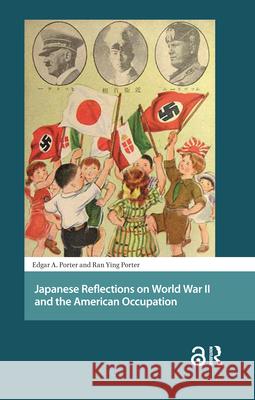
This book presents an unforgettable up-close account of the effects of World War II and the subsequent American occupation on Oita prefecture, through firsthand accounts from more than forty Japanese men and women who lived there. The interviewees include students, housewives, nurses, midwives, teachers, journalists, soldiers, sailors, Kamikaze pilots, and munitions factory workers. Their stories range from early, spirited support for the war through the devastating losses of friends and family members to air raids and into periods of hunger and fear of the American occupiers. The personal...
This book presents an unforgettable up-close account of the effects of World War II and the subsequent American occupation on Oita prefecture, through...