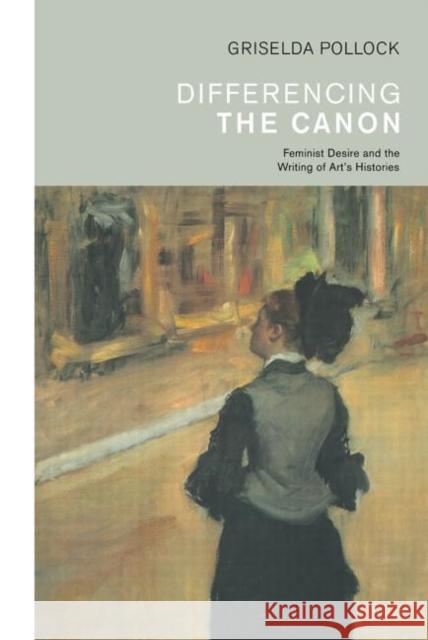
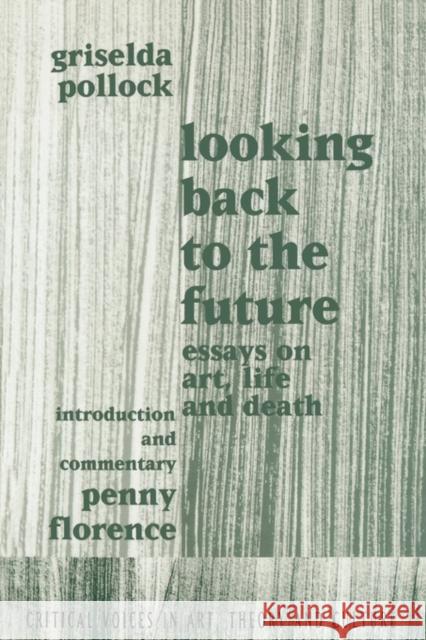
In this text, art historian Griselda Pollock makes an intervention into the debate on whether the traditional canon of the Old Masters be rejected, replaced or reformed What difference can a feminist approach to art history make? The book moves between feminist re-readings of modern masters - Van Gogh, Toulouse-Lautrec and Manet - and the canonical artists of feminist art history Artemisia Gentileschi and Mary Cassatt. Pollock asks both how women read and what might be different about art made by a woman. She unpacks the representation of culturally resonant female figures in a range of...
In this text, art historian Griselda Pollock makes an intervention into the debate on whether the traditional canon of the Old Masters be rejected, re...
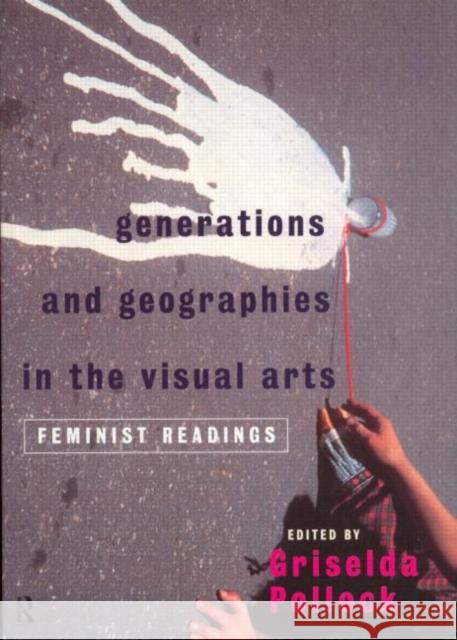
This text brings together a collection of artists, curators, critics and researchers to consider the question of sexual difference and its significance in the production and reception of visual representation by women artists. Generations indicates a sense of awareness of the historical and political positioning of women whereas Geographies calls attention to their location in terms of nationality, imperialism, migration, exile, diaspora and social difference. Drawing on a range of current theoretical perspectives, works by women artists of the 20th century are examined in terms of themes...
This text brings together a collection of artists, curators, critics and researchers to consider the question of sexual difference and its significanc...
This text brings together a collection of artists, curators, critics and researchers to consider the question of sexual difference and its significance in the production and reception of visual representation by women artists. Generations indicates a sense of awareness of the historical and political positioning of women whereas Geographies calls attention to their location in terms of nationality, imperialism, migration, exile, diaspora and social difference. Drawing on a range of current theoretical perspectives, works by women artists of the 20th century are examined in terms of themes...
This text brings together a collection of artists, curators, critics and researchers to consider the question of sexual difference and its significanc...
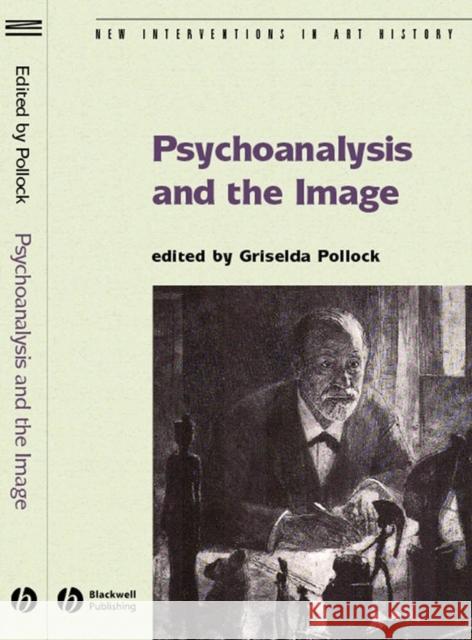
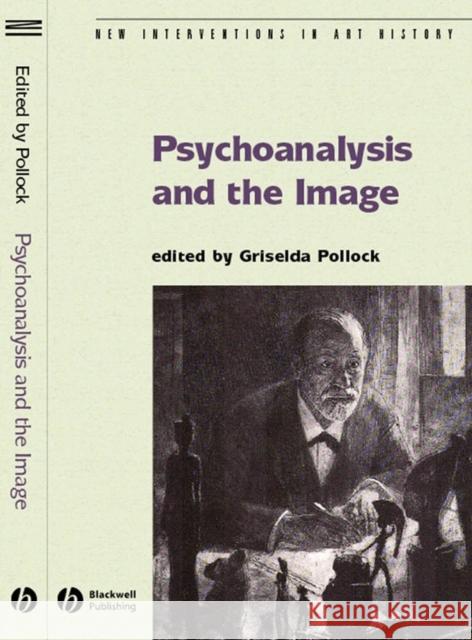
Psychoanalysis and the Image brings together an influential team of international scholars who demonstrate innovative ways to apply psychoanalytical resources in the study of international modern art and visual representation.
Examines psychoanalytic concepts, values, debates and controversies that have been hallmarks of visual representation in the modern and contemporary periods
Covers topics including melancholia, sex, and pathology to the body, and parent-child relations
Advances theoretical debates in art history while...
Psychoanalysis and the Image brings together an influential team of international scholars who demonstrate innovative ways to apply psychoanaly...
Psychoanalysis and the Image brings together an influential team of international scholars who demonstrate innovative ways to apply psychoanalytical resources in the study of international modern art and visual representation.
Examines psychoanalytic concepts, values, debates and controversies that have been hallmarks of visual representation in the modern and contemporary periods
Covers topics including melancholia, sex, and pathology to the body, and parent-child relations
Advances theoretical debates in art history while...
Psychoanalysis and the Image brings together an influential team of international scholars who demonstrate innovative ways to apply psychoanaly...
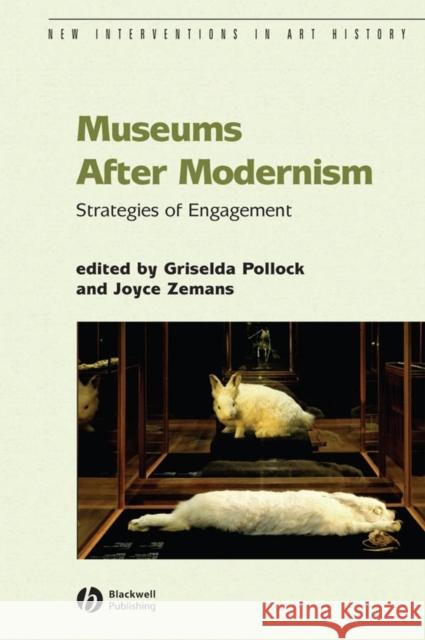
Museums After Modernism is a unique collectionthat showcases the ways questions about the museum go to the heart of contemporary debates about the production, consumption and distribution of art. The book features expert artists, curators and art historians who grapple with many of the vibrant issues in museum studies, while paying homage to a new museology that needs to be considered.
Examines the key contemporary debates in museum studies
Includes original essays by noted artists, curators, and art historians
Engages with vital issues in the practice of...
Museums After Modernism is a unique collectionthat showcases the ways questions about the museum go to the heart of contemporary debates about ...
Museums After Modernism is a unique collectionthat showcases the ways questions about the museum go to the heart of contemporary debates about the production, consumption and distribution of art. The book features expert artists, curators and art historians who grapple with many of the vibrant issues in museum studies, while paying homage to a new museology that needs to be considered.
Examines the key contemporary debates in museum studies
Includes original essays by noted artists, curators, and art historians
Engages with vital issues in the practice of...
Museums After Modernism is a unique collectionthat showcases the ways questions about the museum go to the heart of contemporary debates about ...
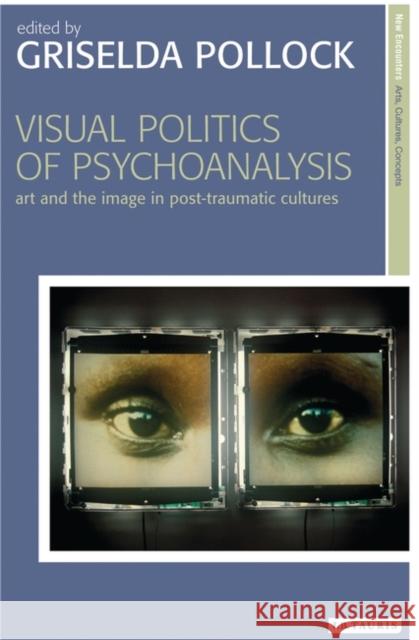
In this innovative collection, a distinguished group of international authors dare to think psychoanalytically about the legacies of political violence and suffering in relation to post-traumatic cultures worldwide. They build on maverick art historian Aby Warburg's project of combining social, cultural, anthropological and psychological analyses of the image in order to track the undercurrents of cultural violence in the representational repertoire of Western modernity. Drawing on post-colonial and feminist theory, they analyze the image and the aesthetic in conditions of historical trauma,...
In this innovative collection, a distinguished group of international authors dare to think psychoanalytically about the legacies of political violenc...
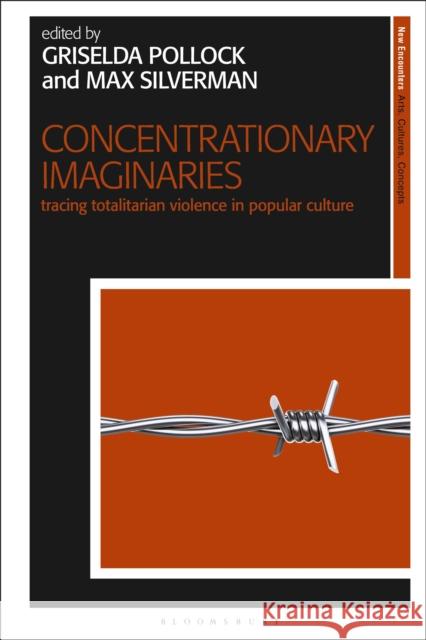
In 1945, French political prisoners returning from the concentration camps of Germany coined the phrase the concentrationary universe to describe the camps as a terrible political experiment in the destruction of the human. This book shows how the unacknowledged legacy of a totalitarian mentality has seeped into the deepest recesses of everyday popular culture. It asks if the concentrationary now infests our cultural imaginary, normalizing what was once considered horrific and exceptional by transforming into entertainment violations of human life. Drawing on the political philosophy of...
In 1945, French political prisoners returning from the concentration camps of Germany coined the phrase the concentrationary universe to describe the ...