"An updated edition of a seminal work on the history of land ownership in the Southwest"
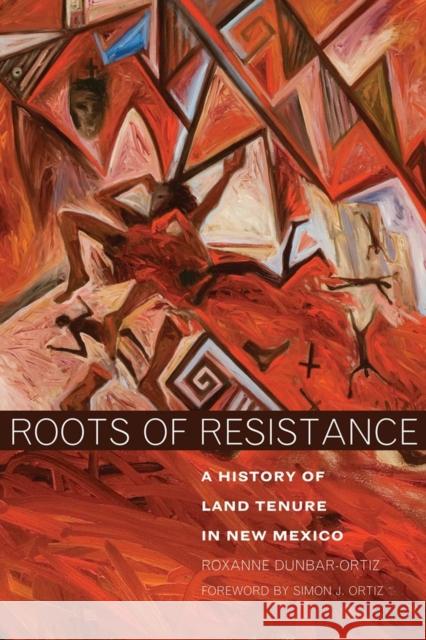
In New Mexicoonce a Spanish colony, then part of MexicoPueblo Indians and descendants of Spanish- and Mexican-era settlers still think of themselves as distinct peoples, each with a dynamic history. At the core of these persistent cultural identities is each group s historical relationship to the others and to the land, a connection that changed dramatically when the United States wrested control of the region from Mexico in 1848.
In "Roots of Resistance"now offered in an updated paperback...
"An updated edition of a seminal work on the history of land ownership in the Southwest"
In New Mexicoonce a Spanish colony, then part of MexicoP...
"What I do as a writer, teacher, and storyteller is to demystify language," says Simon Ortiz. Widely regarded as one of the country's most important Native American poets, Ortiz has led a thirty-year career marked by a fascination with language--and by a love of his people. This omnibus of three previous works offers old and new readers an appreciation of the fruits of his dedication. Going for the Rain (1976) expresses closeness to a specific Native American way of life and its philosophy and is structured in the narrative form of a journey on the road of life. A Good...
"What I do as a writer, teacher, and storyteller is to demystify language," says Simon Ortiz. Widely regarded as one of the country's most impo...
Highway 18 between Mission and Okreek, South Dakota, is a stretch of no more than eighteen miles, but late at night or in a blizzard it seems endless. "It feels like being somewhere between South Dakota and 'there, '" says Simon Ortiz, "perhaps at the farthest reaches of the galaxy." Acoma Pueblo poet Ortiz spent a winter in South Dakota, teaching at Sinte Gleska College on the Rosebud Lakota Sioux Reservation. The bitter cold and driving snow of a prairie winter were a reality commanding his attention through its absolute challenge to survival and the meaning of survival. ...
Highway 18 between Mission and Okreek, South Dakota, is a stretch of no more than eighteen miles, but late at night or in a blizzard it seems ...
Now it is my turn to stand. At Acoma Pueblo meetings, members rise and announce their intention to speak. In that moment they are recognized and heard. In Speaking for the Generations, Acoma Pueblo poet Simon Ortiz brings together contemporary Native American writers to take their turn. Each offers an evocation of herself or himself, describing the personal, social, and cultural influences on her or his development as a writer. Although each writer's viewpoint is personal and unique, together they reflect the rich tapestry of today's Native literature. Of varied...
Now it is my turn to stand. At Acoma Pueblo meetings, members rise and announce their intention to speak. In that moment they are recogn...
When Faustin, the old Acoma, is given his first television set, he considers it a technical wonder, a box full of mystery. What he sees on its screen that first day, however, is even more startling than the television itself: men have landed on the moon. Can this be real? For Simon Ortiz, Faustin's reaction proves that tales of ordinary occurrences can truly touch the heart. "For me," he observes, "there's never been a conscious moment without story." Best known for his poetry, Ortiz also has authored 26 short stories that have won the hearts of readers through the years. Men...
When Faustin, the old Acoma, is given his first television set, he considers it a technical wonder, a box full of mystery. What he sees on its...
The massacre of Cheyenne and Arapaho women and children by U.S. soldiers at Sand Creek in 1864 was a shameful episode in American history, and its battlefield was proposed as a National Historic Site in 1998 to pay homage to those innocent victims. Poet Simon Ortiz had honored those people seventeen years earlier in his own way. That book, from Sand Creek, is now back in print. Originally published in a small-press edition, from Sand Creek makes a large statement about injustices done to Native peoples in the name of Manifest Destiny. It also makes poignant reference...
The massacre of Cheyenne and Arapaho women and children by U.S. soldiers at Sand Creek in 1864 was a shameful episode in American history, and ...
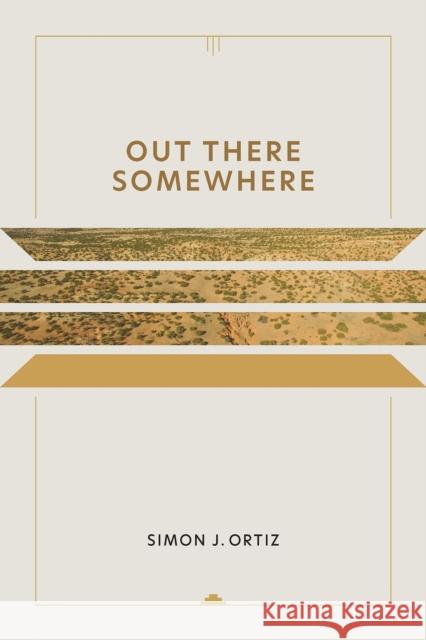
He has been out there somewhere for a while now, a poet at large in America. Simon Ortiz, one of our finest living poets, has been a witness, participant, and observer of interactions between the Euro-American cultural world and that of his Native American people for many years. In this collection of haunting new work, he confronts moments and instances of his personal past--and finds redemption in the wellspring of his culture. A writer known for deeply personal poetry, Ortiz has produced perhaps his most personal work to date. In a collage of journal entries, free-verse...
He has been out there somewhere for a while now, a poet at large in America. Simon Ortiz, one of our finest living poets, has been a witne...
Around the turn of the twentieth century, most photographs of Indians pandered to shameless, insensitive stereotypes. In contrast, photographic portraits made by Frank A. Rinehart conveyed the dignity and pride of Native peoples.More than 545 Native Americans representing tribes from all over the country attended the Trans-Mississippi and International Exposition in Omaha in 1898 to be part of an event known as the Indian Congress. Rinehart, the exposition s official photographer, and his assistant Adolph Muhr made more than 500 glass-plate negatives depicting Native Americans in...
Around the turn of the twentieth century, most photographs of Indians pandered to shameless, insensitive stereotypes. In contrast, photographi...