Although conventional wisdom holds that there's no such thing as "Jewish Medicine," Dr. Nevins disagrees, suggesting it's not so much what Jewish doctors have done as why. For example, in premodern times Jewish doctors viewed their work as a sacred calling in collaboration with God. Later, there often was a perception that Jewish doctors practiced differently because they were familiar with mystical and magical techniques. While many Jewish physicians through the ages have been inspired by such values as selflessness, compassion and profound respect for life itself, contemporary medicine...
Although conventional wisdom holds that there's no such thing as "Jewish Medicine," Dr. Nevins disagrees, suggesting it's not so much what Jewish doct...
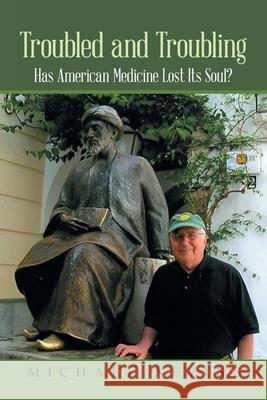
Although conventional wisdom holds that there's no such thing as "Jewish Medicine," Dr. Nevins disagrees, suggesting it's not so much what Jewish doctors have done as why. For example, in premodern times Jewish doctors viewed their work as a sacred calling in collaboration with God. Later, there often was a perception that Jewish doctors practiced differently because they were familiar with mystical and magical techniques. While many Jewish physicians through the ages have been inspired by such values as selflessness, compassion and profound respect for life itself, contemporary medicine...
Although conventional wisdom holds that there's no such thing as "Jewish Medicine," Dr. Nevins disagrees, suggesting it's not so much what Jewish doct...
When Abraham Flexner died in 1959 at age 92, a New York Times obituary declared, "no other American of his time contributed more to the welfare of his country and of humanity in general." Flexner's famous Report in 1910 and his subsequent work at the Rockefeller Foundation helped transform American medical education from crude to world leader. Later, as founding director of the Institute for Advanced Study he attracted Albert Einstein and other luminaries to Princeton. Notwithstanding these achievements, Flexner was hypercritical of others, often abrasive, and his self-assurance irritated...
When Abraham Flexner died in 1959 at age 92, a New York Times obituary declared, "no other American of his time contributed more to the welfare of his...
Book Four in the series Meanderings in Medical History contains seventeen essays about various subjects pertaining to medical history. Each vignette was prompted by something that was relevant to my professional or personal experience. The emphasis is on narrative history, stories of physicians at different times and places. As historian Allan Nevins (no relation) once wrote, "History should be enjoyed, not endured."
Book Four in the series Meanderings in Medical History contains seventeen essays about various subjects pertaining to medical history. Each vignett...