In this text, W. Dale Nelson chronicles the genesis and development of the position of the White House press secretary during the 20th century. He also covers each administration in detail, using newspaper, archival and interview sources.
In this text, W. Dale Nelson chronicles the genesis and development of the position of the White House press secretary during the 20th century. He als...
In this text, W. Dale Nelson sheds light on the history of the presidential retreat Camp David. Using memoirs, archives and interviews, he relates how F.D. Roosevelt selected the site, how Truman made the first improvements and how succeeding chief executives have used the camp's facilities.
In this text, W. Dale Nelson sheds light on the history of the presidential retreat Camp David. Using memoirs, archives and interviews, he relates how...
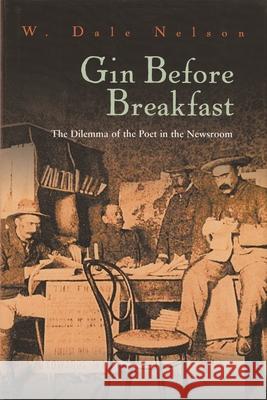
This edifying volume presents mini-biographies of key British and American poets who at one time or another worked as journalists. Poets covered range from the famous to the obscure: Whittier to Whitman, Kipling to Bryant, Coleridge to Crane. Writing in a direct, straightforward style W. Dale Nelson tells each writer s story, often relating how the poet in question felt about the journalistic experience and its impact upon creative work. Archbold MacLeish wrote "young poets are advised by their elders to avoid the practice of journalism as they would set socks and gin before breakfast." On...
This edifying volume presents mini-biographies of key British and American poets who at one time or another worked as journalists. Poets covered ra...
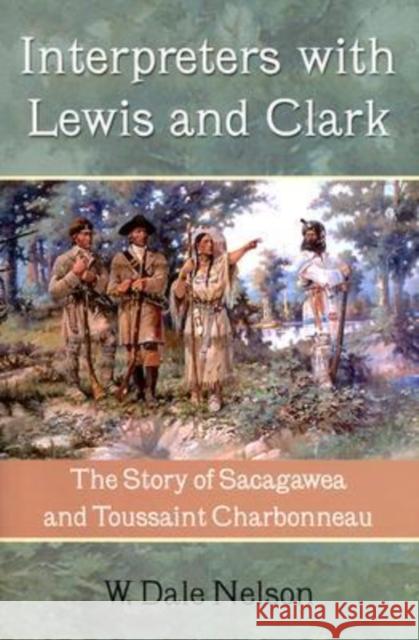
When interpreter Toussaint Charbonneau, a French Canadian fur trader living among the Hidatsas, and his Shoshone Indian wife, Sacagawea, joined the Lewis and Clark expedition in 1804, they headed into country largely unknown to them, as it was to Thomas Jefferson's hand-picked explorers. There is little doubt as to the importance of Sacagawea's presence on the journey. She has become a near-legendary figure for her role as interpreter, guide, and "token of peace." Toussaint, however, has been maligned in both fiction and nonfiction alike--Lewis himself called him "a man of no peculiar merit."...
When interpreter Toussaint Charbonneau, a French Canadian fur trader living among the Hidatsas, and his Shoshone Indian wife, Sacagawea, joined the Le...
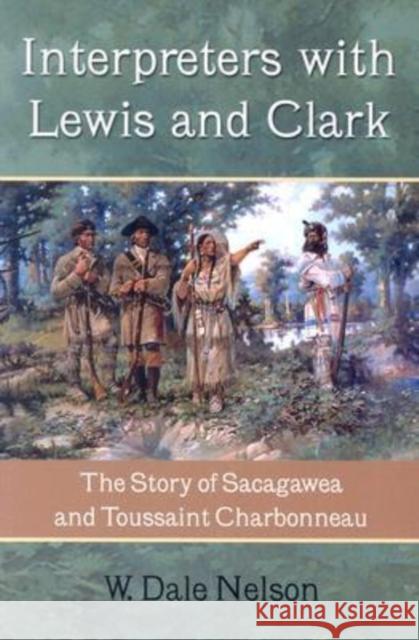
When interpreter Toussaint Charbonneau, a French Canadian fur trader living among the Hidatsas, and his Shoshone Indian wife, Sacagawea, joined the Lewis and Clark expedition in 1804, they headed into country largely unknown to them, as it was to Thomas Jefferson's hand-picked explorers. There is little doubt as to the importance of Sacagawea's presence on the journey. She has become a near-legendary figure for her role as interpreter, guide, and "token of peace." Toussaint, however, has been maligned in both fiction and nonfiction alike--Lewis himself called him "a man of no peculiar merit."...
When interpreter Toussaint Charbonneau, a French Canadian fur trader living among the Hidatsas, and his Shoshone Indian wife, Sacagawea, joined the Le...