This book presents a comprehensive method by which to determine the proportionate share of the costs and revenues generated by the development of new water, wastewater, and stormwater facilities. It presents a rational, legally defensible approach to assessing charges based on the use of new and existing facilities to support new system development. Written by a consultant who has helped hundreds of communities deal with how to pay for growth, the book is designed for all communities presently engaged in calculating and administering charges for new development, as well as those planning for...
This book presents a comprehensive method by which to determine the proportionate share of the costs and revenues generated by the development of new ...
Many communities across the nation still lack affordable housing. And many officials continue to claim that "affordable housing" is an oxymoron. Building inexpensively is impossible, they say, because there are too many regulations. Required environmental impact statements and habitat protection laws, they contend, drive up the costs of construction. But is this actually true? In a comprehensive study of the question, the authors of this eye-opening book separate fact from myth. With admirable clarity, they describe the policy debate from its beginning, review the economic theory, trace the...
Many communities across the nation still lack affordable housing. And many officials continue to claim that "affordable housing" is an oxymoron. Build...
This work provides an overview of various local, regional and state approaches to growth management and an analysis of the applicability of selected growth management techniques. It looks at those practices which are most and least effective.
This work provides an overview of various local, regional and state approaches to growth management and an analysis of the applicability of selected g...
The United States faces enormous changes in the next 25 years. Arthur C. (Chris) Nelson starts this book with a few projections: The population will grow by one-third to 375 million. We will need 60 million new housing units to house these people. There will be 60 percent more jobs, requiring 50 billion additional square feet of nonresidential space. The bottom line is that half of all development in 2030 will have been built since 2000. Nelson estimates the cost of new construction alone to be at least $20 trillion. This book gives planning practitioners a powerful tool to help decide where...
The United States faces enormous changes in the next 25 years. Arthur C. (Chris) Nelson starts this book with a few projections: The population will g...
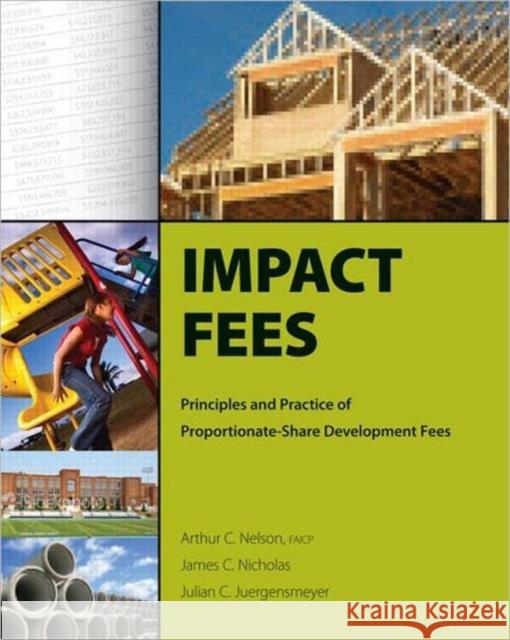
This is the only impact fee book you'll need for the next decade or longer This comprehensive reference book updates the popular, pioneering works on impact fees by introducing new methodologies, concepts, applications, and theories. The authors contend that it's time to go beyond narrowly defined impact fees to proportionate-share development fees broadly applied to publicly provided facilities and services and their operation. Impact fees are one-time charges applied to new development to generate revenue for the construction or expansion of capital facilities outside the boundaries of the...
This is the only impact fee book you'll need for the next decade or longer This comprehensive reference book updates the popular, pioneering works on...