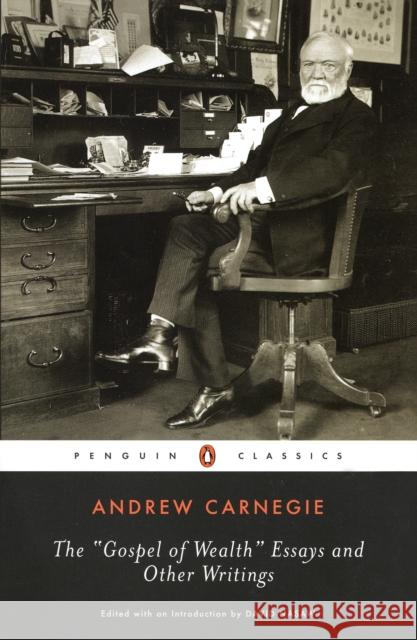
Words of wisdom from American philanthropist Andrew Carnegie Focusing on Carnegie's most famous essay, "The Gospel of Wealth," this book of his writings, published here together for the first time, demonstrates the late steel magnate's beliefs on wealth, poverty, the public good, and capitalism. Carnegie's commitment to ensuring and promoting the welfare of his fellow human beings through philanthropic deeds ranged from donations to universities and museums to establishing more than 2,500 public libraries in the English-speaking world, and he gave away more than $350 million...
Words of wisdom from American philanthropist Andrew Carnegie Focusing on Carnegie's most famous essay, "The Gospel of Wealth," this book o...
'This is history of education in its finest tradition, i.e., education s social history rather than as mere schooling... Carefully researched, well written, and even-handed, Nasaw's book is an important addition to the debate over the evolution of public education in the United States.'
'This is history of education in its finest tradition, i.e., education s social history rather than as mere schooling... Carefully researched, well wr...
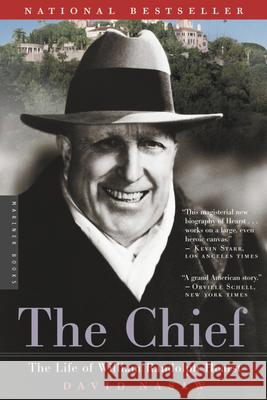
The epic scope of historian Nasaw's award winning biography matches the titanic personality and achievements of William Randolph Hearst (1862-1951), who built the nation's first media conglomerate from a single San Francisco newspaper.
The epic scope of historian Nasaw's award winning biography matches the titanic personality and achievements of William Randolph Hearst (1862-1951), w...
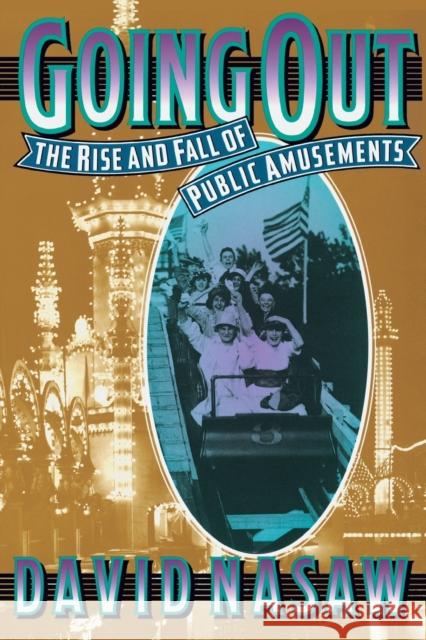
David Nasaw has written a sparkling social history of twentieth-century show business and of the new American public that assembled in the city's pleasure palaces, parks, theaters, nickelodeons, world's fair midways, and dance halls.
The new amusement centers welcomed women, men, and children, native-born and immigrant, rich, poor and middling. Only African Americans were excluded or segregated in the audience, though they were overrepresented in parodic form on stage. This stigmatization of the African American, Nasaw argues, was the glue that cemented an otherwise disparate...
David Nasaw has written a sparkling social history of twentieth-century show business and of the new American public that assembled in the city's p...
The turn of the twentieth century was a time of explosive growth for American cities, a time of nascent hopes and apparently limitless possibilities. In Children of the City, David Nasaw re-creates this period in our social history from the vantage point of the children who grew up then. Drawing on hundreds of memoirs, autobiographies, oral histories and unpublished and until now unexamined primary source materials from cities across the country, he provides us with a warm and eloquent portrait of these children, their families, their daily lives, their fears, and their dreams....
The turn of the twentieth century was a time of explosive growth for American cities, a time of nascent hopes and apparently limitless possibilities. ...