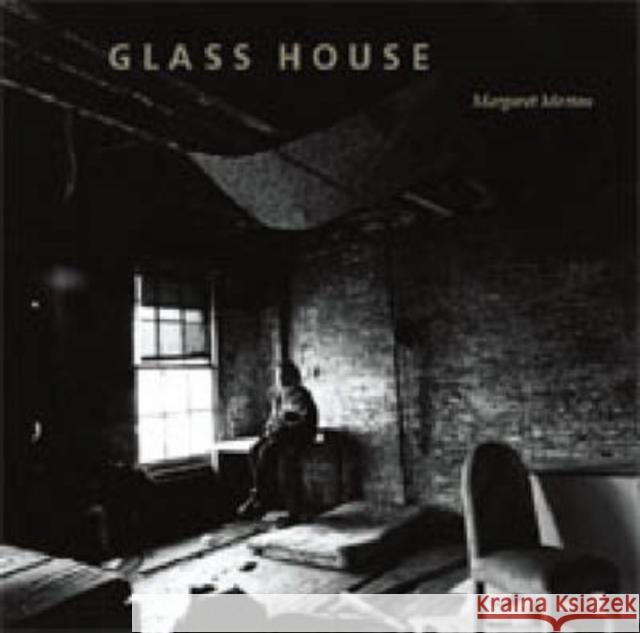
Penn State Press interview with Margaret Morton, March 2004.
Your books--The Tunnel; Fragile Dwelling; Transitory Gardens, Uprooted Lives; and now Glass House--always use a place in their titles and often present photographs of sites throughout New York City. Why these titles? Why so many photographs of the places where the homeless gather to find shelter?
From the beginning, my work was devoted not to despair but rather to the courage and imagination with which people face...
Penn State Press interview with Margaret Morton, March 2004.
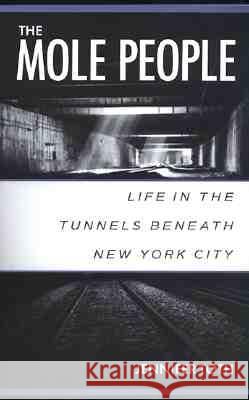
Thousands of people live in the subway, railroad, and sewage tunnels that form the bowels of New York City and this book is about them, the so-called mole people. They live alone and in communities, in subway tunnels and below subway platforms and this fascinating study presents how and why people move underground, who they are, and what they have to say about their lives and the topside world they ve left behind."
Thousands of people live in the subway, railroad, and sewage tunnels that form the bowels of New York City and this book is about them, the so-called ...
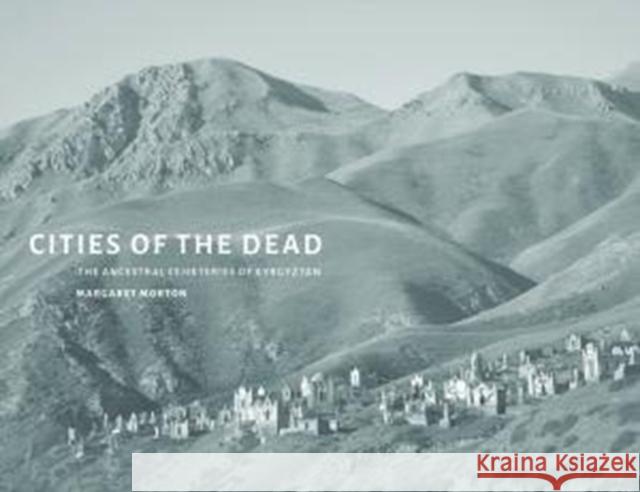
A Kyrgyz cemetery seen from a distance is astonishing. The ornate domes and minarets, tightly clustered behind stone walls, seem at odds with this desolate mountain region. Islam, the prominent religion in the region since the twelfth century, discourages tombstones or decorative markers. However, elaborate Kyrgyz tombs combine earlier nomadic customs with Muslim architectural forms. After the territory was formally incorporated into the Russian Empire in 1876, enamel portraits for the deceased were attached to the Muslim monuments. Yet everything within the walls is overgrown with weeds,...
A Kyrgyz cemetery seen from a distance is astonishing. The ornate domes and minarets, tightly clustered behind stone walls, seem at odds with this ...