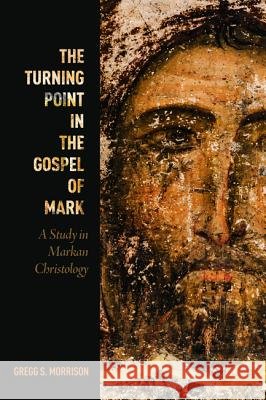
The earliest and briefest of the four Gospels has traditionally been ascribed to a disciple named Mark In some ages it been overshadowed by its lengthier neighbors in the New Testament, but its pages hold rich rewards for those who ask the right questions. Who was "Mark," and what were his purposes--historical, theological, or otherwise? How does he shape his story of Jesus, and what interpretation of the origins of Christianity does that shaping reveal? More particularly, what is his understanding of his central character, Jesus of Nazareth? And finally, what abiding value does his story...
The earliest and briefest of the four Gospels has traditionally been ascribed to a disciple named Mark In some ages it been overshadowed by its length...
A narrative reading of the resurrection stories in Mark, Matthew, Luke, and John. Its focus is almost entirely upon the text itself. Guided by current scholarship, it aims to uncover the perennial significance of the four resurrection narratives, accepted and read as "Sacred Scripture" in the Christian tradition.
A narrative reading of the resurrection stories in Mark, Matthew, Luke, and John. Its focus is almost entirely upon the text itself. Guided by current...
Internationally respected scholar Francis Moloney offers a Catholic introduction to the New Testament that shows how to read it both faithfully and critically. The opening chapter and an epilogue directly address the theological requirements of, and historical challenges for, ecclesial reading. The remaining chapters give exemplary readings of the figure of Jesus and of the various divisions of the New Testament canon. Conceived as a resource for religious educators, deacons, and other ministers in the Catholic Church, this book will serve Catholics and others as an ideal supplement to a...
Internationally respected scholar Francis Moloney offers a Catholic introduction to the New Testament that shows how to read it both faithfully and cr...
Based on linguistic and thematic links in the narrative, The Turning Point in the Gospel of Mark argues that the twin pericopae of Peter's confession (8:27-38) and the Transfiguration (9:2-13) together function as the turning point of the Gospel and serve in a Janus-like manner enabling the reader to see the author's main focus: the identity of Jesus and the significance of that reality for his disciples. Peter's confession of Jesus as Messiah faces backward toward the Prologue (1:1-13) and functions as a mid-course conclusion. The declaration by God on the mountain faces forward and...
Based on linguistic and thematic links in the narrative, The Turning Point in the Gospel of Mark argues that the twin pericopae of Peter's confession ...