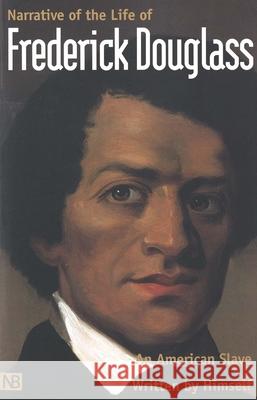
Frederick Douglass's autobiography, Narrative of the Life of Frederick Douglass, An American Slave, is widely regarded as a classic of American nineteenth-century history, of African-American studies, and of literature. In 1845, just seven years after his escape from slavery, the young Douglass published this powerful account of his life as a slave and his triumph over oppression. The book, which marked the beginning of Douglass's career as an impassioned writer, journalist, and orator for the abolitionist cause, reveals the terrors he faced as a slave, the brutalities of his owners...
Frederick Douglass's autobiography, Narrative of the Life of Frederick Douglass, An American Slave, is widely regarded as a classic of American...
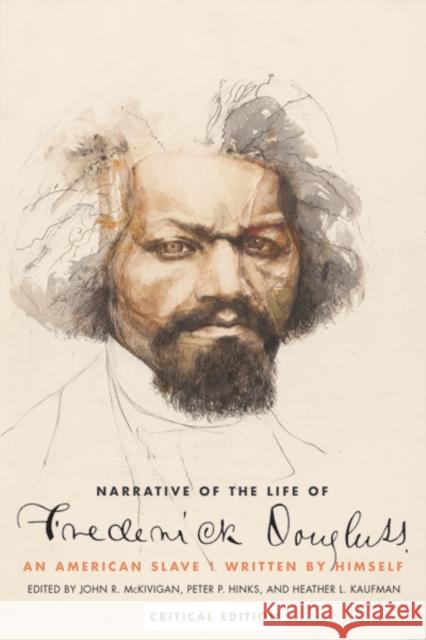
Frederick Douglass John R. McKivigan Peter P. Hinks
A new edition of one of the most influential literary documents in American and African American history
Ideal for coursework in American and African American history, this revised edition of Frederick Douglass's memoir of his life as a slave in pre-Civil War Maryland incorporates a wide range of supplemental materials to enhance students' understanding of slavery, abolitionism, and the role of race in American society. Offering readers a new appreciation of Douglass's world, it includes documents relating to the slave narrative genre and to the later career of an essential...
A new edition of one of the most influential literary documents in American and African American history
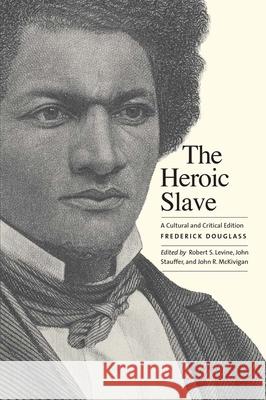
First published nearly a decade prior to the Civil War, The Heroic Slave is the only fictional work by abolitionist, orator, author, and social reformer Frederick Douglass, himself a former slave. It is inspired by the true story of Madison Washington, who, along with eighteen others, took control of the slave ship Creole in November 1841 and sailed it to Nassau in the British colony of the Bahamas, where they could live free. This new critical edition, ideal for classroom use, includes the full text of Douglass's fictional recounting of the most successful slave revolt in...
First published nearly a decade prior to the Civil War, The Heroic Slave is the only fictional work by abolitionist, orator, author, and social...
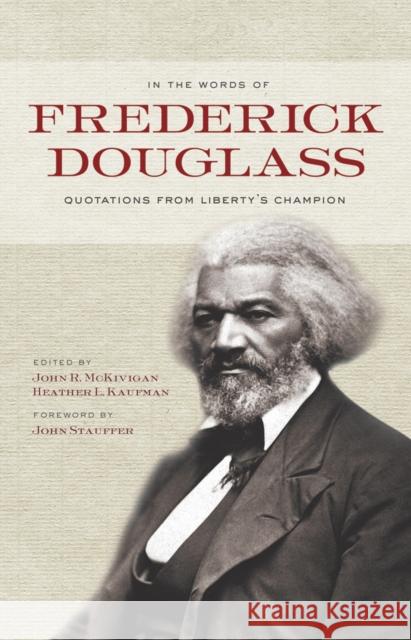
"No people are more talked about and no people seem more imperfectly understood. Those who see us every day seem not to know us." Frederick Douglass on African Americans
"There is no negro problem. The problem is whether the American people have loyalty enough, honor enough, patriotism enough, to live up to their own constitution." on civil rights
"Woman should have justice as well as praise, and if she is to dispense with either, she can better afford to part with the latter than the former." on women
"The thing worse than rebellion is the thing that causes rebellion."...
"No people are more talked about and no people seem more imperfectly understood. Those who see us every day seem not to know us." Frederick Dougla...
Historians present 10 essays on violent action in the US against the institution of slavery and its defenders during the 60 years before the Civil War. Their characters include southern slave rebels, antislavery women in Kansas, violent slave rescuers in Ohio, and northern anti-slavery politicians. They show how the violence helped unite black and white enemies of slavery and how antebellum concepts of gender played a role in justifying and participating in violence.
Historians present 10 essays on violent action in the US against the institution of slavery and its defenders during the 60 years before the Civil War...
Frederick Douglass Leslie Webster John R. McKivigan
This is the first new introduction to Anglo-Saxon art in twenty-five years and the first book to take account of the 2009 discovery of the Staffordshire Hoard the largest cache of Anglo-Saxon gold and silver metalwork yet found. Written by one of the leading scholars in the field and illustrated with many of the most impressive artifacts, it will be the authoritative book on the subject for years to come.
The Anglo-Saxon period in England, roughly A.D. 400 1100, was a time of extraordinary and profound cultural transformation, culminating in a dramatic shift from a barbarian society...
This is the first new introduction to Anglo-Saxon art in twenty-five years and the first book to take account of the 2009 discovery of the Stafford...
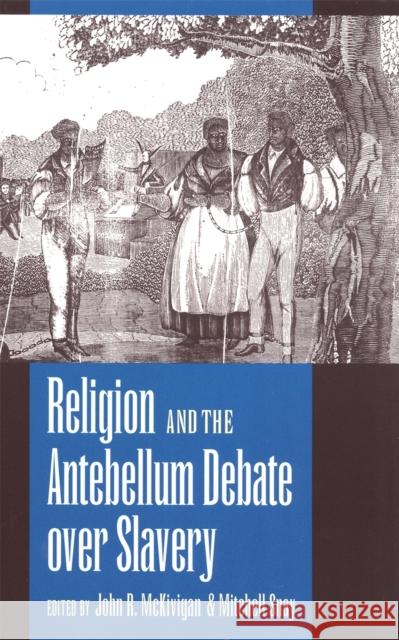
This anthology of original essays by historians explores the religious dimensions of the antebellum sectional conflict over slavery. Covering such familiar topics as the proslavery argument and denominational schisms, these essays emphasize the diversity that existed within regions, states, and denominations; the importance of local factors in shaping responses to the slavery controversy; and the powerful pulls toward moderation and unity that existed within the institutional church. Drawing on the recent flowering of scholarship on religion, the essays collected here provide a variety of new...
This anthology of original essays by historians explores the religious dimensions of the antebellum sectional conflict over slavery. Covering such fam...
"This fine book has two central themes developed in tandem, more or less chronologically. One is the effort of abolitionists to covert clergymen and church people of the North to their cause. The other is the quarrel among leaders of these churches over endorsement of abolitionist goals such as the denunciation of slaveholding as a sin against God and the cessation of Christian fellowship with congregations including slaveholders." American Historical Review
"
"This fine book has two central themes developed in tandem, more or less chronologically. One is the effort of abolitionists to covert clergymen an...
These essays demonstrate that support for a more aggressive battle against slavery had been growing for a number of decades before finding broad support among abolitionists in the 1850s. Ultimately the political and more militant wings of abolitionism converged after the start of the Civil War, when abolitionists worked to prod Abraham Lincoln into enlisting blacks in the Union army and adopting emancipation as one of the North's war goals.
These essays demonstrate that support for a more aggressive battle against slavery had been growing for a number of decades before finding broad suppo...