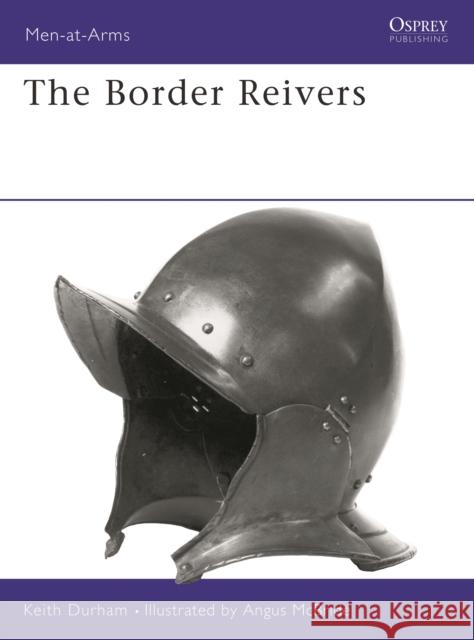
From the 13th century until early in the 17th century, the Border Marches of England and Scotland were torn by a vicious and almost continuous cycle of raid, reprisal and blood feud. The Border Reiver was a professional cattle thief, a guerilla soldier skilled at raiding, tracking and ambush, and a well organized "gangster." Including eight superb full page color plates by Angus McBride, as well as numerous other illustrations, this text by Keith Durham explores the colorful history of these remarkable people.
From the 13th century until early in the 17th century, the Border Marches of England and Scotland were torn by a vicious and almost continuous cycle o...
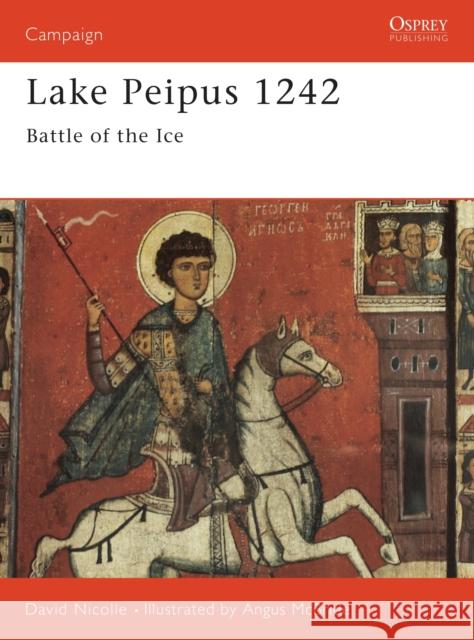
Osprey's Campaign title for The battle of Lake Peipus, which took place in 1242 between the Teutonic Knights and the Russian city-state of Novgorod, led by its inspirational leader Alexandre Nevskii. The Teutonic Knights were a powerful military order, backed with the crusading zeal of Europe, the blessing of the Pope and the support of the Holy Roman Emperor. This battle, although little-known in the west, was important in the history of the medieval eastern crusades, the Teutonic defeat having a serious effect on future events. David Nicolle's excellent text examines the Crusade against...
Osprey's Campaign title for The battle of Lake Peipus, which took place in 1242 between the Teutonic Knights and the Russian city-state of Novgorod, l...
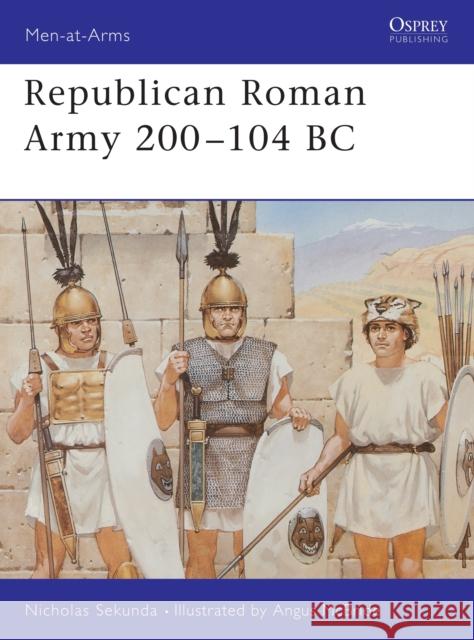
The principal source of information on the Roman Republican Army is the sixth book of the Histories of the Greek historian Polybius, written a little before 150BC. This engaging text by Nicholas Sekunda draws heavily on this vital source to outline the equipment and organisation of the Roman Republican Army from 200-104 BC - a time when Rome was growing from a regional to a world power. With plenty of photographs and illustrations, including eight vivid full page colour plates by Angus McBride, this fascinating volume examines such topics as the Roman shield, helmets, the cuirass, greaves,...
The principal source of information on the Roman Republican Army is the sixth book of the Histories of the Greek historian Polybius, written a little ...
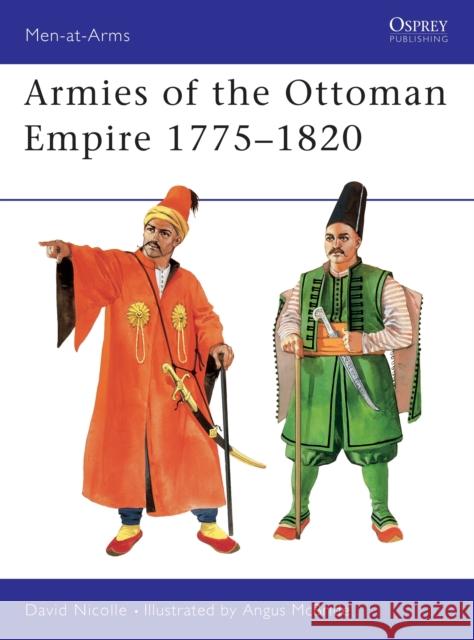
At the close of the 18th century the Ottoman Empire still had huge military potential. It was a complex structure of military provinces, autonomous regions and virtually independent 'regencies'. The Ottoman Empire had a larger population than its land could actually support which resulted in bloated cities, migration to under-populated mountainous areas, widespread banditry and piracy. It also meant that Ottoman armies had a ready pool of military manpower. With numerous illustrations, including eight full page colour artworkss by Angus Mcbride, this fascinating text by David Nicolle explores...
At the close of the 18th century the Ottoman Empire still had huge military potential. It was a complex structure of military provinces, autonomous re...
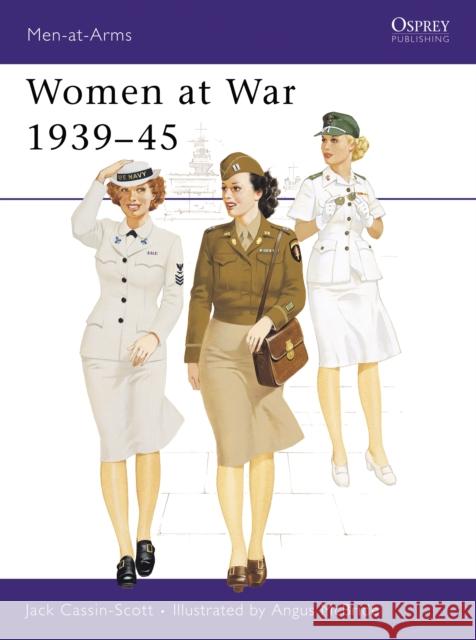
Though for centuries fighting was considered primarily a man's job, the world wars of the 20th century demanded women's involvement in the war effort. By World War II women were playing a major auxiliary role in all branches of the armed forces. From the daring female fighter pilots of besieged Russia to the heroic American nurses on the front line, this book looks at the vital jobs that women undertook at a time of national crisis. Numerous fascinating photos and eight full colour plates detail the uniforms and equipment of the British, American German and Russian women who participated in...
Though for centuries fighting was considered primarily a man's job, the world wars of the 20th century demanded women's involvement in the war effort....
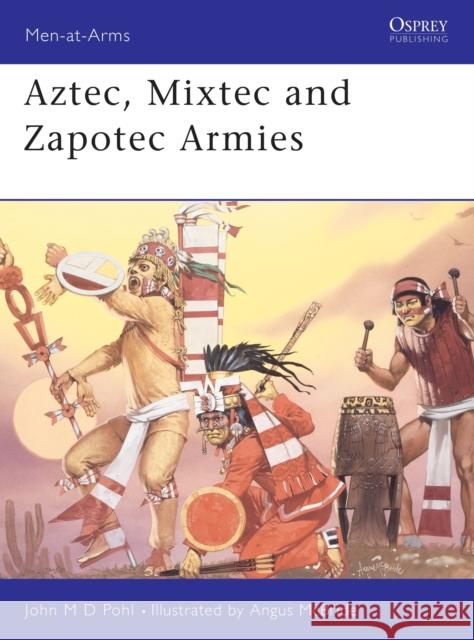
Around AD 1450 a new Mexican nation emerged called the Aztec Empire of the Triple Alliance. They succeeded in making themselves the most powerful and feared civilisation in the Americas. The Mixtec and Zapotec peoples were contemporaries of the Aztec nations, and both formed alliances and fought many wars against them. With Angus McBride's usual quality artwork on eight full page colour plates, plus plenty of other illustrations from various sources, this work by John Pohl investigates the history, uniforms and weaponry of Aztec, Mixtec and Zapotec armies.
Around AD 1450 a new Mexican nation emerged called the Aztec Empire of the Triple Alliance. They succeeded in making themselves the most powerful and ...