In this intriguing discussion of Paul's first letter to the Corinthians, Dale Martin contends that Paul's various disagreements with the Corinthians were the result of a fundamental conflict over the ideological construction of the human body. According to Martin, most Corinthian Christians and Paul himself saw the body as an entity that could be permeated by different pollutions. Other members of the Corinthian church, however, viewed the body as hierarchical--as a microcosm of the universe--and were not particularly concerned about body boundaries or pollution. These differing views of...
In this intriguing discussion of Paul's first letter to the Corinthians, Dale Martin contends that Paul's various disagreements with the Corinthians w...
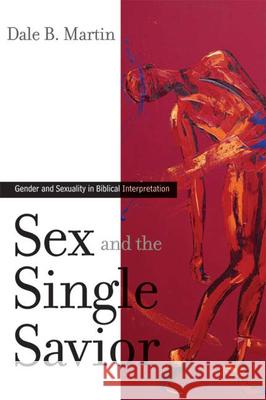
Probing into numerous questions about gender and sexuality, Dale Martin delves into the biblical texts anew and unearths surprising findings. Avoiding preconceptions about ancient sexuality, he explores the ethics of desire and marriage and pays careful attention to the original meanings of words, especially those used as evidence of Paul's opposition to homosexuality. For example, after a remarkably faithful reading of the scriptural texts, Martin concludes that our contemporary obsession with marriage--and the whole search for the "right" sexual relationships--is antithetical to the...
Probing into numerous questions about gender and sexuality, Dale Martin delves into the biblical texts anew and unearths surprising findings. Avoid...
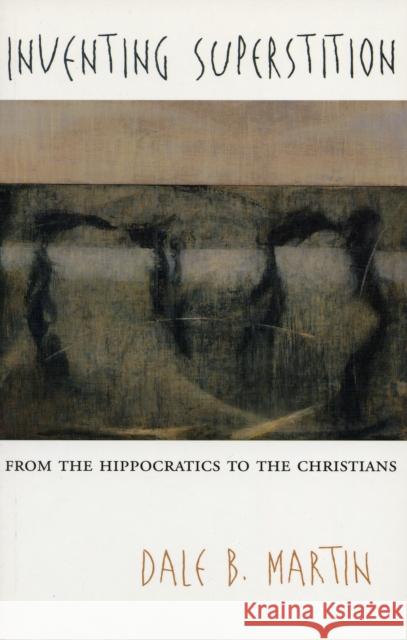
The Roman author Pliny the Younger characterizes Christianity as "contagious superstition"; two centuries later the Christian writer Eusebius vigorously denounces Greek and Roman religions as vain and impotent "superstitions." The term of abuse is the same, yet the two writers suggest entirely different things by "superstition."
Dale Martin provides the first detailed genealogy of the idea of superstition, its history over eight centuries, from classical Greece to the Christianized Roman Empire of the fourth century C.E. With illuminating reference to the writings of philosophers,...
The Roman author Pliny the Younger characterizes Christianity as "contagious superstition"; two centuries later the Christian writer Eusebius vigor...
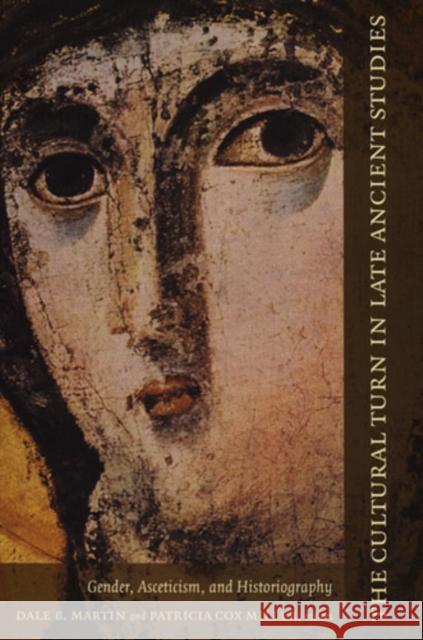
The essays in this provocative collection exemplify the innovations that have characterized the relatively new field of late ancient studies. Focused on civilizations clustered mainly around the Mediterranean and covering the period between roughly 100 and 700 CE, scholars in this field have brought history and cultural studies to bear on theology and religious studies. They have adopted the methods of the social sciences and humanities--particularly those of sociology, cultural anthropology, and literary criticism. By emphasizing cultural and social history and considerations of gender and...
The essays in this provocative collection exemplify the innovations that have characterized the relatively new field of late ancient studies. Focused ...
For generations, most seminary teaching of the Bible has focused on the historical-critical method. While this method has been the standard in almost every seminary curriculum, the effects of this approach to Scripture have hardly been examined. From examining the biblical studies courses at ten different seminaries and divinity schools, Dale Martin learned what faculties were doing and what students were hearing. This book presents his discoveries, offering the best-ever inside look at the teaching of the Bible for ministry.
Going beyond mere description, Martin argues for a new...
For generations, most seminary teaching of the Bible has focused on the historical-critical method. While this method has been the standard in almo...