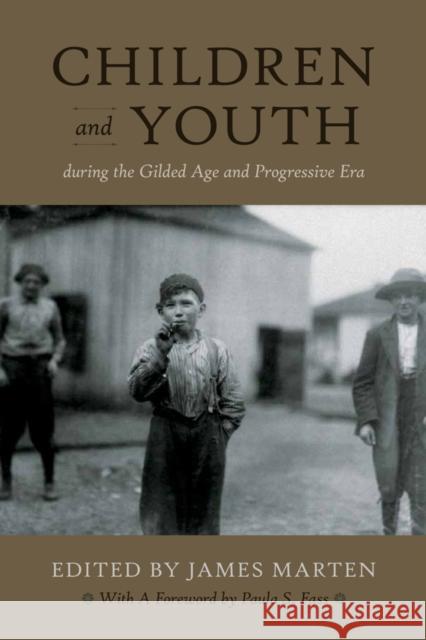
In the decades after the Civil War, urbanization, industrialization, and immigration marked the start of the Gilded Age, a period of rapid economic growth but also social upheaval. Reformers responded to the social and economic chaos with a -search for order, - as famously described by historian Robert Wiebe. Most reformers agreed that one of the nation's top priorities should be its children and youth, who, they believed, suffered more from the disorder plaguing the rapidly growing nation than any other group. Children and Youth during the Gilded Age and Progressive Era explores...
In the decades after the Civil War, urbanization, industrialization, and immigration marked the start of the Gilded Age, a period of rapid economic gr...
After the Civil War, white Confederate and Union army veterans reentered--or struggled to reenter--the lives and communities they had left behind. In Sing Not War, James Marten explores how the nineteenth century's "Greatest Generation" attempted to blend back into society and how their experiences were treated by nonveterans.
Many soldiers, Marten reveals, had a much harder time reintegrating into their communities and returning to their civilian lives than has been previously understood. Although Civil War veterans were generally well taken care of during the Gilded Age,...
After the Civil War, white Confederate and Union army veterans reentered--or struggled to reenter--the lives and communities they had left behind. In ...