-The early history of New York is obscured in myth, - observed the pseudonymous author of -The Story of Manhattankind- in the first issue of The New Yorker (21 February 1925), -and to separate the purely historical from the purely hysterical is no easy task.-
The same must be said of the magazine itself. The purely historical remained hidden until The New Yorker's archives were opened to scholars in the mid-nineties, although the hysterical--pure and otherwise--dominates the anecdotes in memoirs of some of the magazine's original staff members.
Late in 1924 Harold Ross...
-The early history of New York is obscured in myth, - observed the pseudonymous author of -The Story of Manhattankind- in the first issue of The...
Notions of Middle America abound within the American mindset, yet often forgotten are the manifold cultural elements found in the American Midwest. One encounters Native American ceremonial mounds as well as landmark creations from the Chicago School of Architecture. Old World European influences and northern border culture have helped shaped language and lore in Minnesota and Michigan's U.P., while the ragtime, jazz, and blues scenes in Missouri testify to the effects of the Great Migration and the Mississippi River. The Midwest--host to the 1893 World's Columbia Exposition and the 1904...
Notions of Middle America abound within the American mindset, yet often forgotten are the manifold cultural elements found in the American Midwest....
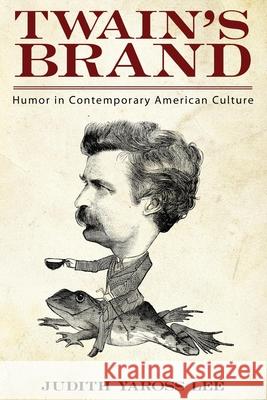
Samuel L. Clemens lost the 1882 lawsuit declaring his exclusive right to use -Mark Twain- as a commercial trademark, but he succeeded in the marketplace, where synergy among his comic journalism, live performances, authorship, and entrepreneurship made -Mark Twain- the premier national and international brand of American humor in his day. And so it remains in ours, because Mark Twain's humor not only expressed views of self and society well ahead of its time, but also anticipated ways in which humor and culture coalesce in today's postindustrial information economy--the global trade in...
Samuel L. Clemens lost the 1882 lawsuit declaring his exclusive right to use -Mark Twain- as a commercial trademark, but he succeeded in the market...
Samuel L. Clemens lost the 1882 lawsuit declaring his exclusive right to use -Mark Twain- as a commercial trademark, but he succeeded in the marketplace, where synergy among his comic journalism, live performances, authorship, and entrepreneurship made -Mark Twain- the premier national and international brand of American humor in his day. And so it remains in ours, because Mark Twain's humor not only expressed views of self and society well ahead of its time, but also anticipated ways in which humor and culture coalesce in today's postindustrial information economy--the global trade in...
Samuel L. Clemens lost the 1882 lawsuit declaring his exclusive right to use -Mark Twain- as a commercial trademark, but he succeeded in the market...