In 1905, the University of Kansas School of Medicine opened in the basement of a building in downtown Kansas City, Kansas. By 1991 it occupied 2.3 million square feet of space in Kansas City and many thousands more in Wichita and area health education centers; it had an annual budget of over $235 million and a staff of over 5,000. A lot has happened in the last eighty-seven years. In 385 black-and-white photographs, historians Lawrence Larsen and Nancy Hulston portray the tremendous changes that have taken place and illustrate a story of dramatic institutional growth from the humblest...
In 1905, the University of Kansas School of Medicine opened in the basement of a building in downtown Kansas City, Kansas. By 1991 it occupied 2.3 mil...
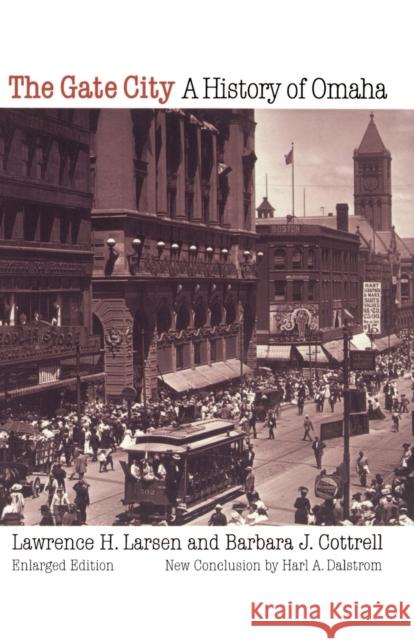
Presents the urban biography of Omaha. This book describes the building of the transcontinental railroad, the penetration of the Great Plains by homesteaders, the establishment of the meat packing industry, and the creation of an elaborate national defense system.
Presents the urban biography of Omaha. This book describes the building of the transcontinental railroad, the penetration of the Great Plains by homes...
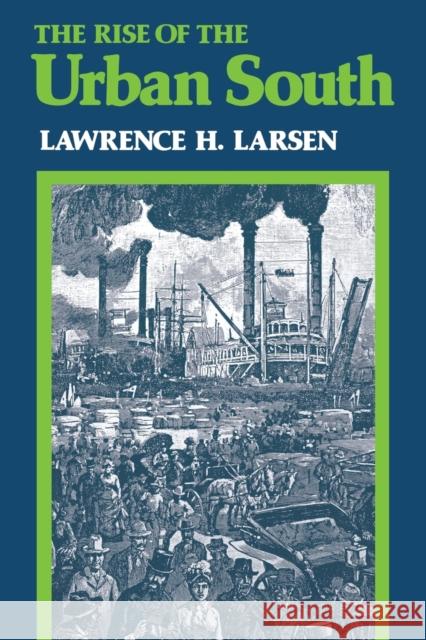
Operating under an outmoded system of urban development and faced by the vicissitudes of the Civil War and Reconstruction, southerners in the nineteenth century built a network of cities that met the needs of their society. In this pioneering exploration of that intricate story, Lawrence H. Larsen shows that in the antebellum period, southern entrepreneurs built cities in layers to facilitate the movement of cotton. First came the colonial cities, followed by those of the piedmont, the New West, the Gulf Coast, and the interior. By the Civil War, cotton could move by a combination of road,...
Operating under an outmoded system of urban development and faced by the vicissitudes of the Civil War and Reconstruction, southerners in the ninet...